


Daily canine feeding routines often focus heavily on complete kibble or canned meals, but supplemental rewards frequently make up a substantial part of a dog’s daily energy intake. Pet parents frequently wonder what are healthy snacks for dogs when balancing obedience training against proper weight management. Finding the right balance requires evaluating ingredient lists, understanding calorie density, and respecting the foundational nutritional principle that treats must complement rather than unbalance primary daily meals.
While many commercial treats pack excess sugars and ambiguous animal fats, healthier alternatives focus on wholesome proteins, dietary fiber, and minimal processing. Integrating safe whole foods, such as crunchy vegetables or fresh green beans for dogs, alongside vetted commercial biscuits ensures your companion gets engaging textures without excessive calories. Reviewing transparent product specifications allows owners to reward positive behavior confidently while protecting their dog’s long-term digestive and metabolic health.


Pros
- Wholesome recipe featuring real salmon and nutrient-dense bone broth as primary ingredients
- Free from common low-grade fillers like corn, wheat, soy, and artificial additives
- Fortified with functional superfoods including pumpkin, chia seeds, and real blueberries
- Crisp oven-baked texture provides satisfying chew time and light mechanical teeth cleaning
Cons
- Firm crunch may require breaking into smaller pieces for toy breeds or dogs with sensitive teeth
- Distinct salmon aroma may be noticeable to owners who are sensitive to fish scents
- Larger biscuit profile is less suited for rapid-fire obedience training sessions
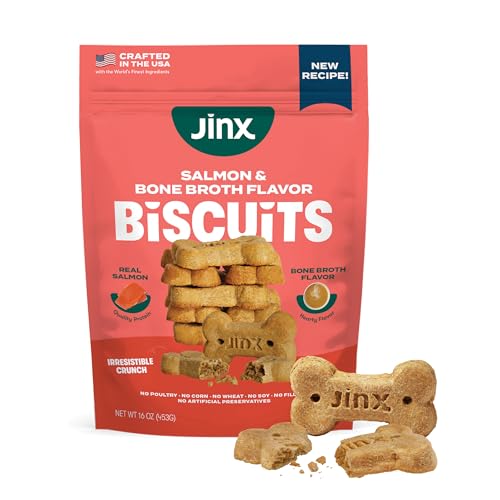
Jinx Oven-Baked Salmon Bone Broth Dog Biscuits are premium, crunchy baked treats created to provide dogs with high-quality nutrition without the filler ingredients common in conventional dog snacks. Designed for pet parents seeking clean labels, this recipe focuses on real animal protein paired with restorative bone broth. Whether you are stocking the treat jar for a new rescue pup, reinforcing good manners after an outdoor adventure, or managing snack time across a busy multi-dog household, these biscuits offer a wholesome, nutrient-packed option.
The formulation highlights real salmon and bone broth as foundational ingredients, giving each biscuit a naturally enticing flavor profile. Beyond basic protein, Jinx incorporates a blend of functional superfoods, including pumpkin for digestive regularity, chia seeds for essential fatty acids, and antioxidant-rich apples and blueberries. With zero corn, wheat, soy, or synthetic preservatives, the treats cater nicely to dogs prone to mild food sensitivities or upset stomachs from overly processed snacks.
In everyday use, the oven-baked golden texture delivers a hearty crunch that dogs find immediately rewarding. This crisp density encourages deliberate chewing rather than instant swallowing, offering mild dental stimulation as dogs break the biscuit down. For owners working on crate comfort, managing porch-barking triggers, or celebrating a successful potty break, the distinct aroma and satisfying texture make these biscuits an effective high-value motivator.
Practicality is another strong point for daily household routines. The biscuits handle cleanly without leaving greasy residue on your fingers or treat pouches, making them easy to keep near the leash hook or in your pocket on neighborhood walks. The 16-ounce bag provides ample volume for everyday treat routines, offering strong overall value for budget-conscious families who do not want to sacrifice ingredient standards.
Pet parents should keep a few practical considerations in mind depending on their dog's size and dental health. Because these biscuits are oven-baked to a firm crispness, toy breeds or senior dogs with fragile teeth may benefit from having them broken in half before serving. Additionally, their larger size makes them better suited for standalone rewards rather than rapid clicker training. For general daily rewarding, Jinx delivers a delicious, nutrient-dense biscuit that supports your dog's overall wellness.
These biscuits go beyond basic snacking by incorporating functional whole foods that support daily vitality. The inclusion of bone broth brings natural collagen, amino acids, and minerals that help nourish joint flexibility and gut health across all life stages.
Superfoods like pumpkin and chia seeds provide soluble and insoluble fiber to promote smooth digestion and firm stools, while blueberries and apples supply cell-protecting antioxidants. Because the recipe excludes common allergens like soy, corn, and wheat, it offers a gentle reward option for dogs needing clean, unclouded nutrition.
Pros
- Simple five-ingredient recipe makes it easy to avoid common canine food allergens like poultry and gluten
- Pumpkin and garbanzo bean flour provide gentle dietary fiber for dogs prone to loose stools or stomach upset
- Biscuits snap easily by hand, allowing owners to customize portion sizes for tiny puppies or large dogs
- Low calorie count per treat lets owners reward during obedience sessions without overfeeding
Cons
- Crunchy texture can create crumbs if loose biscuits are carried loosely inside a training pouch or pocket
- With approximately 36 treats per five-ounce bag, multi-dog households may go through a bag quickly
- May be slightly too crunchy for senior dogs with missing teeth or severe dental sensitivities unless broken down
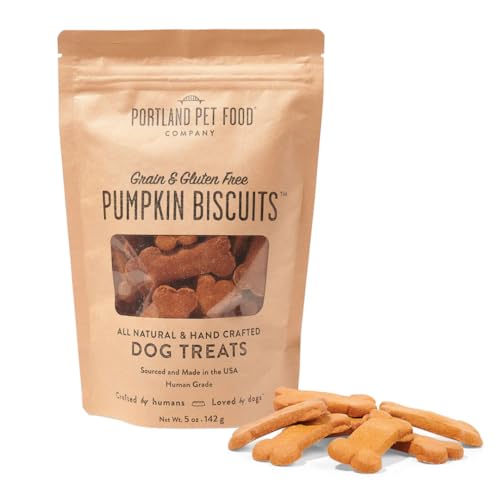
Portland Pet Food Pumpkin Dog Treats are limited-ingredient, double-baked crunchy biscuits crafted to provide a wholesome reward for dogs across every life stage. These treats are particularly well suited for new puppy parents teaching basic manners, owners caring for dogs with sensitive stomachs or food intolerances, and pet parents looking for human-grade ingredients without poultry or wheat fillers. Because the biscuits are free from animal proteins like chicken or beef, they also offer a reliable option for multi-dog households balancing varied dietary restrictions.
In terms of daily health and digestive performance, the recipe relies on real pumpkin puree to deliver dietary fiber that helps soothe sensitive tummies and promote regular digestion. Each biscuit contains roughly 12 calories, making them a sensible choice for routine obedience sessions, casual praise, or weight-conscious adult dogs. Unlike greasy or high-fat training treats, these oven-baked cookies leave minimal residue on your hands or treat pouch while still offering an appealing peanut butter and cinnamon aroma that captures a dog's attention.
The quality of the formulation stands out through its transparent, five-ingredient profile. Double-baked in small batches within the United States, the recipe combines pumpkin with Bob's Red Mill garbanzo bean flour, peanut butter, molasses, and cinnamon. The formulation avoids artificial preservatives such as BHA and BHT, and eliminates common irritants like corn, soy, gluten, dairy, and artificial colorings. The resulting biscuit holds together well in transit while maintaining a crisp texture that dogs can easily break down.
Practical daily use is straightforward thanks to the biscuit's breakable texture. While large breed dogs can happily enjoy a whole biscuit as a crunchy snack, owners of small breeds or young puppies can easily snap each cookie into two or three smaller pieces by hand. The treats come packaged in a resealable, BPA-free pouch that keeps moisture out, preserving oven-baked freshness whether stored in a kitchen pantry or stashed in a backpack during weekend trail walks.
A realistic limitation to keep in mind is that the crunchy structure can generate crumbs if treats are crushed at the bottom of a pocket or treat bag. Additionally, with roughly 36 treats per five-ounce pouch, multi-dog households or intensive training classes may burn through a single bag fairly fast. Dogs with missing teeth or severe dental pain might also require treats softened with a little warm water.
Overall, these pumpkin biscuits are a thoughtful purchase for pet parents who prioritize transparent American sourcing and straightforward digestive support. Whether you need a low-calorie reward for puppy crate training or a clean-ingredient biscuit for an allergy-prone rescue dog, this recipe provides everyday motivation without nutritional guesswork.
Formulated around simple, plant-based nutrition, these treats utilize pumpkin puree as a core ingredient to deliver soluble fiber that assists with firm stool formation and overall gastrointestinal balance. For dogs experiencing occasional digestive upset or sensitivity to rich animal proteins, the absence of chicken, beef, dairy, and eggs provides a clean, low-irritation reward.
At only 12 calories per treat, owners can comfortably manage weight control regimens while continuing to reinforce positive behaviors. Garbanzo bean flour replaces traditional wheat, offering complex carbohydrates and plant protein that break down smoothly without causing gluten-related flare-ups.
While larger crunchy biscuits are often inconvenient for training, these double-baked cookies are designed with clean snap lines. A single biscuit can quickly be divided into multiple micro-rewards, making them adaptable for quick puppy recalls, heel work, or apartment obedience drills.
The dry, oven-baked finish prevents sticky residue on fingers, pockets, or waist-pack treat dispensers. Paired with a secure zip-top pouch, these biscuits remain crisp and ready for spontaneous rewards at the dog park, during road trips, or along neighborhood walking routes.

Pros
- Pure single-ingredient formula featuring 100 percent real chicken breast
- Free from artificial preservatives, growth hormones, BHA, and BHT
- High-value aroma and texture that helps maintain dog focus during obedience training
- Gentle on sensitive puppy stomachs and dogs with complex food allergies
- Safe, digestible rawhide alternative packaged in BPA-free material
Cons
- Higher cost per ounce compared to standard grain-based biscuit treats
- Jerky strips can be firm and may require manual breaking for toy breeds or teething puppies
- Does not provide the extended chewing duration of long-lasting dental chews or bones
JustFoodForDogs Single Ingredient Chicken Breast Jerky Treats provide wholesome, human-grade nutrition in a simple snack format. Unlike conventional processed dog biscuits packed with wheat, soy, and artificial binders, these treats consist solely of dried chicken breast. The result is a clean, whole-food reward that eliminates mystery ingredients and prioritizes unadulterated lean poultry protein.
This treat formula is especially well suited for training-focused dog owners, new puppy parents working through crate and potty routines, and caregivers managing pets with sensitive stomachs or allergy flare-ups. Senior dogs requiring lean protein without excess sodium or fat can enjoy them comfortably, while dogs on strict weight management regimens benefit from their naturally low-calorie composition. Multi-dog households and apartment dwellers will also appreciate having a dependable, high-value reinforcer on hand to curb barking or reward calm indoor behavior.
In terms of training utility, the semi-crisp jerky texture strikes a practical balance between a light chew and an immediate reward. Dogs are naturally motivated by real roasted poultry aromas, making these strips effective high-value reinforcers for recall drills or focus exercises in high-distraction environments like public dog parks. Because the recipe is completely rawhide-free, it minimizes common risks of intestinal blockages and gastrointestinal upset associated with bleached or heavily processed chews.
Build quality and safety standards are reinforced by what the manufacturer leaves out. There are no artificial colorings, synthetic growth hormones, or chemical preservatives like BHA and BHT. The chicken breast is carefully dried to preserve its natural nutrients and maintain a crisp, shelf-stable texture. Additionally, the treats are sealed in BPA-free packaging designed to keep moisture out and maintain freshness when stored in a cool, dry pantry.
While the jerky can be snapped by hand, pet parents of tiny toy breeds or very young puppies may find some thicker pieces require a pair of kitchen shears to portion into micro-rewards. For dog owners seeking a transparent, clean snack to reinforce positive behavior, manage allergies, or replace risky rawhide chews, these single-ingredient chicken treats stand out as a trustworthy, practical addition to everyday dog care.
High-value rewards are vital when shaping puppy behaviors, mastering outdoor recall, or teaching leash manners around neighborhood distractions. Because these treats consist exclusively of real chicken breast, dogs typically show significantly greater focus and motivation compared to standard wheat-based biscuits.
The semi-crisp jerky strips can easily be snapped into smaller bite-sized pieces for rapid-fire clicker sessions or quick praise. The dry, non-greasy surface makes them easy to store inside a silicone treat pouch or jacket pocket without leaving sticky residue during daily walks.
Dogs dealing with sensitive digestive tracts, itchy skin, or chronic ear issues often react poorly to commercial snacks containing long ingredient lists and artificial preservatives. A single-ingredient treat greatly simplifies allergy management by eliminating common dietary irritants such as corn, soy, artificial colorings, and chemical additives.
Lean chicken breast supplies an easily digestible source of amino acids without adding unnecessary fat to your dog's daily intake. This makes the treats a reliable choice for senior dogs with slower metabolic rates or overweight dogs requiring precise calorie tracking during training.

A Practical Nutritional Guide to Healthy Dog Treats and Snacks
Determining what makes a canine treat truly beneficial begins with understanding how supplemental calories interact with daily metabolism. Commercial dog treats vary dramatically in their ingredient sourcing, caloric concentration, and manufacturing methods. A truly healthy treat delivers identifiable nutritional value, transparent labeling, and portion control without disrupting a dog’s primary nutritional intake. Pet owners can make informed choices by examining macronutrient profiles, recognizing common additive pitfalls, and matching specific treat formats to their dog’s individual lifestyle.
The Ten Percent Calorie Rule in Daily Canine Nutrition
Veterinary nutritionists consistently emphasize that treats, table scraps, and training rewards should never exceed ten percent of a dog’s total daily caloric intake. Complete and balanced commercial diets are specifically formulated to deliver all essential vitamins, minerals, and amino acids in precise ratios. When treats exceed the ten percent threshold, they dilute the nutrient density of the dog’s primary food and increase the risk of micronutrient deficiencies over time. Maintaining this strict caloric boundary safeguards metabolic balance while preventing unexpected weight gain.
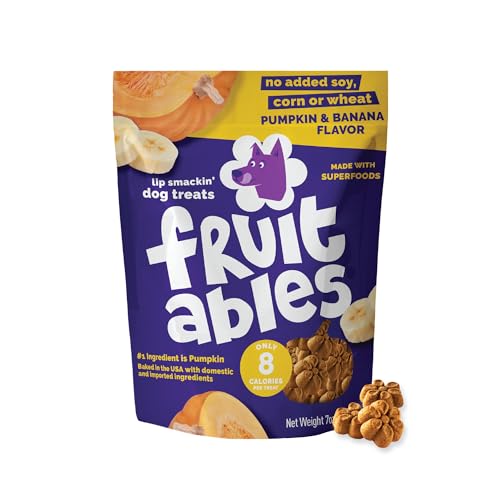
Calculating an individual dog’s treat allowance requires knowing their daily maintenance energy requirement based on age, weight, and activity level. For an average thirty-pound adult dog requiring approximately seven hundred calories daily, supplemental snacks should provide no more than seventy calories in total. Calorie-controlled options like Fruitables Baked Dog Treats provide just eight calories per treat, allowing owners to offer frequent positive reinforcement without exceeding daily energy budgets. High-calorie biscuits, conversely, can exhaust an entire daily treat allowance in just one or two dense servings.
Excess treat consumption remains one of the primary drivers of canine obesity across American households. Carrying surplus body weight places mechanical strain on joints, exacerbates mobility issues, and elevates risks for systemic metabolic complications. Regularly reviewing the calorie declarations on treat packaging helps owners account for every reward given throughout the day. When high-repetition training is necessary, breaking larger treats into smaller pieces or swapping in low-energy alternatives keeps sessions productive without compromising body condition.
Single-Protein Jerky Versus Multi-Ingredient Baked Biscuits
Treat architecture generally splits into meat-focused jerky formats and carbohydrate-based baked biscuits, each offering distinct nutritional advantages. Single-ingredient jerky products, such as Just Food for Dogs Single Ingredient Chicken Breast, deliver pure animal protein without fillers, starches, or artificial binding agents. These minimally processed rewards are especially valuable for dogs with suspected protein intolerances or complex ingredient sensitivities. Because the ingredient profile contains only dehydrated or slow-cooked meat, owners can easily isolate the protein source and avoid accidental allergen exposure.
Traditional oven-baked biscuits rely on flour bases, whole grains, or pulse legumes to create a crisp, shelf-stable texture. Products like Blue Buffalo Health Bars Bananas and Yogurt utilize whole grains alongside flaxseed to introduce dietary fiber and omega-3 fatty acids into treat time. While biscuits typically contain lower crude protein percentages than pure jerky, their crunchy consistency provides mechanical chewing satisfaction that many dogs enjoy. Oven baking in small batches also develops appealing roasted aromas without requiring heavy chemical flavorings or artificial appetite stimulants.
Choosing between single-protein chews and baked biscuits depends largely on your dog’s primary diet and digestive tolerance. Active working dogs or high-drive puppies often thrive on high-value meat jerky that commands immediate focus during demanding training exercises. Older dogs or sedentary companions may benefit more from fiber-enriched biscuits that offer lower fat concentrations and modest caloric density. Alternating between these treat styles adds sensory variety to daily routines while preventing reliance on calorie-heavy rewards.
Functional Plant Ingredients: Benefits of Pumpkin, Apples, and Superfoods
Many modern treat formulations incorporate functional plant ingredients to enhance nutritional value, promote digestive regularity, and introduce natural palatability. Real pumpkin puree stands out as one of the most widely utilized digestive aids due to its rich blend of soluble and insoluble fiber. Soluble fiber absorbs water in the gastrointestinal tract to firm loose stool, while insoluble fiber adds bulk to stimulate smooth bowel motility. Treats like Portland Pet Food Pumpkin Dog Treats leverage pumpkin alongside garbanzo bean flour to provide gentle, stomach-friendly snacking for sensitive pups.
Fruits like apples and bananas offer natural sweetness, essential vitamins, and potassium without the need for refined cane sugars, corn syrup, or molasses. Jinx Dog Biscuits enhance their oven-baked salmon bone broth formula with antioxidant-dense superfoods including blueberries, chia seeds, and pumpkin. These whole-food inclusions contribute dietary polyphenols that help support natural cellular health and immune system maintenance. When evaluating fruit-based dog snacks, owners should verify that the recipe relies on real whole fruit rather than artificial fruit syrups or synthetic flavorings.
While common orchard fruits provide wholesome nutrients, owners must always verify botanical safety before offering unfamiliar plant snacks to their pets. Certain fruits and garden berries contain toxic compounds that can trigger acute renal damage or severe gastrointestinal distress. Reviewing our guide on toxic plant and fruit risks for dogs highlights why exotic produce must be thoroughly vetted before entering a dog’s feeding routine. Sticking to proven, veterinarian-recognized produce like apples, bananas, and pumpkin ensures rewarding snacking remains completely safe.
Texture, Treat Geometry, and Effective Training Mechanics

The physical texture and size of a snack play a crucial role in behavioral reinforcement, training speed, and daily portion control. Large, hard biscuits require substantial chewing time, which interrupts the rhythm of positive reinforcement during obedience work. For fast-paced training sessions, trainers prefer bite-sized, semi-moist rewards that dogs can swallow quickly without losing focus or breaking eye contact. Matching treat texture to the activity ensures that snack time serves as a precise communication tool rather than a feeding distraction.
Innovative product designs address portion management directly through physical treat geometry. The Farmer’s Dog Snap Sticks feature pre-molded snappable grooves that allow owners to break real beef and apple sticks into tiny, low-calorie training bites. This design prevents owners from overfeeding rich animal protein while offering high-value motivation during demanding outdoor recall drills. Being able to segment a single stick into multiple micro-rewards stretches treat value and keeps caloric intake strictly within recommended daily limits.
Senior dogs and puppies also have specific anatomical requirements when it comes to snack hardness and density. Aging dogs with periodontal disease, missing teeth, or worn enamel often struggle to chew rock-hard baked bones. Semi-crisp jerky or light, double-baked cookies that snap cleanly with light pressure protect dental structures from accidental fracture. Puppies with developing deciduous teeth likewise benefit from tender textures that reward focus without irritating tender gingival tissues.
Identifying Quality Ingredients and Avoiding Unnecessary Additives
Scrutinizing treat labels requires looking beyond front-of-package marketing banners to examine the actual guaranteed analysis and ingredient deck. High-quality dog snacks prioritize clearly named animal proteins, such as deboned chicken, beef, or salmon, over generic meat by-products or ambiguous animal fat. Named meats ensure consistent amino acid profiles and verifiable sourcing standards that budget treat manufacturers frequently obscure. Avoiding vague designations like poultry meal or meat meal helps owners monitor exactly what their dogs consume.
Chemical preservatives represent another critical factor when evaluating whether a commercial dog treat supports long-term health. Synthetic antioxidants such as BHA, BHT, and ethoxyquin are frequently added to shelf-stable treats to prevent fat rancidity over long distribution cycles. Premium treat manufacturers choose natural preservation systems, utilizing mixed tocopherols (vitamin E) and rosemary extract instead of synthetic compounds. Brands like Just Food for Dogs explicitly formulate without BHA or BHT, giving conscientious pet parents peace of mind regarding chemical exposure.
Artificial food dyes and excessive humectants also serve no biological purpose in canine nutrition. Bright red, yellow, and green colorings are included entirely to appeal to human grocery shoppers, as dogs rely primarily on scent rather than visual color. Humectants like propylene glycol or excess vegetable glycerin are sometimes used to keep treats soft, but simpler formulations avoid these non-nutritive additives. Choosing snacks crafted without wheat, corn, soy, or artificial flavorings minimizes the likelihood of triggering food intolerances or digestive upsets.
Storage Methods, Shelf Life, and On-the-Go Freshness
Maintaining treat safety and nutritional integrity depends heavily on how snacks are stored after the package seal is broken. Moisture-rich jerky and semi-moist treats are naturally vulnerable to airborne mold spores and bacterial proliferation if exposed to humid air. Dry baked biscuits, on the other hand, can absorb environmental moisture, lose their crisp texture, and develop off-flavors over time. Storing commercial snacks in cool, dry pantry conditions away from direct sunlight preserves nutrient stability and prevents premature spoilage.
Packaging construction plays a significant role in protecting snacks during routine storage and outdoor travel. Products packaged in resealable, BPA-free pouches, such as Portland Pet Food biscuits, provide a convenient barrier against environmental moisture and pest infiltration. When taking treats on road trips, camping outings, or extended training workshops, relying on dedicated storage solutions is essential. Utilizing secure, airtight containers highlighted in our portable dog food storage containers guide keeps both daily kibble and high-value treats fresh and protected from moisture while away from home.
Pet owners should also practice regular inventory rotation and observe manufacturer best-by dates stamped on packaging. Natural dog treats free from harsh artificial preservatives inherently have shorter open-package shelf lives than chemically stabilized alternatives. Inspecting treats periodically for unusual odors, discoloration, or textural changes ensures that your dog never receives compromised snacks. When bulk treats are purchased, dividing them into smaller airtight containers minimizes frequent air exposure to the main supply.
Developing a Sustainable Snacking Routine and Veterinary Boundaries
Building a healthy snacking routine involves integrating treats seamlessly into your dog’s total daily nutritional framework. Rather than offering treats randomly whenever your dog begs, use snacks intentionally to reinforce calm behavior, mark obedience successes, or provide mental enrichment through puzzle toys. Deducting treat calories from your dog’s morning or evening meal rations prevents the slow, creeping weight gain that often goes unnoticed over months. This proactive caloric accounting maintains optimal body condition while preserving the rewarding power of special treats.
Monitoring your dog’s body condition score at home provides tangible feedback on whether current snack portions are appropriate. You should be able to feel your dog’s ribs easily under a light layer of fat without pressing firmly, and an obvious waistline should be visible from above. If the waistline begins to soften or the ribs become difficult to palpate, treat portions should be reduced immediately before adjusting primary meals. Regular weight checks at home or at the veterinary clinic help catch subtle weight fluctuations before they develop into chronic obesity.
Pet parents should also recognize when dietary sensitivities or underlying medical conditions require professional veterinary guidance. If a dog experiences chronic soft stool, recurrent skin irritation, or lethargy after consuming new snacks, treats should be discontinued immediately. Dogs diagnosed with systemic health conditions, such as pancreatitis, kidney disease, or diabetes, require strictly regulated nutrient parameters that ordinary commercial snacks may violate. Consulting your primary veterinarian or a board-certified veterinary nutritionist ensures that supplemental rewards align safely with your pet’s specific medical and dietary requirements.
Practical Snacking Takeaway
Selecting wholesome snacks for your dog comes down to reading labels closely, respecting caloric boundaries, and matching treat properties to your pet’s life stage. Simple formulations built with identifiable meats, wholesome fiber sources like pumpkin, and clean preservation systems provide reliable rewards without unnecessary metabolic strain. Keeping individual treat sizes small and tracking overall intake empowers you to motivate and bond with your dog while safeguarding their long-term health. With mindful selection and disciplined portioning, healthy treats can remain an enriching, guilt-free part of your dog’s daily life.


Write Your Review
No reviews yet. Be the first to share your experience!