


Choosing the right daily diet for a companion animal often brings confusion, especially with shifting veterinary alerts and commercial advertising trends. Many pet parents find themselves asking why is grain free bad for dogs after hearing cautionary reports about heart issues and ingredient controversies. Commercial packaging often advertises grain-free kibble as more natural or ancestral, but clinical veterinary research presents a far more nuanced picture. Understanding how carbohydrates, pulses, and animal proteins function together can help pet owners make informed feeding decisions.
When evaluating meal options, owners should look beyond buzzwords to examine complete formulation profiles and trusted manufacturing standards. Storing meals properly also preserves nutrient integrity, as highlighted in our travel dog food container guide for active households. By focusing on balanced amino acids, verified adequacy statements, and individualized canine needs, you can separate marketing fads from reliable nutrition.

Pros
- Soft-baked consistency is gentle on teeth, making it suitable for puppies, adult dogs, and seniors
- Grain-free recipe eliminates grain ingredients that may cause digestive upset in sensitive dogs
- Contains real sweet potato and cinnamon flavor components with no artificial fillers
- Versatile shape and texture can be offered whole or divided for puppy training sessions
Cons
- Formulated strictly for supplemental or intermittent feeding rather than as a complete daily diet
- Listing specifications do not supply a guaranteed analysis panel or calorie count per biscuit
- Single 0.81-pound bag may be used up quickly in multi-dog households
Three Dog Bakery Grain-Free Woof'ers Sweet Potato Dog Treats are soft-baked snack biscuits developed for dogs across all life stages and breed sizes. Taking inspiration from traditional baked sweet potato side dishes, these treats provide canine companions with a flavorful snack made with dog-safe ingredients. The soft-baked format caters to puppies, adult dogs, and older companions alike, offering a chewable texture that can be broken into smaller pieces during training sessions or served whole as an everyday reward.
The recipe centers on genuine sweet potato and cinnamon flavor notes while completely omitting grains, positioning it as an option for owners managing sensitive stomachs. Manufacturer details state that the formula avoids artificial additives and fillers. Because these biscuits are designed as supplemental snacks rather than a complete and balanced food, they do not replace standard daily meals. Labeled guaranteed analysis values, exact calorie content per treat, and specific AAFCO nutrient profiles are not provided in the listing data, meaning owners should feed them as intermittent treats.
In terms of physical format, the soft-baked biscuit texture provides a gentle chew that is significantly softer than standard hard-baked biscuits. This makes the treats practical for puppies learning basic cues or dogs with dental sensitivities who struggle with crunchy snacks. The product comes in an 0.81-pound package measuring 6.25 by 2 by 7.5 inches, presenting a compact footprint that fits neatly inside standard kitchen cabinets or treat jars.
When incorporating these biscuits into a daily routine, owners should monitor portions relative to the dog's overall caloric intake to prevent unwanted weight gain. While the manufacturer positions the treats for all breeds from small Chihuahuas to large Great Danes, smaller dogs benefit from treats broken into bite-sized morsels. Standard dry pantry storage in a cool, dry area helps maintain freshness and texture, ensuring the biscuits retain their soft-baked consistency.
While marketed for sensitive tummies, these grain-free treats are not a veterinary therapeutic diet and cannot diagnose, treat, or cure gastrointestinal illness or food allergies. Dogs with chronic digestive distress, pancreatitis, or specific dietary restrictions should be evaluated by a veterinarian before introducing new snacks. Additionally, owners tracking strict caloric limits should note the absence of explicit calorie-per-piece data in the product specifications.
For dog owners seeking a wholesome, grain-free treat with real sweet potato flavor and a gentle, soft-baked texture, Three Dog Bakery Woof'ers are a convenient, dog-friendly option. They serve effectively as high-value rewards for puppy training or simple feel-good snacks for dogs of any size, provided they are factored responsibly into the dog's overall daily calorie budget.
Three Dog Bakery Woof'ers feature a grain-free recipe created without common grains, which may suit dogs that experience mild digestive upset with standard grain-inclusive biscuits.
Crafted with real sweet potato and cinnamon flavor notes, these treats emphasize recognizable ingredients without artificial additives or fillers. As with any supplemental treat, they should be introduced gradually into your dog's routine.
These soft-baked biscuits can be offered whole to medium and large dogs or easily divided by hand into smaller training bits for puppies and toy breeds like Chihuahuas.
Because treats should generally make up no more than ten percent of a dog's daily caloric intake, monitor treat frequency and adjust your dog's primary meals accordingly to maintain a healthy weight.
Pros
- Single-serve 2.75-ounce cups make portion control effortless and eliminate the need for refrigerating half-empty cans.
- Real chicken and beef in a savory broth deliver a protein-rich meal that entices finicky eaters.
- Grain-free recipe formulated without corn, wheat, soy, or artificial preservatives.
- Tender meaty texture works exceptionally well for senior dogs or pups with dental discomfort.
Cons
- The 2.75-ounce portion size means large breed dogs will need multiple cups if fed as a sole meal.
- Peeling the foil seal back quickly can occasionally cause the savory broth to splatter on countertops.
- Grain-free recipes may not align with every canine dietary plan or specific veterinary guideline.
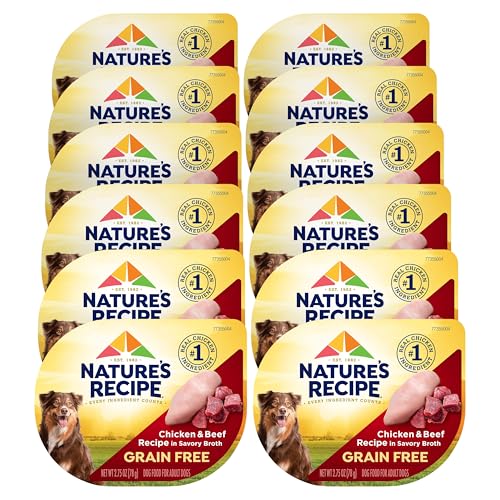
Nature's Recipe Grain Free Wet Dog Food Cups deliver a balanced meal option crafted specifically for adult canines. Each 2.75-ounce tub features real chicken as the primary ingredient combined with beef in a flavorful broth, offering a savory moisture boost to everyday meals. Because the formula excludes corn, wheat, soy, poultry by-product meal, and artificial additives, pet parents can feel confident about the everyday ingredient profile.
This wet food is uniquely suited for small breed owners, apartment dwellers, and senior dog caregivers. Small dogs benefit from the pre-portioned serving sizes, which prevent overfeeding and eliminate the hassle of half-empty cans lingering in the refrigerator. Additionally, pet parents with picky eaters or multi-dog households will appreciate its utility as an enticing kibble topper, transforming dry kibble into an aromatic feast that encourages reluctant eaters to clear their bowls.
Based on product specifications and user feedback, the savory broth contributes essential hydration, which is especially beneficial for dogs that rarely drink enough water throughout the day. The soft, tender texture makes it gentle on sensitive gums and aging teeth, ensuring older dogs can eat comfortably without struggling against dense chunks. Its rich aroma also assists owners when administering oral medications, as pills can easily be concealed within the savory meat shreds.
From a daily management standpoint, the peel-back foil lids provide notable convenience for busy mornings or outdoor travel. There is no need for can openers, spoons, or bulky storage containers, making these cups great for road trips, doggy daycare drop-offs, or camping weekends. Storage is remarkably straightforward, as the compact plastic tubs stack neatly in tight apartment pantries without occupying valuable shelf space.
While highly convenient for small dogs, owners of medium to large breeds might find these single-serving cups impractical as a sole dietary source, as larger pups would require multiple tubs per meal. For bigger dogs, utilizing these cups strictly as a meal mixer or hydration topper offers better practical value. Nature's Recipe delivers a dependable, high-protein wet food option that combines simple feeding convenience with quality nutrition for everyday canine wellness.
Small breed dogs require nutrient-dense meals tailored to their compact body size and faster metabolisms. These 2.75-ounce cups are sized appropriately to deliver accurate portions for toy and small breeds without the waste associated with standard 13-ounce cans. Owners can serve an entire cup in one sitting, keeping mealtime fresh and avoiding smelly refrigerated leftovers.
The tender shred consistency suspended in broth is also sized appropriately for smaller jaws. Dogs that struggle with large, hard kibble or dense loaf-style wet food can lap up this savory recipe easily, making daily dining a comfortable and stress-free experience.
Proper hydration is a cornerstone of urinary tract health and overall vitality in adult dogs. Many canines do not consume sufficient water from their bowls alone, making moisture-rich wet food an excellent way to maintain fluid balance. The broth-based recipe naturally infuses moisture into the daily diet during regular meal times.
In addition to hydration, the recipe provides quality lean protein from real chicken to support muscle maintenance and energy levels. With added essential vitamins and minerals and zero artificial fillers, it provides wholesome daily nourishment that supports healthy digestion and coat appearance.

Pros
- Formulated with six primary natural ingredients without grains, artificial preservatives, or artificial colors
- Functional alligator design features paw-grip contours and deep grooves to clean between teeth mechanically
- Sized precisely for medium adult dogs weighing 25 to 40 pounds for targeted daily oral care
- Straightforward daily feeding routine requiring just one chew per day
Cons
- Strictly sized for dogs between 25 and 40 pounds, making it unsuitable for puppies, toy breeds, or large dogs
- Intended solely for intermittent or supplemental dental chewing rather than complete and balanced nutrition
- The 12-count bag provides less than a two-week supply when following the recommended once-daily feeding routine
Whimzees Alligator Natural Dental Chews are specialized daily dental treats crafted specifically for medium adult dogs weighing between 25 and 40 pounds. Positioned in the canine dental care category, these chews provide an engaging, edible chewing experience engineered to maintain daily oral cleanliness. For dog owners looking for a low-fuss way to support their pet's dental hygiene between professional vet visits, this 12.7-ounce bag containing 12 medium chews offers a targeted, routine-friendly option.
The formula emphasizes a simple, plant-based profile built around six primary all-natural ingredients, without any added grains, artificial colors, artificial flavors, or chemical preservatives. Because the recipe excludes grains and artificial additives, it serves as a viable option for adult dogs with sensitive digestive systems or specific dietary allergies. As a dental treat, it is formulated for intermittent or supplemental feeding rather than as a complete and balanced diet, meaning it should complement your dog's regular meals rather than displace essential daily calories.
Physical structure is central to the effectiveness of these treats. The alligator shape is functional rather than purely novelty; the body incorporates specialized hollows and contours that allow medium dogs to steady the treat comfortably between their front paws. Raised bumps along the back and deep ridges around the snout work into the tight spaces between teeth as the dog chews. This persistent mechanical chewing action scrubs against tooth surfaces to help disrupt plaque, minimize tartar accumulation, and freshen breath naturally.
Feeding directions are simple: adult dogs in the 25 to 40-pound range receive one alligator chew per day. Maintaining this daily rhythm allows the mechanical friction to consistently address the four main areas vets evaluate: plaque, tartar, gum condition, and breath odor. The 12.7-ounce bag measures 3.5 by 7 by 10.8 inches, fitting easily on a standard pantry shelf. However, households with multiple dogs or owners planning a continuous monthly routine will need to purchase multiple bags, as a single package provides 12 days of feeding for one medium dog.
While daily mechanical chewing offers measurable oral hygiene support, it does not replace routine veterinary dental examinations or professional cleanings when advanced periodontal issues exist. Additionally, the medium size is specifically calibrated for dogs weighing 25 to 40 pounds. Giving these to smaller dogs could pose a chewing challenge or caloric excess, while offering them to larger dogs poses a potential gulping or choking hazard. The chews are also formulated strictly for adult dogs and should not be offered to puppies whose teeth and jaws are still developing.
For owners of medium-sized adult dogs seeking a reliable, grain-free dental treat to complement routine oral care, the Whimzees Alligator 12-Count Bag is a sensible, well-designed choice. Its limited-ingredient formulation avoids common grain sensitivities, and the specialized paw-grip design helps dogs thoroughly work the chew across their teeth. As long as your dog fits the 25 to 40-pound weight window, this daily dental chew delivers practical oral maintenance in a fun, manageable format.
Whimzees recommends feeding one Alligator dental chew daily to adult dogs weighing between 25 and 40 pounds. Establishing a consistent daily chewing routine, such as after breakfast or during a quiet afternoon period, helps maintain continuous mechanical friction against teeth to manage plaque and freshen breath.
Always supervise your dog while they consume dental chews to ensure they chew thoroughly rather than attempting to swallow large sections whole. Clean, fresh drinking water should always be accessible before, during, and after treat time.
The Whimzees Alligator chew features an all-natural recipe crafted with six primary ingredients and is completely free of grains, artificial colors, artificial flavors, and synthetic preservatives. This streamlined ingredient list makes it an appealing choice for dogs with dietary sensitivities.
Its distinct alligator geometry serves a functional purpose: deep grooves and raised ridges clean tight gaps between teeth as the dog chews, while specialized paw contours allow the dog to anchor the treat firmly to maximize contact time and scrubbing action.

Pros
- Functional grooved shape provides mechanical scrubbing action to support clean teeth and fresh breath
- Clean formulation built on six primary ingredients with zero grains or artificial additives
- Paw-friendly ergonomic contours make it easier for medium dogs to manipulate while chewing
- Clear manufacturer sizing and daily serving guidance tailored to adult dogs 25 to 40 pounds
Cons
- Restricted to adult dogs in the 25-to-40-pound range, excluding puppies, small dogs, and larger breeds
- Serves as an intermittent dental chew rather than a complete and balanced nutritional source
- A 14-count bag only covers two weeks of daily use for a single dog
Whimzees Medium Stix Natural Dog Dental Treats are designed as a functional daily chew for medium-sized adult dogs. Rather than serving as a primary meal or complete food, these chews function as a targeted oral care supplement. Sized for adult dogs weighing between 25 and 40 pounds, the 14.81-ounce package contains 14 individual sticks, making it an accessible option for pet owners looking to establish an everyday dental hygiene routine without adding complex steps to their feeding schedule.
From a formula standpoint, Whimzees emphasizes a simple composition made with six primary ingredients. The recipe contains no grains, artificial colors, artificial flavors, or chemical preservatives. Because grains are excluded, these dental sticks provide a practical option for dogs with specific food intolerances or sensitive digestive systems that require limited ingredient profiles. The manufacturer notes that the vegetable-colored chews are crafted to address four key areas routinely inspected during physical exams: breath freshness, tartar buildup, plaque accumulation, and gum condition.
The structural format of the Stix plays a central role in their functional quality. Whimzees utilizes an intentional geometric design with ridges and grooves rather than a smooth exterior. As a dog chews, this textured surface creates mechanical friction against the tooth enamel and along the gumline, physically working away buildup and reaching into tighter gaps between teeth. Additionally, the contours and hollowed spaces are shaped so a medium-sized dog can easily anchor the stick between its paws, preventing awkward slippage and encouraging thorough, focused chewing.
Daily feeding recommendations from the manufacturer indicate serving one Whimzees Stix per day to an adult dog within the specified 25-to-40-pound weight bracket. Because these are supplemental chews, they should be incorporated into the dog's overall daily calorie intake rather than treated as a zero-calorie item. The 14-count package delivers exactly two weeks of daily dental maintenance for one medium dog. Pet owners should always provide fresh water and supervise their dogs while chewing to ensure safe consumption and avoid rapid swallowing of large pieces.
There are clear boundaries to consider with this product. The medium sizing is tailored strictly to adult dogs in the 25-to-40-pound range, meaning these chews are not appropriate for puppies, toy breeds, or dogs exceeding 40 pounds where choking hazards or improper chewing could arise. Furthermore, while the mechanical action assists in reducing everyday plaque and tartar accumulation, dental chews do not replace professional veterinary cleanings or treat existing periodontal infections and tooth decay. The bag size also requires regular replenishment for multi-dog households or long-term daily routines.
Overall, Whimzees Medium Stix offer a practical, well-structured dental solution for adult dogs in the medium weight category. With an all-natural, grain-free recipe and an ergonomic shape optimized for chewing mechanics, they deliver dependable supplemental dental support for pet owners seeking clean ingredients and straightforward daily oral care.
Whimzees Stix are formulated around a minimalist approach, relying on six primary all-natural ingredients to form their chewable structure. The recipe avoids artificial additives, synthetic flavor enhancers, chemical preservatives, and artificial dyes, utilizing natural vegetable coloring instead.
The formula is entirely grain-free, making it an appropriate choice for households managing known grain sensitivities or owners choosing grain-free feeding regimens. Because the ingredient profile is kept tight, it minimizes exposure to common fillers while maintaining the structural rigidity necessary to provide mechanical cleaning action during chewing.
These medium dental sticks are explicitly intended for adult dogs weighing between 25 and 40 pounds. The manufacturer specifies a feeding frequency of one stick per day to achieve consistent mechanical cleaning benefits across breath, tartar, plaque, and gum maintenance.
This product is categorized as a supplemental chew and is not formulated to meet complete and balanced daily nutritional standards. It should not be fed to puppies under adult maturity or dogs outside the designated weight category. Owners should always observe their dog during chew sessions and ensure access to clean drinking water.

Pros
- VOHC accepted for verified plaque and tartar reduction when fed once daily
- Meat-free, gluten-free, and grain-free composition suits dogs with common animal-protein allergies or dietary sensitivities
- Low-fat recipe helps support daily dental care without adding excessive dietary fat
- Rigid, textured design mechanically cleans teeth and stimulates gums during chewing
Cons
- Calibrated strictly for adult dogs between 40 and 60 pounds, making it unsuitable for puppies, toy breeds, or giant dogs
- Intended solely for supplemental feeding and cannot replace a complete and balanced daily diet
- Requires direct owner supervision and access to water to prevent potential gulping or choking hazards
Whimzees Large Natural Dental Chews are specialized canine dental treats engineered to support everyday oral hygiene in adult dogs weighing between 40 and 60 pounds. Packaged in a 50.9-ounce value box containing 24 individual chews, this product provides an accessible, non-prescription approach to home dental maintenance. It targets four critical areas that veterinarians routinely evaluate during oral examinations: plaque buildup, tartar accumulation, gum stimulation, and breath freshness.
The formulation stands out due to its entirely vegetarian and grain-free profile. Crafted without meat, gluten, artificial flavors, colors, or artificial preservatives, these chews offer an alternative for dogs experiencing adverse reactions to traditional animal proteins such as chicken or beef. The recipe is also low in fat and includes dietary fiber to encourage smooth digestive transit, alongside supplemental vitamins and antioxidants to support general vitality.
From a functional standpoint, the physical geometry and firmness of each chew play a crucial role. The ridges and grooves are molded to work mechanically against tooth enamel and the gumline as the dog gnaws, disrupting soft plaque before it calcifies into stubborn tartar. This mechanical cleaning action earned the product acceptance from the Veterinary Oral Health Council (VOHC), providing independent assurance regarding its plaque- and tartar-reducing capabilities when used as directed.
Feeding management is straightforward, with the manufacturer advising one large chew per day for adult dogs within the 40 to 60-pound weight bracket. Because these treats are designed for sustained mechanical gnawing rather than rapid consumption, pet owners should always supervise their dogs during chew sessions and ensure a clean bowl of fresh drinking water is readily available. Since this product is an intermittent dental treat rather than a complete meal, it should be integrated thoughtfully into your dog's daily caloric allotment.
There are practical boundaries to keep in mind before purchasing. These chews are not suitable for growing puppies or dogs falling outside the specified 40 to 60-pound range, as oversized or undersized treats can present choking risks or inadequate dental contact. Furthermore, while daily dental chews serve as an effective preventative tool against buildup, they do not replace veterinary dental cleanings or reverse advanced periodontal disease.
For owners of medium-to-large adult dogs seeking a reliable, meatless oral hygiene chew, this Whimzees 24-count box delivers substantial practical value. Its balance of VOHC-backed effectiveness, allergy-friendly vegetarian ingredients, and convenient daily sizing makes it a dependable component of an adult dog's preventative wellness routine.
Feed one Whimzees Large Dental Chew daily to an adult dog weighing between 40 and 60 pounds. Consistent daily use is necessary to achieve the plaque, tartar, and breath benefits recognized by the Veterinary Oral Health Council (VOHC).
Always supervise your dog while they enjoy any chew treat to ensure it is thoroughly chewed before swallowing. Discard any small broken pieces that could present a choking hazard, and ensure fresh drinking water is accessible at all times.
This product is formulated for supplemental and intermittent feeding only and must not be used as a substitute for your dog's regular complete and balanced dog food.
Whimzees Large Dental Chews feature an all-natural, vegetarian recipe formulated without meat, animal by-products, gluten, wheat, or grain ingredients. This makes the chews exceptionally well-suited for households managing specific food sensitivities or protein exclusions.
The recipe excludes artificial preservatives, synthetic colors, and artificial flavors. In addition, the chews are naturally low in fat, include plant-derived fiber to aid healthy digestion, and provide supplemental antioxidants and vitamins.


Understanding the Grain-Free Canine Diet Controversy and Health Evidence
The question of whether grain-free diets harm dogs centers on complex nutritional relationships rather than a single toxic ingredient. Evaluating canine dietary science requires separating evidence-based veterinary research from marketing trends and social media speculation. Understanding these biochemical distinctions allows pet owners to choose appropriate foods while safeguarding long-term cardiovascular health.
The FDA Investigation and Canine Heart Health
In recent years, the United States Food and Drug Administration issued public notices regarding a potential correlation between certain canine diets and dilated cardiomyopathy. Dilated cardiomyopathy, commonly referred to as DCM, causes the heart muscle to thin and the ventricles to enlarge, decreasing cardiac pumping efficiency. Historically, this condition appeared primarily in genetically predisposed large breeds such as Doberman Pinschers, Boxers, and Great Danes. However, veterinary cardiologists began noticing unexpected DCM diagnoses in atypical breeds like Golden Retrievers, Bulldogs, and mixed-breed dogs.
A common factor among many reported cases was a daily diet labeled as grain-free that featured high proportions of pulse ingredients. Pulses include legumes such as peas, lentils, chickpeas, and dry beans, along with various forms of potatoes and sweet potatoes. These ingredients frequently appeared near the top of the ingredient deck, serving as primary carbohydrate and protein sources. Researchers investigated whether high concentrations of these specific plant components disrupt heart function or interfere with systemic nutrient processing.
Taurine metabolism quickly became a major focus of veterinary investigations into diet-associated heart disease. Taurine is a sulfur-containing amino acid essential for cardiac muscle function, bile acid conjugation, and retinal health in mammals. While domestic canines can synthesize taurine from precursor amino acids like methionine and cysteine, certain diet formulations may impair this biochemical pathway. Some dogs diagnosed with diet-associated cardiomyopathy showed clinically low blood or plasma taurine levels, though others maintained normal concentrations while still exhibiting cardiac changes.
Ongoing studies suggest that the issue may stem from nutrient bioavailability, excessive dietary fiber binding, or altered intestinal absorption rather than simple taurine absence. Heavy reliance on legume starches might alter the gut microbiome or accelerate the excretion of bile acids, depleting circulating amino acids. Because pet food manufacturing involves complex ingredient interactions, veterinary researchers continue to analyze recipe proportions to determine exact causative mechanisms. Until conclusive findings emerge, animal cardiologists urge caution when feeding recipes that substitute massive amounts of pulses for standard grains.
Dispelling Common Myths Surrounding Grain Digestion
A widespread assumption in pet marketing is that modern domestic dogs possess identical digestive capabilities to wild wolves. While dogs share genetic ancestry with wolves, their domestication alongside human agricultural settlements dramatically shaped their metabolic machinery. Genetic studies confirm that domestic dogs possess multiple copies of the AMY2B gene, which produces pancreatic amylase. This evolutionary adaptation allows canines to efficiently digest, absorb, and utilize complex starches from cooked grains.
Another frequent misconception is that cereal grains represent the leading cause of cutaneous and gastrointestinal food allergies in dogs. Clinical veterinary dermatology data shows that true food allergies in canines are predominantly triggered by common animal protein sources. Beef, dairy, chicken, and egg are responsible for the vast majority of diagnosed adverse food reactions. Wheat, corn, and soy can occasionally cause sensitivities, but they represent a very small fraction of confirmed canine allergic responses.
Wholesome grains like brown rice, oats, barley, and sorghum provide useful nutritional value beyond simple carbohydrates. These grains supply digestible energy, essential fatty acids, and both soluble and insoluble dietary fibers that support healthy intestinal motility. Fiber fermentation within the colon produces short-chain fatty acids that nourish enterocytes and foster beneficial bacterial populations. Eliminating grains without a medically diagnosed reason often removes valuable prebiotic fibers without providing an inherent health advantage.
When Grain-Free Formulations Serve a Legitimate Purpose
Grain-free formulations are not universally detrimental, and certain dogs genuinely benefit from specialized ingredient profiles. A small subset of the canine population suffers from documented gluten-sensitive enteropathy or specific grain intolerances that manifest as chronic diarrhea or pruritus. For these individual animals, removing wheat, barley, or rye resolves chronic inflammatory responses and restores digestive equilibrium. In such situations, veterinarians actively prescribe or recommend diets formulated without offending grains.
Elimination food trials represent another diagnostic scenario where grain-free or novel-ingredient diets play a practical role. When investigating severe dermatological itchiness or chronic soft stools, a veterinarian may initiate a strict multi-week feeding trial using a limited-ingredient diet. These formulas frequently eliminate common grains and proteins simultaneously to establish a baseline for identifying trigger ingredients. Once symptoms resolve, individual components are methodically reintroduced to confirm or rule out true hypersensitivities.
Some pet parents also utilize grain-free options simply because their individual dog demonstrates superior palatability or stool consistency on a particular recipe. Every animal possesses a unique digestive microbiome and varying tolerances to different fiber sources and fat levels. If an adult dog thrives on a specific food with solid stools, a gleaming coat, and stable energy, sudden panicked changes may cause unnecessary gastrointestinal distress. The key is working alongside a veterinarian to evaluate the overall recipe formulation rather than judging the bag solely by marketing slogans.
Comparing Daily Complete Diets with Occasional Treats and Dental Chews

Distinguishing between a dog’s primary daily kibble and supplemental items is essential when assessing dietary risks. The concerns raised by veterinary cardiologists apply predominantly to complete and balanced diets consumed as the exclusive source of daily nutrition. When an animal eats the same grain-free kibble twice a day for months or years, any underlying amino acid imbalance or pulse-related interference can produce cumulative metabolic effects. In contrast, treats, biscuits, and functional chews occupy a different nutritional category.
Treats such as Three Dog Bakery Grain-Free “Woof”ers Sweet Potato are formulated for intermittent feeding and reward purposes rather than total nutritional adequacy. Because these soft-baked biscuits are designed as occasional snacks, their grain-free sweet potato base does not replace the amino acid structure of a primary daily meal. Similarly, dental products like Whimzees Wellness Alligator Natural Dog Dental chews or Whimzees Wellness Stix Natural Dog Dental Treat rely on grain-free vegetable fibers to achieve mechanical plaque abrasion. Value sizes like the Wellness WHIMZEES Value Pack Natural Dog Dental chews provide daily chewing action without functioning as a dog’s primary caloric engine.
Wet foods occupy a flexible position between complete meals and supplemental toppers depending on the manufacturer statement. For instance, Nature’s Recipe Grain Free Wet Dog Food is formulated with real chicken and beef in broth, serving either as a full meal or a palatable kibble enhancer. Wet canned formulas naturally contain higher moisture levels, which can assist hydration and appeal to dogs with selective appetites. When using wet grain-free foods as toppers, pet owners should confirm that the total diet maintains appropriate protein-to-carbohydrate proportions.
Canine nutrition guidelines universally emphasize that supplemental treats and chews should comprise no more than ten percent of an animal’s daily caloric budget. Keeping treats within this threshold prevents nutritional dilution and ensures that the dog receives balanced micronutrients from their main food. Pet owners seeking low-calorie rewards can also incorporate safe vegetable snacks like green beans alongside commercial chews to manage body condition. Maintaining strict portion discipline protects your dog from excess calorie intake while allowing safe enjoyment of functional dental chews and soft biscuits.
Decoding Pet Food Labels and Ingredient Splitting
Reading dog food packaging requires a discerning eye because ingredient lists are organized by pre-cooking weight. Whole fresh meats contain up to seventy percent moisture, meaning their placement as the first ingredient can be somewhat deceptive once dehydration occurs during extrusion. Manufacturers may also utilize ingredient splitting, a formulation technique where a single plant source is divided into multiple listed items. For example, peas might appear on the panel as whole peas, pea flour, pea protein, and pea fiber.
Ingredient splitting distributes the total legume volume across several entries, allowing meat meals or animal proteins to remain higher on the ingredient deck. When all fractionated pulse components are combined, their true concentration in the kibble may substantially exceed the volume of animal ingredients. Pet owners assessing grain-free kibble should scrutinize the label to determine how many pulse derivatives appear among the top ten ingredients. If multiple legume fractions dominate the list, the food likely derives a considerable portion of its crude protein from plant sources rather than animal tissue.
Consumers should also locate the official Association of American Feed Control Officials statement on every commercial dog food bag or can. This statement confirms whether the recipe provides complete and balanced nutrition for growth, gestation and lactation, adult maintenance, or all life stages. Formulations verified through AAFCO feeding trials offer an additional layer of reassurance compared to those formulated solely to meet laboratory nutrient profiles. Checking for clear manufacturing origin and established nutritional adequacy helps owners select trustworthy foods backed by scientific rigor.
How to Safely Transition Between Feeding Regimens
Switching a dog from a grain-free diet to a grain-inclusive formula must be executed gradually to avoid acute digestive upset. Sudden adjustments in dietary protein, fat, or fiber can overwhelm the intestinal brush border and trigger loose stools, flatulence, or emesis. Canine digestive enzymes and resident gut bacteria require time to adapt to new starch structures, especially when moving between distinct carbohydrate sources like peas and oats. A calculated transition protocol supports cellular adaptation and smooth metabolic adjustment.
A standardized transition period typically spans seven to ten days, gradually altering the ratio of old and new food in the bowl. For the first two to three days, combine twenty-five percent of the new recipe with seventy-five percent of the existing food. Days four through six should feature an equal fifty-fifty split, allowing you to monitor digestive tolerance and stool consistency closely. If the dog shows normal stools, progress to seventy-five percent new food and twenty-five percent old food on days seven through nine before transitioning fully on day ten.
Throughout the transition period, observe your dog’s daily stool quality, energy levels, and skin appearance. Minor changes in stool firmness are common during dietary shifts, but severe diarrhea or signs of abdominal discomfort warrant slowing the transition pace. If soft stools persist for more than forty-eight hours, revert to the previous tolerated ratio for several days before attempting further increases. Maintaining fresh water access and avoiding table scraps during this period prevents digestive confusion and promotes a stable intestinal environment.
Practical Guidance and Collaborative Veterinary Decisions
Every canine patient presents a unique combination of genetics, age, activity level, and underlying health considerations. Rather than adopting blanket generalizations about grain-free foods, pet owners should evaluate diets through objective veterinary assessment. A routine physical exam allows your veterinarian to auscultate heart sounds, assess body condition score, and evaluate muscle mass retention. If a dog has consumed an atypical grain-free pulse-heavy diet for an extended duration, a veterinarian might suggest baseline cardiac screening or echocardiography.
For dogs showing subtle signs of cardiac distress, such as exercise intolerance, coughing, panting, or lethargy, prompt veterinary evaluation is essential. In cases of diet-associated dilated cardiomyopathy, early dietary intervention and taurine supplementation have demonstrated remarkable potential for reversing cardiac remodeling. Changing the primary food to a standard grain-inclusive diet formulated by experienced veterinary nutritionists often halts disease progression. Monitoring clinical response under veterinary guidance provides the safest pathway toward long-term cardiovascular health.
Navigating modern canine nutrition requires balancing scientific evidence with everyday feeding practicalities. Grain-free recipes are not inherently poison, but heavy reliance on concentrated pulses in daily kibbles warrants thoughtful scrutiny and moderation. By selecting foods backed by rigorous nutritional testing, utilizing treats and dental chews responsibly, and communicating openly with your veterinarian, you can provide wholesome nourishment that supports your companion animal through every life stage.





Write Your Review
No reviews yet. Be the first to share your experience!