


Canine vitality depends heavily on everyday micronutrients that work quietly behind the scenes to maintain metabolic stability and neurological health. Pet owners evaluating commercial diets or whole-food toppers often overlook essential water-soluble vitamins until digestive shifts or low energy levels prompt a closer look at the food bowl. Exploring reliable sources of thiamine for dogs helps ensure your companion receives adequate Vitamin B1 to convert carbohydrates into usable cellular energy and keep nerve pathways firing smoothly. Without a consistent daily intake from quality ingredients or fortified formulations, dogs cannot store this critical nutrient in their bodies for very long.
Daily routines often influence how dogs metabolize essential nutrients, especially during demanding training schedules, environmental changes, or travel. Owners preparing for hectic road trips often research supportive gear in our small dog car safety harness guide while simultaneously reviewing nutritional support to manage travel-induced stress. Whether you feed standard commercial kibble, gently cooked whole foods, or targeted chewable supplements, maintaining an appropriate balance of Vitamin B1 supports both physical stamina and cognitive balance. Understanding which feeding choices supply adequate amounts of this vital compound allows you to protect your dog against preventable dietary gaps.
Pros
- Gentle functional ingredients promote relaxation without unwanted grogginess or sedation
- Real chicken liver flavor encourages voluntary acceptance without pill pockets or meal mixing
- Manufacturer directions allow flexible dosing, including doubling or tripling in high-stress moments
- Formulated without artificial flavors or synthetic colors that could upset canine digestion
Cons
- Package size of 30 chews can run out quickly for larger dogs or multi-dog households
- Acts solely as a supplemental treat and is not a complete canine nutritional food
- May not replace prescription behavioral interventions for severe clinical separation or noise phobias
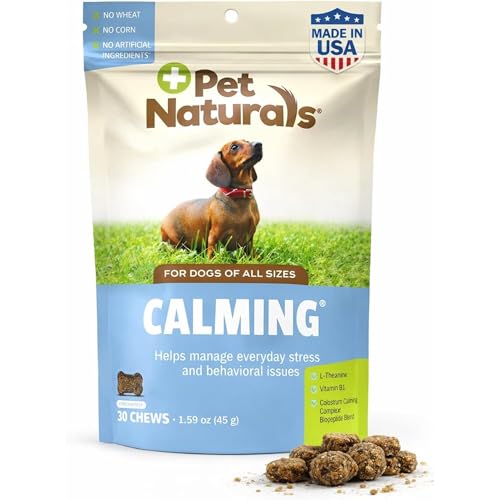
Pet Naturals Calming Chews for Dogs are supplemental soft chews designed to help manage situational stress, routine disruptions, and behavioral tension. Packaged in a 30-count pouch, this product is aimed at dog owners looking for a practical, non-sedating way to keep their pets composed during common triggers. Because this is a targeted dietary supplement rather than a complete and balanced dog food, it functions alongside an adult dog's standard kibble or wet food routine rather than replacing daily meals.
The formula centers on three primary active ingredients highlighted by the manufacturer: l-theanine, vitamin B1 (thiamine), and colostrum. According to the brand, this vet-formulated blend encourages relaxation and composure without resulting in lethargy, grogginess, or sleepiness. To make administration as simple as possible, the recipe incorporates real chicken liver for natural flavor, deliberately omitting artificial colors and synthetic flavors that can sometimes trigger digestive upset in sensitive dogs.
In terms of format, the bite-sized soft chews offer a distinct advantage over hard tablets, messy liquid tinctures, or capsules. Because they smell and taste like standard meaty treats, most dogs can take them directly from an owner's hand, eliminating the need to wrap pills in cheese or hide them within meal bowls. The compact pouch weighs approximately 0.1 pounds, making it easy to store in a kitchen pantry, keep in a travel kit, or carry along in a vehicle console for on-the-go stress management.
Feeding and administration directions are versatile. Pet Naturals specifies that these chews can be given every day as part of an ongoing behavioral regimen or reserved for acute situations such as vet examinations, grooming appointments, road trips, thunderstorms, or holiday fireworks. The manufacturer notes that it is safe to double or triple the recommended dose during times of heightened tension, giving owners actionable dosing flexibility when external stressors are especially severe.
As with any dietary supplement, there are practical boundaries to keep in mind. These chews are not formulated to meet AAFCO nutritional adequacy profiles for daily canine sustenance, nor are they intended to treat severe veterinary anxiety disorders or deep-rooted aggression. Additionally, because the pouch contains only 30 chews, homes with giant breeds or multiple dogs utilizing doubled doses may find the supply depletes relatively fast compared to bulk supplement tubs.
Pet Naturals Calming Chews represent a sensible, gentle option for dog owners seeking short-term or situational relaxation support. With real chicken liver palatability, a non-drowsy ingredient profile, and the flexibility to scale the dosage as storms or travel demand, these chews serve as a helpful, low-friction addition to a standard canine wellness cabinet.
Pet Naturals Calming Chews are formulated around three key functional ingredients: l-theanine, vitamin B1, and colostrum. These components are selected by the manufacturer to support natural relaxation and soothe everyday stress without dulling your dog's alertness or causing grogginess.
The soft chews are flavored with real chicken liver to appeal to canine taste preferences. The manufacturer explicitly avoids artificial colors and artificial flavors, which helps reduce the likelihood of stomach upset in dogs with ingredient sensitivities.
These chews can be administered on a daily basis to support ongoing composure or used as needed ahead of known stressors like car rides, veterinarian visits, grooming, storms, and fireworks. Because they are soft and bite-sized, they can be handed out just like a standard training treat.
Manufacturer feeding guidelines indicate that it is safe to double or triple the serving during times of increased environmental stress. Always store the pouch sealed in a cool, dry place to maintain chew freshness and texture.
Complete Guide to Thiamine for Dogs: Dietary Sources, Stability, and Supplementation
Maintaining proper levels of Vitamin B1 represents one of the most fundamental aspects of canine nutritional care. Unlike fat-soluble vitamins that accumulate in adipose tissue, thiamine is water-soluble, meaning canine bodies rapidly excrete excess amounts through urine. Because dogs cannot synthesize or store significant reserves of this micronutrient, their daily meals must reliably supply adequate quantities. Learning how whole foods, fortified pet foods, and targeted supplements work together gives pet parents the practical tools needed to safeguard their dogs against unseen nutritional deficiencies.
Why Dogs Require Dietary Thiamine for Daily Health
Thiamine serves as a vital coenzyme in the biochemical pathways responsible for cellular energy production. Inside canine cells, Vitamin B1 enables the decarboxylation of alpha-keto acids, which drives the citric acid cycle and converts dietary carbohydrates into adenosine triphosphate. Tissues with high metabolic demand, particularly the brain and heart muscle, rely continuously on this metabolic conversion to sustain normal operation. When dietary intake falls below minimum physiological thresholds, cellular energy drops sharply and triggers systemic dysfunction.
Beyond fuel conversion, thiamine plays a direct structural role in nervous system communication and neurotransmitter synthesis. It participates in the generation of acetylcholine, a neurotransmitter that governs voluntary muscle contraction, memory formation, and autonomic nervous functions. Vitamin B1 also supports the maintenance of myelin sheaths, the protective coverings surrounding peripheral nerves that facilitate rapid electrical signaling. Without steady dietary replacement, nerve transmission degrades, leading to uncoordinated movement and diminished cognitive responsiveness.
Primary Whole Food Sources of Vitamin B1
Animal tissues provide some of the richest and most biologically appropriate natural supplies of Vitamin B1 for canines. Lean cuts of pork, beef muscle meat, and poultry supply appreciable amounts of thiamine along with complete amino acid profiles. Organ meats, specifically liver, kidneys, and heart, deliver concentrated doses of B-complex vitamins that surpass standard muscle cuts. Incorporating these nutrient-dense organs into raw or gently cooked meals offers a bioavailable nutritional boost that canines instinctively find palatable.
Certain plant-based ingredients and whole grains also contribute valuable quantities of thiamine to canine feeding plans. Whole grains like brown rice, oatmeal, and barley naturally carry Vitamin B1 within their outer bran and germ layers. Brewer’s yeast stands out as another exceptional natural source, frequently utilized in pet food formulations to elevate B-complex concentrations naturally. Legumes like peas and lentils also provide modest thiamine levels while delivering digestible fiber and plant proteins.
Balancing whole-food additions requires careful planning to prevent accidental nutritional skewing in home-prepared diets. While fresh meats and grains supply natural vitamins, their exact nutrient density fluctuates depending on agricultural conditions, animal diet, and post-harvest handling. Relying strictly on unfortified whole ingredients without precise formulation can leave canines vulnerable to subclinical deficiencies over extended periods. Most canine nutrition guidelines recommend combining fresh dietary components with verified complete feeds or calibrated vitamin premixes to guarantee daily adequacy.
Commercial Pet Food Formulations and Fortification
Commercial pet foods rely heavily on precise vitamin fortification to meet established association standards. The Association of American Feed Control Officials outlines minimum thiamine requirements for growth, reproduction, and adult maintenance formulas. Because natural vitamins present in raw food commodities rarely survive modern industrial manufacturing intact, pet food manufacturers deliberately fortify recipes. Examining the guaranteed analysis and ingredient panel usually reveals added thiamine compounds designed to ensure the finished bag or can meets baseline nutritional standards.
Extrusion cooking and retort sterilization subject dog food ingredients to intense thermal processing, elevated pressure, and varying moisture levels. Thiamine ranks among the most heat-labile micronutrients in existence, frequently suffering degradation rates between 50 percent and 90 percent during thermal manufacturing. High-temperature dry kibble extrusion substantially reduces naturally occurring Vitamin B1 before packaging ever occurs. Canned wet foods, which undergo prolonged steam retort heating inside sealed cans to eliminate bacterial spores, experience equally aggressive nutrient degradation.
Manufacturers compensate for thermal losses by formulating finished recipes with substantial overages of synthetic thiamine. Two primary compounds dominate commercial formulations: thiamine mononitrate and thiamine hydrochloride. Thiamine mononitrate exhibits superior shelf stability in dry environments, making it the preferred additive for dry extruded kibble. Thiamine hydrochloride dissolves readily in liquid mediums, rendering it ideal for broths, canned gravies, and liquid vitamin supplements that require uniform dispersion.
Dietary Supplements and Calming Chews Providing Vitamin B1
Targeted dietary supplements offer a convenient method for introducing supplemental Vitamin B1 into a dog’s daily routine. Products like Pet Naturals Calming Chews for Dogs, 30 Count leverage thiamine alongside calming compounds to support nervous system balance. The manufacturer states that this bite-sized soft chew pairs Vitamin B1 with l-theanine and colostrum to promote relaxation without inducing grogginess or lethargy. Flavored with real chicken liver and free of artificial colors or flavors, these soft chews appeal to selective eaters needing gentle behavioral support.
Vitamin B1 contributes meaningfully to calming formulations because nervous system stability relies on steady carbohydrate metabolism and neurotransmitter equilibrium. Dogs facing acute stress from thunderstorms, loud fireworks, grooming visits, or separation anxiety experience heightened metabolic turnover that depletes water-soluble nutrients. The Pet Naturals formulation provides flexible administration, allowing owners to offer chews daily or strictly as needed prior to stressful events. Manufacturer guidelines specify that owners may safely double or triple the dose during periods of intensified environmental stress.
Pet owners must recognize the clear boundary between functional treats and complete daily meals. While chewable supplements supply targeted levels of specific nutrients like thiamine, they are not formulated to deliver complete and balanced baseline nutrition. Supplemental chews should fit responsibly within the standard ten percent caloric boundary to avoid diluting the dog’s primary meal intake. Consulting product feeding guides helps maintain appropriate serving sizes that complement regular kibble or wet food without causing digestive upset.
Dietary Risks and Factors That Destroy Thiamine
Certain feeding practices can inadvertently destroy thiamine before a dog’s gastrointestinal tract has the chance to absorb it. Raw freshwater fish, raw shellfish, and specific marine species contain thiaminase, an active enzyme that chemically splits and deactivates Vitamin B1 molecules. Feeding raw carp, catfish, or herring on a routine basis can induce rapid thiamine deficiency even if the overall diet appears abundant in meat. Fortunately, heat denatures the thiaminase enzyme, making properly cooked fish entirely safe and nutritious for regular canine consumption.
Chemical food preservatives represent another documented hazard capable of neutralizing thiamine in canine diets. Sulfur dioxide, sodium sulfite, and potassium metabisulfite have historically been used in low-grade pet meats and unregulated raw butcher scraps to delay spoilage. These sulfur-based compounds actively cleave the thiamine molecule at room temperature, rendering the food nutritionally void of Vitamin B1. Responsible pet food brands avoid sulfite preservatives entirely, relying instead on natural mixed tocopherols or hermetic canning seals to maintain freshness.
Environmental conditions during home storage also dictate how long essential vitamins remain stable inside an opened package. Exposing dry kibble to heat, ambient humidity, and direct sunlight accelerates oxidative breakdown of added vitamins. Pet parents managing high-energy routines often coordinate feeding schedules with outdoor gear reviewed in our no-pull dog harness for strong pullers to maintain consistent physical activity. Keeping pet foods sealed tightly in their original bags inside airtight storage bins protects sensitive micronutrients against rapid atmospheric degradation.
Recognizing Signs of Thiamine Deficiency in Dogs
Identifying the onset of thiamine deficiency requires vigilance because initial clinical signs often present vaguely. Early symptoms typically manifest as sudden hyporexia or total refusal to eat previously enjoyed meals. Affected dogs frequently show uncharacteristic lethargy, mild drooling, and intermittent vomiting as their digestive tract struggles with altered cellular energy. Because these early indicators mimic numerous common gastrointestinal complaints, owners often fail to suspect an underlying micronutrient deficiency until symptoms advance.
Progression to the secondary and neurological stages can occur rapidly due to the absence of significant bodily thiamine reserves. Dogs exhibit progressive ataxia, appearing uncoordinated, wobbly on their hind legs, and prone to stumbling over flat household surfaces. A classic clinical hallmark is ventroflexion of the neck, where the dog involuntarily curls its chin downward toward the chest due to cervical muscle weakness. Bilaterally dilated pupils, abnormal eye movements known as nystagmus, and sudden seizures signal critical neurological compromise requiring immediate medical intervention.
Physical handling during neurological episodes requires extreme care to prevent secondary injuries from falls or sudden muscle spasms. Owners caring for substantial working breeds often rely on supportive gear from our collar for large dog breeds to maintain steady control during routine walks. If an animal begins displaying uncoordinated movement or involuntary head dropping, strenuous exercise must cease immediately. Rapid recognition and transport to a qualified veterinary hospital can mean the difference between full neurological recovery and permanent impairment.
Best Practices for Preserving and Feeding Thiamine-Rich Meals
Preserving dietary thiamine starts with thoughtful purchasing habits and strict kitchen storage protocols. Selecting pet foods in package sizes that your dog consumes within four to six weeks prevents extended exposure to oxygen. Rolling down the top of the multi-ply bag and securing it with a sturdy clip before placing it into a clean plastic bin retains protective barrier properties. Storing food containers in a climate-controlled pantry rather than warm garages or damp basements prevents environmental heat from degrading sensitive vitamin premixes.
Home cooks preparing fresh meat toppers or custom meals should employ gentle cooking techniques to minimize vitamin attrition. Steaming, baking at moderate temperatures, or low-heat simmering preserves significantly more Vitamin B1 than harsh boiling or high-heat frying. Because thiamine leaches readily into cooking liquids, incorporating the residual broth back into the meal ensures valuable dissolved nutrients are not discarded down the sink. Never feed raw freshwater fish or unverified butcher trimmings preserved with chemical sulfites to home-fed companions.
Introducing supplemental chews into a dog’s feeding regimen should follow a gradual, measured approach. Soft chews like Pet Naturals Calming Chews work best when introduced as single servings, allowing owners to observe gastrointestinal tolerance. Tracking daily treats alongside regular kibble rations prevents overfeeding while delivering targeted benefits during stressful routine transitions. Maintaining open dialogue with your veterinarian ensures that any supplement addition aligns harmoniously with your dog’s overall nutritional profile.
Veterinary Evaluation and Clinical Boundaries
Severe nutritional deficiencies cannot be resolved through dietary adjustments or over-the-counter chewable supplements alone. When a dog displays acute neurological symptoms like ventroflexion or seizures, gastrointestinal absorption is frequently compromised and too slow to reverse metabolic decline. Veterinarians diagnose thiamine deficiency through detailed dietary histories, clinical presentations, and therapeutic responses to parenteral Vitamin B1 injections. Intravenous or intramuscular administration bypasses the digestive tract entirely, restoring cellular coenzyme levels within hours when administered promptly.
Over-the-counter products, commercial diets, and whole-food additions serve exclusively as everyday maintenance and supportive nutritional tools. Responsible pet ownership involves verifying that primary diets carry explicit nutritional adequacy statements suitable for your dog’s specific life stage. Combining high-quality complete foods with safe storage, cautious ingredient selection, and veterinarian-guided supplements creates a resilient nutritional foundation. Proactive dietary management ensures your canine companion enjoys sustained energy, balanced cognition, and robust long-term well-being.


Write Your Review
No reviews yet. Be the first to share your experience!