


Warm afternoons and energetic indoor games often leave active dogs panting and searching for ways to cool down. Preparing homemade frozen dog treat recipes gives pet parents complete oversight of wholesome ingredients while providing engaging mental enrichment. Chilled snacks deliver a soothing tactile sensation that ordinary dry biscuits simply cannot match during warmer weather. Offering cold rewards after rigorous outdoor exercise on a sturdy leash for dogs that pull helps settle an excited dog effectively. This dual focus on safe physical activity and cooling mental stimulation supports overall canine wellness.
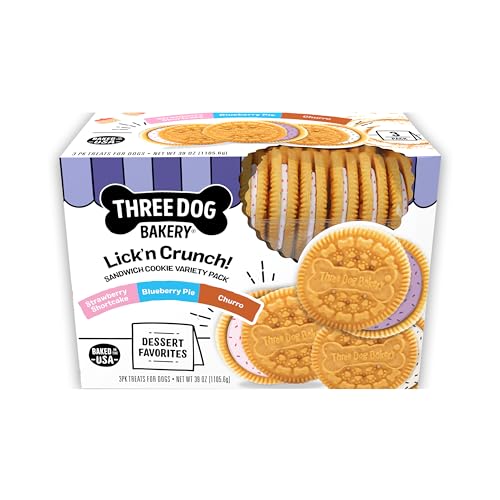
Many pet owners also enjoy combining smooth frozen purees with bakery-style treats to create delightful dessert-inspired snacks. Incorporating prepared biscuits like Three Dog Bakery Lick’n Crunch! Dessert Favorites lets you sandwich crunchy cookie layers around plain yogurt or pureed fruit. Following sound canine nutritional principles ensures that these chilly confections complement daily meals without causing digestive distress. Careful ingredient selection allows dogs of various sizes and activity levels to enjoy occasional frozen treats safely. Simple household molds and basic pantry staples make assembling these rewarding bites fast and fun.
A Practical Guide to Crafting Frozen Dog Treats
Offering frozen snacks provides far more than simple temperature relief during warm summer months. Prolonged licking releases endorphins that promote canine relaxation and curb destructive chewing behaviors indoors. Understanding how to formulate balanced snacks protects your pet against accidental weight gain and digestive distress. Thoughtful ingredient selection transforms simple frozen treats into beneficial tools for daily mental stimulation and routine training.
Essential Canine Nutrition Guidelines for Chilled Homemade Snacks
Every supplemental snack must fit thoughtfully into your dog’s daily nutritional allowance. Veterinarians widely recommend that treats and toppers account for no more than ten percent of total daily calories. The remaining ninety percent of daily energy must come from an AAFCO-compliant complete and balanced food. Exceeding treat limits can displace essential amino acids, vitamins, and minerals that dogs require for daily organ function.
Energy density varies dramatically across common frozen treat components. Pureed vegetables and plain broths carry minimal caloric weight, while nut butters and dairy pack heavy caloric punches. Dogs with lower daily energy expenditures can gain weight quickly if fat-rich ingredients dominate their frozen snacks. Checking the caloric content of all base items helps maintain your pet’s ideal body condition score over time.
Nutritional balance also hinges on avoiding unnecessary sugars and excessive carbohydrates. While dogs can digest cooked starches and natural fruit sugars, excess carbohydrate intake can trigger digestive upset or loose stools. Selecting ingredients that supply gentle dietary fiber supports stable gut motility during warmer seasons. Keeping treat recipes simple allows pet parents to pinpoint which ingredients agree best with their dog’s unique physiology.
Safe Foundation Ingredients for Wholesome Cold Recipes
Plain pureed pumpkin stands out as one of the most reliable bases for frozen canine recipes. Canned pumpkin provides soluble fiber that helps regulate stool consistency and supports healthy digestion. Pet parents must always verify that canned pumpkin contains zero added spices, sugar, or artificial sweeteners. Blending pumpkin puree with a splash of water creates an easy pourable mixture for small freezing trays.
Unsweetened plain Greek yogurt serves as another versatile base for pet-friendly icy snacks. Cultured yogurt offers live probiotics and calcium while containing significantly less lactose than standard cow milk. Some dogs remain sensitive to bovine dairy, so introducing yogurt in very small initial portions is wise. For lactose-intolerant companions, dairy-free alternatives such as plain goat milk or coconut water provide suitable liquid foundations.
Canine-safe bone broths offer superior hydration without introducing excess dietary fats or empty carbohydrates. Commercial bone broths formulated specifically for dogs avoid toxic ingredients like onions, garlic, and heavy sodium. Simmering plain chicken frames or beef marrow bones at home produces a nutrient-dense broth rich in gelatin. Freezing broth into simple ice cubes provides a savory reward that encourages active dogs to drink more fluid.
Fresh and frozen fruits deliver appealing sweetness alongside natural vitamins and beneficial plant polyphenols. Blueberries, sliced strawberries, and ripe bananas blend smoothly into purees or work as whole inclusions within liquid bases. These fruits provide moisture and antioxidant support while maintaining low levels of dietary fat. Always wash fresh produce thoroughly and slice firm fruits into manageable pieces to prevent choking hazards.
Hazardous Ingredients to Strictly Exclude from Canine Freezers
Artificial sweeteners represent one of the most dangerous threats in modern household pantries. Xylitol, frequently labeled as birch bark extract or birch sugar, induces rapid insulin release and acute hepatic necrosis in canines. Even minuscule traces found in sugar-free peanut butters or flavored yogurts can prove life-threatening within minutes. Pet owners must inspect ingredient panels diligently before adding any commercial pantry staple into a dog treat recipe.
Several common kitchen staples that humans enjoy are distinctly poisonous to dogs. Grapes and raisins cause acute kidney injury in canines through mechanisms that remain unpredictable across individual breeds. Chocolate contains theobromine and caffeine, both of which stress canine cardiac and nervous systems. Macadamia nuts, walnuts, and moldy food items can provoke severe tremors, vomiting, and temporary hind-limb paralysis.
Allium family vegetables like garlic, onions, leeks, and chives must never enter homemade pet foods. These plants contain organosulfur compounds that cause oxidative damage to red blood cells, leading to hemolytic anemia. Many store-bought human bone broths and bouillon cubes conceal powdered garlic or onion for savory flavor. Preparing dedicated broths at home eliminates these hidden hazards and guarantees canine safety.
Preparation Formats and Chilling Techniques for Long-Lasting Enrichment
Silicone molds have revolutionized homemade pet treat preparation by simplifying both freezing and removal. Flexible food-grade silicone allows frozen bites to pop out cleanly without requiring oily non-stick cooking sprays. Selecting small paw-shaped or mini cube molds creates bite-sized snacks ideal for regular reward delivery. Larger silicone compartments work nicely for multi-layer treats that freeze distinct ingredients into attractive bands.
Durable rubber puzzle toys provide the ultimate platform for slow-melting mental enrichment. Layering pureed pumpkin, mashed banana, and soaked kibble inside a hollow toy keeps dogs occupied for extended periods. Freezing stuffed toys solid extends licking duration, which activates parasympathetic calming responses during stressful periods. Setting the toy upright in a wide mug inside the freezer prevents messy spills before the liquid base sets.
Textured lick mats offer an accessible alternative for dogs that struggle with hollow rubber toys. Spreading yogurt, pureed berries, or canine-safe peanut butter across silicone grooves creates an engaging licking surface. Popping the coated mat into the freezer for two hours locks the ingredients into a firm sheet. This format encourages slow consumption and works well for pets recovering from injury or restricted from strenuous exercise.
Upgrading Cold Confections with Bakery Biscuit Crusts
Incorporating baked biscuits into cold recipes adds a crunchy textural contrast that dogs find irresistible. Crunchy dog cookies deliver an appealing snap that balances the smooth, icy melt of frozen fruit and dairy bases. The baked structure also helps stabilize softer purees as they chill inside silicone molds or cups. Pet parents can crush biscuits into crumbly bases or insert whole cookies into setting purees.
Using prepared bakery treats like Three Dog Bakery Lick’n Crunch! Dessert Favorites makes elevated treat assembly fast and fun. These dessert-inspired sandwich cookies feature creamy centers in Churro, Blueberry Pie, and Strawberry Shortcake flavors. The manufacturer crafts these crunchy cookies in the United States using real ingredients and no artificial flavors. Packing three bakery flavors in a thirty-nine-ounce resealable box makes them convenient for ongoing frozen kitchen projects.
You can create simple dog ice cream sandwiches by pressing creamy frozen puree between two crunchy biscuits. Alternatively, pet parents can position a single cookie into a silicone mold before pouring pureed yogurt or broth over the top. Freezing the sandwich cookies inside the mixture creates a solid bite that delays consumption while preserving biscuit crunch. The rich aroma of baked goods blends seamlessly with chilly fruit purees for special celebratory treats.
Activity Routines and Outdoor Enrichment with Chilled Snacks
Timing frozen treats around daily activity routines maximizes their physical and behavioral benefits. Offering a cold reward following an evening training walk provides gentle cooling when ambient temperatures remain elevated. Outfitting your companion with a waterproof light up dog collar keeps outdoor sessions safe during dim dusk hours. Once back inside, a small frozen broth cube offers satisfying hydration without encouraging gulping.
Chilled rewards also serve as outstanding distractors during routine canine grooming and coat maintenance. Regular brushing sessions can induce restlessness or anxiety in double-coated breeds prone to tangles. Equipping your dog with a coat-friendly collar designed to prevent matting minimizes friction while grooming their neck area. Placing a frozen lick mat nearby redirects their attention, turning a tense grooming routine into a pleasant cooperative experience.
Warm outdoor environments require careful monitoring to ensure dogs do not overheat during play. Chilled snacks should never substitute for fresh, clean drinking water that remains accessible at all times. Providing frozen treats in shaded outdoor spaces or on clean indoor tiles prevents messy melting over living room carpets. Observing your dog as they work through frozen snacks ensures they lick patiently rather than attempting to swallow large chunks whole.
Portion Control and Feeding Considerations Across Dog Sizes
Canine body weight dictates appropriate treat volume far more accurately than appetite alone. Toy breeds weighing under fifteen pounds require tiny portions to prevent overwhelming their compact digestive systems. A single large frozen cube could represent half of a small dog’s daily caloric allotment if made with rich ingredients. Using miniature silicone molds ensures tiny dogs enjoy refreshing rewards without risking substantial dietary imbalance.
Medium and large breeds can safely manage larger frozen molds or densely stuffed puzzle toys. However, large dogs often attempt to crunch and swallow icy blocks immediately rather than licking them gradually. Swallowing large frozen chunks can trigger temporary stomach cramping, mild regurgitation, or localized esophageal chills. Choosing toys with narrow openings forces enthusiastic chewers to lick the treat slowly instead of biting down forcefully.
Adjusting primary meal portions helps offset the extra energy supplied by rich frozen treat ingredients. If you offer a calorie-dense treat containing peanut butter or bakery cookies, reduce your dog’s evening kibble ration slightly. Keeping a simple log of daily extras prevents unintended weight creep in sedentary or senior canines. Routine body condition checks ensure your feeding adjustments preserve a lean, healthy canine silhouette.
Safe Storage Practices and Freezer Shelf Life
Proper cold storage preserves both the nutritional value and palatability of homemade frozen treats. Once treats freeze solid in flexible silicone trays, transfer them into airtight freezer bags or glass containers. Leaving frozen treats exposed in open trays accelerates moisture loss and absorbs surrounding freezer odors. Sealing treats tightly prevents ice crystallization that degrades food texture and dulls natural aromas.
Homemade pet treats lack artificial preservatives, meaning their freezer lifespan is naturally limited. Most broth-based and fruit-based treats retain optimal quality for roughly two to three months when kept below zero degrees Fahrenheit. Dairy-based snacks should generally be consumed within four to six weeks to avoid textural separation or rancidity. Labeling storage bags with the preparation date ensures you serve treats while they remain fresh and enticing.
Maintaining strict kitchen hygiene protects both canine companions and human household members. Wash blenders, cutting boards, and silicone molds with warm soapy water immediately after each batch. Store pet treats in a designated freezer section away from raw human meats to prevent cross-contamination. Discard any frozen treat that develops odd discoloration, freezer burn patches, or an unusual sour odor.
Assessing Digestive Tolerance and Cold Sensitivity
Every dog possesses an individual gastrointestinal tolerance profile that dictates how they handle new foods. Introducing novel items like pureed pumpkin, yogurt, or unfamiliar fruits should occur gradually over several days. Monitor your pet’s stool quality and energy level whenever you incorporate a new base ingredient into their treats. If loose stools or excess gas develop, eliminate the novel item and return to simple plain broths.
Some canines experience oral sensitivity or temporary discomfort when biting directly into dense ice. Senior pets with dental wear, gingivitis, or fractured teeth may find rock-hard frozen cubes painful on sensitive nerves. Allowing frozen treats to sit on the kitchen counter for three to five minutes softens their outer surface slightly. This brief tempering step prevents icy sticking to sensitive tongues while making licking much easier.
Thoughtfully formulated frozen treats provide wonderful enrichment when managed with care, safety, and nutritional moderation. Combining nutritious whole foods with shelf-stable favorites like Three Dog Bakery Lick’n Crunch! Dessert Favorites creates satisfying variety in your dog’s weekly routine. Always consult your veterinarian if your dog has underlying health conditions such as pancreatitis, kidney disease, or severe food allergies. With safe ingredients and sensible portions, homemade frozen treats remain a delightful way to nurture your pet’s happiness.


Write Your Review
No reviews yet. Be the first to share your experience!