


Adding wholesome vegetables to a pet’s food dish is a popular routine for conscientious pet parents looking to enhance mealtime nutrition. While many garden vegetables offer useful fiber and vitamins, canine digestive tracts handle plant matter differently than human systems. Understanding whether can dogs eat peas requires reviewing both raw household feeding safety and the role legumes play in commercial dog recipes. Many dogs relish the sweet taste and crisp texture of fresh green legumes when offered as an occasional snack.
Selecting the right dietary approach depends heavily on your dog’s daily activity level, life stage, and individual digestive tolerance. An active canine exercising on daily trail hikes in a secure harness for strong pullers often has different caloric requirements than an older companion resting at home. Commercial pet foods frequently incorporate peas alongside animal proteins to deliver complete and balanced nutrition that supports everyday vitality. Evaluating ingredient profiles, manufacturer formulations, and serving methods helps dog owners make informed feeding choices for their household pets.
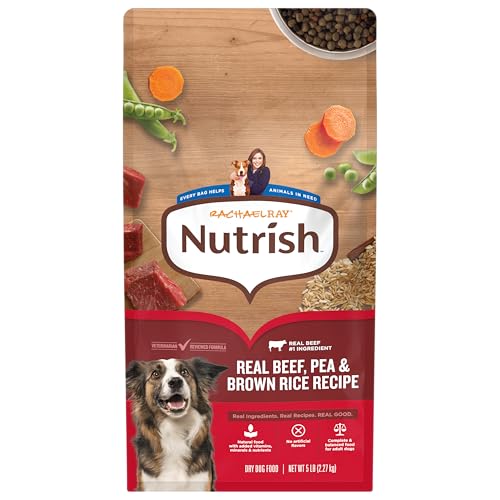
Pros
- Real beef is the first listed ingredient for recognizable animal protein
- Provides complete and balanced nutrition formulated across all adult breed sizes
- Contains no artificial flavors and includes added vitamins and minerals
- Convenient 5-pound bag is easy to lift, store, and measure for daily meals
Cons
- Formulated strictly for adult maintenance, making it unsuitable for growing puppies
- Guaranteed analysis percentages and specific calorie counts are not detailed in the supplied listing data
- A 5-pound bag may deplete quickly in multi-dog or giant-breed households compared to bulk sizes
Rachael Ray Nutrish Beef, Pea & Brown Rice Recipe is a dry kibble formulated for adult dogs of all sizes. Built for daily maintenance, it serves adult dogs across small, medium, and large breeds. While occasionally cataloged under food toppers in general retail listings, the manufacturer specifications clearly confirm that this product is a complete and balanced dry dog food intended as a primary daily diet.
The recipe focuses on real beef as its first ingredient, providing an animal protein foundation complemented by brown rice and peas. As a natural dog food recipe with added vitamins, minerals, and nutrients, it avoids artificial flavors entirely. The manufacturer also notes that this formula is veterinarian-reviewed and developed with input from canine nutrition specialists, offering reassurance regarding standard recipe oversight.
Packaged in a 5-pound bag measuring 4 by 8 by 14.5 inches, this dry food offers an easy-to-handle footprint for daily meal preparation. The smaller package size is especially practical for single-dog apartments, owners with limited pantry storage, or those who prefer keeping open bags relatively fresh rather than storing large bulk sacks for weeks. It also serves as an accessible option for travel or trial periods.
For everyday feeding routines, dog owners should measure daily portions based on their dog's body condition, activity level, and standard manufacturer feeding guidelines. When introducing this dry food to an adult dog, a gradual transition over 7 to 10 days by mixing increasing amounts of Nutrish with decreasing amounts of the prior food helps support digestive comfort. Always ensure fresh, clean water is available throughout the day.
A clear limitation of this formula is its life-stage scope. Because it is formulated for adult maintenance, it is not balanced for the unique calcium, phosphorus, and growth demands of puppies, nor for pregnant or nursing females. Additionally, pet parents managing specific food sensitivities should carefully review the full recipe profile, as beef, peas, and grains may not align with specialized elimination diets.
For owners seeking a mainstream, grain-inclusive adult kibble that prioritizes real beef without artificial flavoring, Rachael Ray Nutrish Beef, Pea & Brown Rice Recipe is a practical and budget-friendly choice. Its 5-pound bag size offers convenience and flexibility for everyday adult canine nutrition.
Rachael Ray Nutrish Beef, Pea & Brown Rice Recipe emphasizes real beef as its number one ingredient, establishing a recognizable animal protein base. The recipe incorporates wholesome carbohydrate and fiber sources, including peas and brown rice, creating a grain-inclusive daily profile.
The formula is classified as natural dog food with added vitamins, minerals, and essential nutrients to support overall adult canine vitality. It is crafted without artificial flavors, relying on natural ingredients to encourage mealtime acceptance.
This formula is specifically designated for adult dogs across small, medium, and large breeds. It is designed to meet complete and balanced daily maintenance requirements for mature dogs, meaning it should not be fed to puppies or gestating/lactating mothers who require growth-specific nutrient balances.
When switching an adult dog to this recipe, implement a gradual transition over approximately 7 to 10 days to minimize digestive upset. Monitor your dog's weight and adjust portion sizes as needed to maintain ideal body condition.

Pros
- Complete and balanced nutrition meeting AAFCO nutrient profiles across all life stages.
- Convenient pull-tab lids eliminate the need for a can opener during meal preparation.
- Features recognizable ingredients including real beef, peas, and carrots in broth with no artificial preservatives.
- Domestic USA manufacturing provides reassurance for owners prioritizing local production standards.
Cons
- Specific guaranteed analysis values and exact calorie counts per can are not provided in the raw product data.
- Stew-style cuts in broth require careful storage and prompt refrigeration after opening for unfinished portions.
- No specific large-breed growth designation is indicated on the provided specifications beyond general all-life-stages adequacy.
Strongheart Beef Stew Dog Food is a canned, stew-style wet diet formulated for dogs across all life stages. While often categorized casually as a meal enhancer or topper due to its savory broth and chunky presentation, the manufacturer explicitly positions this formula as a complete and balanced full meal. It is designed for dog owners seeking a straightforward, canned beef stew recipe that caters to puppies, adult dogs, and seniors alike.
The formula highlights real beef as the primary protein source, combined with visible carrots and peas suspended in a savory broth. A key nutritional detail is its alignment with AAFCO nutrient profiles for all life stages, ensuring that the recipe delivers baseline essential nutrients required for ongoing growth and maintenance. The product avoids artificial preservatives and mystery pastes, giving caregivers clear visual cues of the whole food ingredients. Note that detailed guaranteed analysis figures and exact caloric densities are not explicitly listed in the available specifications, so consulting the physical label remains advisable for precise nutritional breakdowns.
In terms of texture and presentation, this dog food delivers recognizable stew-style cuts rather than a dense pate or loaf. This wet format naturally incorporates moisture from the broth, which can benefit dogs that need encouragement to stay hydrated or those that prefer softer textures over dry kibble. The 12-pack contains standard 13.2-ounce cans, each equipped with an easy-open pull-tab lid. This design eliminates the need for a separate can opener, offering quick handling during busy morning or evening feeding routines.
Feeding this canned stew is straightforward, whether served as an exclusive daily diet or combined with kibble to enhance mealtime appeal. Dog owners transitioning to this formula should introduce it gradually over several days to monitor digestive tolerance, as any sudden switch in wet foods or rich broths can cause loose stools. Unused portions from a 13.2-ounce can will require prompt refrigeration in an airtight container or fitted can lid to maintain freshness between feedings, particularly for smaller dogs that do not finish an entire can in one sitting.
While the all-life-stages designation covers growth through senior years, puppy owners of large-breed dogs should verify whether the formula specifically accommodates the strict calcium-to-phosphorus ratios required for large-breed skeletal development, as that detail is omitted here. Additionally, the lack of published crude protein, fat, and fiber percentages in the raw specifications means owners managing strict medical conditions, pancreatitis, or weight management protocols should verify the guaranteed analysis on the physical packaging before introducing it.
For pet parents looking for an accessible, USA-made canned beef stew with real vegetables and pull-tab convenience, Strongheart Beef Stew presents a practical option. Its complete and balanced formulation ensures it can stand on its own as a daily meal while retaining the versatility of a savory topper. So long as your dog does not require a specialized therapeutic diet or restricted fat profile, this 12-can pack provides dependable wet-feeding utility.
Strongheart Beef Stew Dog Food is formulated to meet the nutritional levels established by the AAFCO dog food nutrient profiles for all life stages. This adequacy status confirms that the recipe functions as a complete and balanced daily diet for growing puppies through mature seniors, rather than merely an intermittent or supplemental meal topper.
Because the all-life-stages designation encompasses both growth and maintenance, it provides feeding versatility in multi-dog households with varying age groups. However, owners of large-breed puppies should consult the can label or their veterinarian to ensure the mineral and caloric profile aligns specifically with controlled large-breed growth guidelines.
This product arrives in a case of 12 metal cans, each containing 13.2 ounces of stew-style cuts in broth. A practical design feature is the integrated pull-tab lid on every can, which allows owners to pop the top easily without searching for a manual or electric can opener at mealtime.
Unopened cans should be stored in a cool, dry pantry out of direct sunlight and extreme temperatures. Once opened, any remaining wet food should be covered with a reusable can lid or transferred to an airtight container and kept refrigerated to preserve safety and palatability, typically to be consumed within a few days.
Understanding Peas in Canine Nutrition and Commercial Dog Food
Pet owners frequently examine ingredient panels to verify whether can dogs eat peas safely without digestive distress. Green peas serve as a common inclusion in modern canine diets because they provide dietary fiber, carbohydrates, and essential micronutrients. Safe feeding involves understanding appropriate serving styles, physiological exceptions, and the structural differences between kitchen treats and formulated pet meals. Examining how dogs process legumes ensures owners can offer these green vegetables with complete confidence.
The Direct Answer on Pea Safety and Canine Digestion
Healthy dogs can safely consume green peas in moderation as part of a varied and controlled dietary routine. Veterinarians and animal nutritionists recognize garden peas, English peas, sugar snap peas, and snow peas as non-toxic vegetables for dogs. The canine digestive system processes the carbohydrates and soluble fiber in these legumes relatively easily when cooked or thoroughly thawed. Most dogs tolerate moderate servings without developing negative gastrointestinal symptoms or loose stools.
Digestive processing begins in the stomach, where enzymes break down the tender exterior skin and internal starch of the pea. Because dogs possess shorter digestive tracts than humans, large volumes of plant matter can pass through without complete absorption. Offering whole, raw peas in large quantities may result in undigested vegetables appearing directly in your dog’s stool. Steaming or mashing whole peas softens their outer cellular walls, improving overall nutrient availability for the canine intestine.
Moderation remains the most important consideration whenever dog parents introduce any new botanical ingredient into a bowl. Even though peas supply valuable micronutrients, an excessive volume can lead to flatulence, abdominal cramping, or watery bowel movements. Pet owners should introduce single-ingredient peas gradually while observing how their dog reacts over twenty-four hours. This careful introduction strategy ensures that unexpected sensitivities or digestive intolerances are detected before larger portions are served.
Key Nutritional Benefits of Peas for Canines
Green peas deliver an impressive array of essential vitamins that support daily canine cellular health and immune defenses. They contain notable concentrations of vitamin A, which contributes directly to eye health and mucous membrane maintenance. Peas also provide vitamin K, an essential fat-soluble nutrient that facilitates normal blood clotting and bone metabolism. Furthermore, the B vitamins present in peas assist in converting dietary proteins, fats, and carbohydrates into usable biological energy.
Beyond standard vitamins, peas supply crucial minerals such as iron, magnesium, potassium, and phosphorus. Potassium helps maintain healthy electrolyte balance, muscle contractions, and steady nerve function throughout the canine body. Magnesium supports cellular enzymatic reactions and promotes strong structural density alongside dietary calcium. The natural dietary fiber found in peas also supports consistent bowel regularity and nourishes beneficial bacteria residing in the colon.
Peas also contribute antioxidants like lutein and zeaxanthin, which help protect delicate cellular tissues from oxidative free-radical damage. These specific carotenoid compounds are frequently studied for their supportive role in canine ocular clarity and immune wellness. In addition, the soluble fiber content slows gastric emptying, which can help promote feelings of fullness in dogs prone to begging. These diverse nutritional characteristics explain why pet food manufacturers frequently incorporate peas into their flagship recipe formulations.
Varieties of Peas and Safe Preparation Methods
Pet owners can choose from several edible pea varieties when preparing fresh treats at home. Standard green garden peas, often called English peas, should always be removed from their fibrous outer pods before serving. While the soft interior peas are gentle on canine intestines, the tough outer shell presents a choking hazard and can cause gastrointestinal obstruction. In contrast, tender sugar snap peas and flat snow peas feature softer edible pods that dogs can safely chew when sliced into bite-sized segments.
Fresh, frozen, or gently steamed peas make the safest treat options for domestic dogs. Frozen peas serve as an enjoyable, low-calorie crunchy treat on warm afternoons, provided the dog chews them carefully. Boiling or steaming fresh peas until soft makes them significantly easier to mash and mix directly into standard dry kibble meals. Home cooks must strictly avoid adding butter, cooking oils, salt, garlic, onions, or savory spices, as these seasonings can trigger pancreatitis or toxic reactions.
Canned peas from the grocery store require special caution and are generally not recommended for canine bowls. Most commercial canned vegetables packed for human consumption contain elevated levels of sodium used as a natural flavor enhancer and preservative. Ingesting excess dietary sodium can cause dehydration, electrolyte imbalances, and unnecessary strain on canine cardiovascular and renal systems. If canned peas are your only available option, verify that the product label lists zero added salt and rinse the peas thoroughly under cold running water.
Critical Health Conditions and Purine Considerations
Despite their overall nutritional benefits, peas contain naturally occurring chemical compounds called purines that require careful veterinary consideration. When the canine body breaks down dietary purines, it produces uric acid as a metabolic byproduct. Healthy canine kidneys easily filter and eliminate normal levels of uric acid through regular urination. However, dogs diagnosed with chronic kidney impairment or renal dysfunction may struggle to process elevated uric acid levels effectively.
Excessive uric acid accumulation can contribute to the formation of painful urinary stones, such as urate or calcium oxalate crystals. Certain dog breeds, including Dalmatians and English Bulldogs, have a known genetic predisposition to abnormal purine metabolism and bladder stone formation. For these specific breeds or any dog with a documented history of urinary crystals, pet parents should avoid feeding peas entirely. Consulting your veterinarian before introducing legume-dense treats ensures that your feeding choices align with your pet’s metabolic profile.
Managing dietary inputs is just as essential for your dog’s overall physical wellness as maintaining proper exercise gear during daily neighborhood walks. Pairing a balanced nutrition plan with a secure dog leash for dogs that pull helps maintain consistent conditioning and healthy muscle tone across every life stage. Owners who carefully monitor both physical fitness and ingredient tolerance create a balanced lifestyle that protects long-term joint, kidney, and digestive health. Always prioritize veterinary input whenever managing specific chronic medical conditions.
Whole Table Scraps Versus Complete Commercial Formulations
Feeding plain whole peas from your kitchen differs significantly from serving a professionally manufactured commercial pet food recipe. Table scraps and vegetable snacks are supplemental foods that lack the precise balance of essential minerals, fatty acids, and amino acids dogs require daily. Feeding excessive amounts of standalone vegetables can dilute the nutrient density of your pet’s complete primary diet. Canine nutritionists consistently advise that supplementary treats should never exceed ten percent of your dog’s total daily caloric allowance.
In contrast, commercial dog foods integrate peas as part of a scientifically formulated nutritional matrix. Commercial pet food manufacturers calculate precise ratios of legumes alongside animal proteins, grains, and added vitamins to meet strict metabolic standards. Within these formulas, peas contribute usable carbohydrates, dietary fiber, and plant proteins that complement animal-derived amino acids. This calculated formulation strategy prevents nutrient deficiencies while leveraging the functional benefits of natural legumes.
Pet owners who want to offer the health benefits of peas without risking nutritional imbalance often find commercial recipes to be the safest choice. Formulated diets ensure that your dog receives consistent vitamin levels and balanced mineral ratios in every single bowl. Using complete commercial dog foods eliminates the guesswork associated with measuring individual vegetable portions in the kitchen. This distinction makes commercial feeding both convenient for busy owners and reliably nourishing for household pets.
Dry Kibble and Wet Stew Formats Featuring Peas
Commercial dog food brands utilize peas across various recipe formats, including crunchy dry kibble and tender canned wet stews. For instance, Nutrish Dry Dog Food, Beef, Pea & Brown Rice utilizes a dry extruded kibble format designed for adult maintenance. This recipe features real beef as its primary ingredient, pairing wholesome animal protein with peas and whole brown rice. Extruded dry kibble offers notable convenience, shelf stability, and a satisfying crunch that many adult dogs appreciate during daily meals.
The Nutrish formula is veterinarian reviewed and crafted by companion animal experts to supply complete and balanced nutrition for adult dogs across small, medium, and large breeds. Incorporating peas alongside brown rice provides digestible dietary fiber that supports regular intestinal motility. Furthermore, the recipe avoids artificial flavorings, relying instead on natural ingredients supplemented with essential vitamins and minerals. The five-pound bag packaging provides a manageable format for keeping dry food fresh in standard household storage containers.
Alternatively, canned wet foods offer a distinct texture and hydration profile for dogs that prefer softer meals or require higher moisture intake. A prime example is A Strong Heart Beef Stew Dog Food, Peas & Carrots, which features stew-style cuts of real beef, peas, and carrots suspended in savory broth. Unlike supplemental food toppers or mixers, this canned stew is formulated as a complete and balanced full meal meeting AAFCO nutrient profiles. The visible cuts of beef and whole vegetables provide an enticing sensory experience without relying on artificial preservatives.
Packaged in a convenient twelve-pack of thirteen-point-two-ounce cans with pull-tab lids, this stew-style recipe eliminates the need for a separate can opener. Manufactured domestically in the United States, it provides verified quality control for owners who prioritize domestic pet food production standards. The high moisture content in savory broth supports daily urinary hydration, making wet food particularly advantageous for selective eaters or older dogs with dental sensitivities. Combining real animal protein with visible garden vegetables ensures that dogs enjoy genuine culinary variety.
Life-Stage Suitability and Label Reading from Puppies to Seniors
Understanding life-stage positioning on commercial pet food packaging is essential when choosing a diet that incorporates peas. Nutritional requirements shift dramatically as a canine progresses from rapid puppy growth through active adulthood and into calm senior years. A recipe labeled for adult dogs, such as the Nutrish dry beef and pea formulation, is calibrated specifically to maintain mature muscle mass and healthy adult body condition. Feeding an adult-only formula to growing puppies may fail to provide the elevated calcium and phosphorus ratios necessary for proper skeletal development.
Conversely, all-life-stages formulations offer broader developmental coverage by satisfying the nutritional requirements of puppies, adult dogs, and nursing mothers alike. The Strongheart canned beef stew explicitly indicates all-life-stages compliance under AAFCO nutrient profiles, confirming its suitability from weaned puppies to senior companions. This versatility makes all-life-stages wet food an excellent option for multi-dog households containing pets of varying ages. Reading the formal AAFCO nutritional adequacy statement on the back panel guarantees that the food satisfies your pet’s precise developmental window.
Owners should also inspect the ingredient list hierarchy to confirm that named animal proteins remain positioned at the top of the formulation. While peas provide valuable vegetable nutrients and plant proteins, dogs thrive primarily on high-quality animal proteins that provide complete amino acid profiles. In both the Nutrish dry kibble and Strongheart canned stew, real beef serves as the foundational protein source. Identifying real meat as the leading ingredient ensures that plant-based legumes play an appropriate complementary role rather than dominating the protein profile.
Digestibility, Portion Guidelines, and Transitioning Diets
Whenever you introduce a new dog food containing peas into your pet’s bowl, implementing a gradual transition plan prevents digestive upset. Canine gut microbiomes adapt slowly to shifts in dietary fiber, carbohydrate sources, and protein densities. Begin by mixing twenty-five percent of the new pea-inclusive recipe with seventy-five percent of your dog’s current food for two to three days. Slowly increase the proportion of the new food over seven to ten days until your pet eats the new recipe exclusively.
Observing your dog’s stool consistency and appetite during this transition period provides direct evidence of digestive tolerance. If you notice signs of excess gas, rumbling intestines, or loose stools, pause the transition and maintain the current ratio for several days. Dogs with sensitive stomachs may require a more extended transition period lasting up to two weeks to adjust comfortably. Keeping fresh, clean drinking water available at all times supports the healthy expansion and passage of dietary fiber through the lower intestine.
Proper portion measurement prevents accidental overfeeding and supports long-term canine weight management goals. Always consult the manufacturer feeding chart printed on the packaging, which bases daily portion recommendations on your dog’s current body weight and activity level. Remember that printed feeding guidelines serve as baseline recommendations rather than rigid prescriptions. Adjusting daily meal volumes based on your pet’s metabolism, body condition score, and veterinarian recommendations keeps your companion healthy, trim, and energetic.
Summary of Safe Pea Feeding Practices for Dog Owners
Serving green peas to household dogs offers genuine nutritional value when executed through safe preparation methods or balanced commercial recipes. Plain garden peas, snow peas, and sugar snap peas provide healthy fiber, essential vitamins, and protective antioxidants for most adult dogs. However, pet parents must strictly avoid canned varieties with high sodium, fibrous pods that present choking hazards, and legume feeding in dogs diagnosed with kidney disease. Choosing complete and balanced options like Nutrish dry kibble or Strongheart canned stew ensures your pet enjoys the wholesome benefits of peas within a safe, nutritionally sound framework.


Write Your Review
No reviews yet. Be the first to share your experience!