


Constant scratching, paw licking, and persistent digestive distress frequently leave pet owners searching for answers when standard pet diets fail. In many veterinary consultations, canine adverse food reactions point toward common intact protein structures that mistakenly alert the canine immune system. Exploring what does hydrolyzed dog food mean reveals a scientifically driven manufacturing method that alters dietary proteins into smaller fragments to bypass immune recognition. Feeding a highly specialized diet requires careful storage and measured routines, which is why having a reliable travel dog food container helps keep specialized kibble secure during daily excursions or road trips.
Hydrolysis relies on water-assisted enzymatic cleavage to reduce intact protein chains into ultra-small peptides and free amino acids. Because immune receptors require molecules of a specific size to bind and trigger an inflammatory response, these microscopic protein fragments typically slide beneath the immune system’s detection threshold. Pet owners managing strict dietary trials often wonder about safe treats, but even adding plain green beans without veterinary approval can introduce uncalculated variables. Understanding how this processing technique works provides practical clarity for navigating veterinary recommendations and supporting long-term digestive well-being.


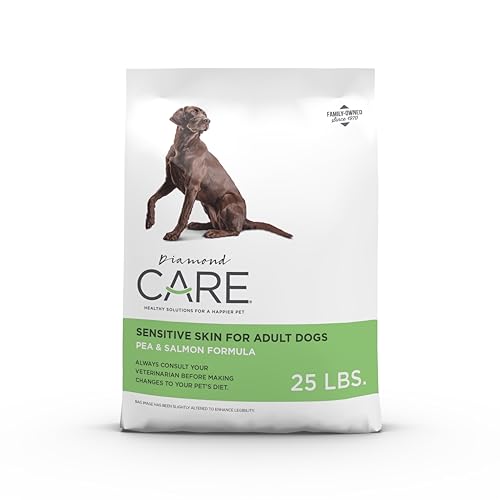
Pros
- Hydrolyzed single-protein salmon formula helps reduce allergy flare-ups and incessant scratching
- Fortified with guaranteed levels of GI-friendly probiotics and coat-nourishing omega fatty acids
- Formulated without common trigger proteins like chicken or beef
- Made in the USA by a trusted family-owned pet nutrition brand
Cons
- Hydrolyzed salmon aroma and flavor profile may not appeal to exceptionally picky dogs
- Priced higher per pound than standard adult maintenance kibble formulas
- The heavy 25-pound bag can be cumbersome to lift and transfer without a dedicated storage bin
Diamond Care Sensitive Skin Formula is a specialized adult dry kibble crafted specifically for dogs that experience frequent skin irritation, chronic scratching, and sensitive digestive tracts. Built around a single animal protein source, this recipe uses hydrolyzed salmon, meaning the protein molecules are broken down into smaller components that are far less likely to trigger an immune or allergic response. For pet parents dealing with constant vet visits over itchy paws, dry flaking coats, or unexplained tummy trouble, this limited-ingredient diet offers a targeted nutritional solution.
This formulation is best suited for adult dogs across all breed sizes, especially rescue dogs, apartment dwellers, and active outdoor companions showing signs of environmental or dietary intolerances. It serves multi-dog households and budget-conscious caregivers seeking a reliable, specialized diet without necessarily requiring a formal veterinary prescription. Whether managing an itchy golden retriever or a French bulldog prone to digestive upset, owners can lean on this gentle kibble to provide complete daily sustenance while avoiding common culinary triggers.
Managing a dog with persistent skin allergies often means balancing topical shampoos with what goes into the food bowl. Product specifications emphasize guaranteed levels of omega-6 and omega-3 fatty acids, which directly support the epidermal barrier and help restore a shiny, supple coat over time. Concurrently, proprietary live probiotics developed to survive gastric acid work within the digestive tract to maintain stool consistency and smooth digestion, which is a major relief for owners cleaning up after daily neighborhood walks.
Produced in the United States by a family-owned operation, the recipe adheres to strict quality controls using responsibly sourced global and domestic ingredients. The formula avoids conventional animal protein blends like chicken, beef, or poultry byproducts, which frequently trigger canine skin flare-ups. In addition to essential fatty acids, the food is fortified with vitamin E antioxidants to reinforce cellular immunity, ensuring adult dogs maintain full vitality despite having a restricted ingredient profile.
Integrating this food into a dog's feeding routine requires a standard gradual transition over seven to ten days to avoid sudden gastrointestinal shifts. The 25-pound bag should be kept sealed in an airtight food storage container to lock in kibble freshness and protect the delicate omega fatty acids from oxidation. As a realistic consideration, hydrolyzed fish proteins have a distinct aroma and taste that some finicky eaters might hesitate to accept at first. Additionally, the specialized processing makes it pricier than basic maintenance kibble.
For dog parents searching for an accessible, limited-ingredient kibble that targets both coat irritation and stomach distress, Diamond Care Sensitive Skin provides a practical, well-balanced choice. It removes much of the guesswork from feeding allergy-prone adult dogs, delivering targeted skin support and digestive comfort in every measured scoop.
The standout advantage of this dry kibble lies in its hydrolyzed salmon protein structure. By breaking the protein down into microscopic peptides, the dog's immune system is far less likely to identify the ingredient as an allergen, significantly lowering the chance of hot spots, hives, and ear redness.
Beyond protein management, the guaranteed levels of omega fatty acids actively reinforce the canine skin lipid barrier. This helps retain moisture in dry, flaky skin and stimulates follicles for improved shedding management and coat luster. The addition of viable probiotics ensures gut flora balance, leading to firmer stools and superior nutrient absorption.
Caregivers should always transition to this sensitive skin diet slowly by mixing increasing portions with the dog's previous food over a week to ten days. This gradual introduction helps sensitive stomach linings adapt comfortably to the new hydrolyzed protein and probiotic cultures.
To maintain peak safety and nutritional potency, store the dry food in a cool, dry pantry inside a food-safe container with an airtight seal. Ensuring clean, fresh water is available at all times will further assist the digestive process and keep skin cells properly hydrated throughout the day.

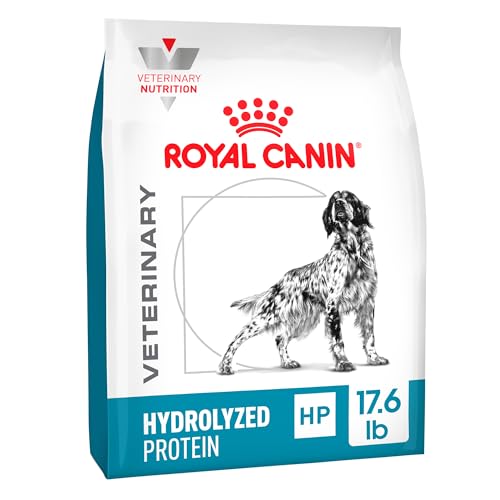

The Mechanics, Applications, and Selection of Hydrolyzed Canine Nutrition
Hydrolyzed dog food is a specialized therapeutic diet where proteins undergo an advanced biochemical breakdown to prevent adverse immune reactions in canines. When dogs develop food allergies or food intolerances, their immune system mistakenly recognizes specific protein chains as hostile invaders. Enzymatic hydrolysis dismantles these intact protein macromolecules into tiny peptides and constituent amino acids. Because these minute fragments are physically too small to bridge IgE antibodies, the dog absorbs vital amino acids without developing customary allergic symptoms.
The Biochemical Process of Protein Hydrolysis
Proteins in canine diets exist as folded structures composed of amino acids linked by peptide bonds. During enzymatic hydrolysis, water and specialized food-grade proteolytic enzymes break these chemical bonds under controlled conditions. This targeted cleavage mimics natural gastrointestinal digestion before the dog consumes the food. The result is a purified mixture dominated by short-chain oligopeptides, dipeptides, and free amino acids.
Manufacturers measure protein breakdown by tracking molecular weight in Daltons. Intact dietary protein molecules found in common meats like chicken, beef, or lamb usually range between 15,000 and 70,000 Daltons. Effective canine hydrolyzed formulas reduce peptide fragments to well below 10,000 Daltons, often targeting sizes under 3,000 Daltons. These small peptide dimensions ensure that the digestive system absorbs nutrients efficiently while avoiding mucosal immune surveillance.
Why Intact Dietary Proteins Trigger Allergic Reactions
Canine food allergies arise when the immune system mounts a hypersensitivity response against harmless dietary antigens. When a sensitized dog consumes an intact protein, mast cells coated with immunoglobulin E antibodies identify specific antigenic epitopes. An allergic reaction requires two adjacent IgE antibodies on a mast cell to bind simultaneously to distinct epitopes on a single protein molecule. This cross-linking process immediately triggers mast cell degranulation, releasing histamines and other inflammatory mediators into surrounding tissues.
The physical consequences of this immune cascade manifest across the skin and digestive tract. Affected dogs frequently suffer from intense pruritus, manifesting as foot chewing, facial rubbing, chronic ear infections, and recurrent hot spots. Gastrointestinal manifestations often include chronic vomiting, soft stools, increased fecal frequency, and abdominal cramping. By reducing protein structures below the dimensions required to cross-link two IgE receptors, hydrolyzed diets prevent this inflammatory cascade from initiating.
Hydrolyzed Soy versus Animal Protein Sources
Manufacturers utilize distinct protein bases to produce hydrolyzed therapeutic formulas, with soy protein isolate serving as an industry benchmark. Formulas such as the ROYAL CANIN Veterinary Diet Canine Hydrolyzed dry food rely on hydrolyzed soy protein composed of low molecular weight peptides. Soy provides a consistent, highly digestible amino acid profile that can be cleaved with remarkable biochemical precision. Because soy is rarely the primary protein in grocery pet diets, sensitized dogs also have a lower baseline exposure history.
Other specialized formulations select novel animal proteins as their base source to achieve similar hypoallergenic goals. For example, the DIAMOND CARE Sensitive Skin Adult Dry Dog Food utilizes protein from single-source hydrolyzed salmon alongside guaranteed omega fatty acids. Similarly, the SquarePet Veterinarian Formulated Solutions dry dog food incorporates a hydrolyzed pork flavor in a limited-ingredient framework. These animal-based options offer alternative palatability profiles for dogs that hesitate to accept soy-derived kibble while preserving the physiological benefits of peptide reduction.
Veterinary Diets versus Over-the-Counter Hydrolyzed Formulas
Pet parents often discover a clear dividing line between prescription veterinary therapeutic diets and over-the-counter options available without clinic authorization. Veterinary-exclusive diets, including the Royal Canin Veterinary Diet lineup, require veterinarian approval because they are formulated to manage diagnosed medical conditions. These veterinary manufacturers operate dedicated production facilities with rigorous cleaning protocols designed to prevent cross-contact with common animal proteins like chicken or beef. Their strict quality control standards ensure that no stray intact proteins contaminate the finished product.
Over-the-counter alternatives offer accessible options for households seeking dietary relief without clinic authorizations. The SquarePet Veterinarian Formulated Solutions diet explicitly positions itself as a premium alternative to veterinary diets without requiring a prescription. While these commercial options provide hydrolyzed proteins and limited carbohydrate sources, manufacturing tolerances on open retail lines may differ from medical-grade therapeutic facilities. Evaluating whether an over-the-counter formula meets your dog’s clinical needs depends on the severity of your dog’s underlying hypersensitivity.
The Critical Role of Hydrolyzed Diets in Elimination Food Trials
Veterinary dermatologists consider an elimination food trial using a hydrolyzed protein diet to be the gold standard method for diagnosing adverse food reactions. Blood tests and skin prick tests for canine food allergies remain notorious for producing false positives and false negatives. During a diagnostic dietary trial, the dog must consume the hydrolyzed formula exclusively for eight to twelve weeks. This extended duration allows lingering inflammatory mediators in the skin and gut lining to dissipate completely.
A dietary trial demands total commitment from every member of the household to yield clear, actionable diagnostic results. A single bite of conventional table scraps, a flavored medication, or an unapproved chew toy introduces intact proteins that restart the diagnostic clock. Pet owners managing systemic health issues must evaluate concurrent remedies carefully, ensuring that products like bladder health supplements for dogs carry no hidden beef liver, poultry flavoring, or unhydrolyzed gelatin carriers. If symptoms resolve during strict feeding, a structured dietary rechallenge confirms whether specific food proteins were truly the causative trigger.
Comparing Dry Kibble with Canned Hydrolyzed Loaf Formulations

Choosing between dry kibble and canned wet food formats depends on a dog’s chewing capabilities, hydration requirements, and personal palatability preferences. Dry formulations, such as the Royal Canin Veterinary Diet Canine Hydrolyzed dry dog food in the 17.6 lb bag, offer convenient storage and measured portioning for busy households. Dry kibble also provides mechanical mastication benefits and fits easily into puzzle toys for mental stimulation. Many dog owners prefer large bag sizes to establish dependable shipping intervals and consistent pantry reserves.
Wet formulas provide an essential alternative for dogs suffering from reduced appetite, dental discomfort, or finicky feeding behaviors. The ROYAL CANIN Veterinary Diet Canine Hydrolyzed Adult Loaf wet dog food delivers low molecular weight peptides in an aromatic, soft texture that stimulates interest at mealtime. Wet food also introduces substantial moisture, supporting daily hydration and aiding dogs that struggle with dense kibble textures. Pet owners can also pursue mixed feeding by incorporating a spoonful of loaf into dry kibble, creating an appetizing meal while maintaining strict hypoallergenic parameters.
Targeted Nutrition for Small Breeds with Sensitivities
Small breed dogs present distinct physiological traits that influence how therapeutic diets should be shaped and balanced. Toy and miniature breeds have smaller oral cavities and delicate jaw structures that struggle with standard, oversized kibble pieces. The ROYAL CANIN Veterinary Diet Canine Small dry food specifically targets adult dogs under 22 lb with tailored kibble dimensions. The precise size and texture encourage small dogs to chew thoroughly, creating a mild brushing effect that helps manage plaque accumulation on crowded teeth.
Beyond mechanical chewing needs, small dogs frequently face elevated risks for lower urinary tract complications alongside dermatological complaints. The small-breed Royal Canin hydrolyzed formula actively addresses this vulnerability by promoting a urinary environment unfavorable to both struvite and calcium oxalate crystal development. Balancing mineral ratios to maintain targeted urinary pH ensures that owners do not solve a skin problem while inadvertently encouraging bladder stones. This multi-system approach illustrates how modern veterinary formulations combine hypoallergenic protein processing with breed-specific metabolic safeguards.
Skin Barrier Support and Fatty Acid Fortification
Resolving canine food sensitivities requires more than simply eliminating offending protein allergens from the daily food bowl. Chronic allergic inflammation breaks down the stratum corneum, compromising the skin’s natural protective barrier and allowing environmental allergens or bacteria to penetrate. Premium hydrolyzed diets actively fortify the dermal barrier through targeted blends of essential nutrients. Formulations like Royal Canin Hydrolyzed Protein integrate specific B vitamins and amino acids to reinforce cellular cohesion across the epidermis, reducing transepidermal water loss.
Essential omega fatty acids play an equally vital role in dampening systemic inflammatory pathways throughout the canine body. The ROYAL CANIN Veterinary Diet Canine Hydrolyzed dry food enriches its recipe with eicosapentaenoic acid (EPA) and docosahexaenoic acid (DHA). Similarly, the DIAMOND CARE Sensitive Skin Adult Dry Dog Food features guaranteed levels of antioxidant vitamin E and omega fatty acids derived from salmon. These long-chain fatty acids integrate directly into canine cell membranes, modulating the production of inflammatory eicosanoids and encouraging a healthier coat.
Digestive Flora and Gastrointestinal Health Benefits
Food sensitivities often manifest as invisible inflammation within the mucosal lining of the stomach, small intestine, and colon. Hydrolyzed proteins offer a dual advantage for compromised digestive tracts because low molecular weight peptides require minimal enzymatic effort to absorb. By easing the metabolic workload on the digestive organs, these diets allow irritated intestinal villi to rest and regenerate. This high digestibility reduces osmotic fluid shifts in the bowel, which directly curbs acute diarrhea and excessive gas production.
Formulations also combine soluble and insoluble fibers with targeted gut-supportive ingredients to stabilize intestinal transit times. Royal Canin includes a balanced prebiotic fiber blend to nourish beneficial gut microflora and maintain healthy colonocyte function. Meanwhile, Diamond Care incorporates proprietary, guaranteed viable probiotics formulated to survive gastric acidity and thrive within the intestinal lumen. Supporting the microbiome alongside hypoallergenic protein feeding helps re-establish immune tolerance, dampening hyperactive inflammatory responses that originate in the digestive tract.
Preventing Cross-Contamination and Managing Daily Feeding
Maintaining a strict hydrolyzed feeding regimen requires meticulous household protocols to prevent accidental allergen exposure. Kibble scoops, feeding bowls, and storage containers must be cleaned thoroughly and dedicated entirely to the sensitive dog. Pet owners often overlook incidental protein sources, such as multi-pet cross-feeding where a dog sneaks a mouthful of the household cat’s kibble. Even flavored flea preventatives, chewable heartworm tablets, or gelatin-coated capsules can deliver sufficient intact protein to trigger an allergic flare.
Treat administration during an elimination trial or long-term management requires exceptional discipline from family members and visitors. If snacks are necessary for positive reinforcement training, owners should feed reserved kibbles taken directly from the daily measured hydrolyzed ration. When investigating supplementary foods, pet parents must verify clinical safety rather than guessing, keeping golden berry safety considerations and general food toxicity rules in mind. Manufacturer-approved hydrolyzed treats, such as Royal Canin Hydrolyzed Protein Treats, provide safe alternatives that align seamlessly with therapeutic feeding goals.
Transition Protocols and Monitoring Clinical Progress
Switching a dog with gastrointestinal fragility to a hydrolyzed formula demands a deliberate transition schedule over seven to ten days. Sudden dietary shifts can shock an already inflamed digestive tract, resulting in temporary loose stools or nausea that owners might mistake for food intolerance. On days one and two, mix roughly twenty-five percent of the new hydrolyzed diet with seventy-five percent of the previous food. Gradually increase the ratio to fifty percent by day four, seventy-five percent by day seven, and one hundred percent by day ten.
Tracking clinical progress requires patience and systematic observation across several physiological markers. Gastrointestinal improvements, such as firmer stool consistency, reduced fecal frequency, and decreased flatulence, often become apparent within two to four weeks. Dermatological signs take considerably longer because canine skin cells require several weeks to turn over and shed inflammatory mediators. Owners should monitor daily scratching frequency, inspect ear canals for redness or odor, and photograph lingering hot spots weekly to evaluate healing trends objectively.
Long-Term Nutritional Adequacy and Veterinary Guidance
A common concern among pet owners is whether hydrolyzed diets provide complete and balanced nutrition for lifelong daily maintenance. Reputable commercial and veterinary hydrolyzed formulas are carefully engineered to meet established nutritional adequacy profiles for adult canine maintenance. Products like the ROYAL CANIN Veterinary Diet Canine Hydrolyzed dry food deliver complete amino acid arrays, essential minerals, and balanced fatty acids suitable for sustained feeding. Dogs diagnosed with irreversible dietary hypersensitivities frequently thrive on these therapeutic diets for years without experiencing nutritional deficiencies.
Routine veterinary checkups remain essential for evaluating ongoing systemic health and reassessing dietary needs as your dog ages. Periodic physical examinations, annual blood work, and body condition scoring ensure that the chosen caloric intake aligns with changing activity levels and metabolic requirements. Whether your dog relies on a veterinary-exclusive formula or an over-the-counter alternative like SquarePet, maintaining close communication with your veterinarian ensures that therapeutic goals are consistently met. Hydrolyzed nutrition provides a reliable, scientifically validated pathway toward restoring comfort, digestive stability, and skin health for food-sensitive companions.


Write Your Review
No reviews yet. Be the first to share your experience!