


Offer a measured portion of food that’s appropriate for your dog’s life stage, follow the package directions, and keep fresh water available. For how to give dog food, the practical answer depends on the food’s feeding instructions, your dog’s needs, and whether the food is a complete meal or a treat.
Start by reading the label rather than estimating a serving by sight. Check whether the food is intended for your dog’s life stage, whether it’s labeled complete and balanced, and how the feeding guide says to portion it. A package’s directions are a starting point, not an individualized prescription, so observe your dog’s condition and ask for professional guidance when health needs complicate feeding.
Routine matters, but safety matters too: keep portions consistent, store food as directed, and introduce dietary changes carefully. A quick reference on safe tuna feeding for dogs can help when you’re considering human food alongside regular meals. For other foods you may be tempted to share, see this guide to possible risks from dogs eating cockroaches.

Pros
- Clear split between safe and dangerous foods helps prevent accidental table-scrap poisoning
- Strong soft magnetic backing holds firmly against magnetic kitchen surfaces
- Dedicated space to write down emergency veterinary phone numbers
- Large, brightly colored design makes kitchen reference quick and readable from a distance
Cons
- Does not stick to non-magnetic stainless steel refrigerators without an alternate adhesive
- Serves as a general reference tool and does not provide individualized portion or calorie calculations
- Coated paper finish may require specific permanent markers or pens to write emergency contact details cleanly
The BOXOB Dog Feeding Chart Fridge Magnet is a specialized canine feeding accessory designed to provide quick nutritional safety guidance right where food preparation happens. Measuring 9.75 by 6.75 inches, this magnetic placard displays a clear breakdown of everyday foods dogs can safely eat alongside ingredients that are toxic or hazardous to canines. It is tailored for households with puppies, adult dogs, or seniors where multiple family members, roommates, or pet sitters participate in daily feeding routines.
Rather than functioning as a pet food formula itself, this chart serves as a practical safeguard against accidental toxicity from human table scraps and kitchen prep scraps. The guide categorizes common kitchen ingredients, helping pet owners verify whether a dropped item or treat is safe before offering it to their dog. It also includes an integrated emergency section where caregivers can write down the contact numbers for their primary veterinary clinic and local emergency hospital.
The build quality relies on a durable combination of coated paper and a full-surface soft magnetic backing. At roughly 0.15 pounds, the chart is lightweight yet substantial enough to remain flat against a refrigerator door without curling at the corners. The coated paper layer provides protection against common kitchen splashes and resists fading, while the vibrant color coding separates safe choices from dangerous foods at a glance.
Integrating this magnetic reference into a daily feeding routine simplifies communication across the entire household. When family members or guests are tempted to share snacks from the kitchen counter, having a visible list prevents accidental exposure to dangerous foods such as onions, grapes, or chocolate. It also streamlines pet care during vacations or long workdays by giving dog sitters an instant safety reference without needing to consult a phone or manual.
Caregivers should keep practical boundaries in mind when using this feeding accessory. The chart offers broad food-safety guidance but cannot replace individualized veterinary care, clinical dietary plans, or canine allergy management. In addition, households with non-magnetic stainless steel appliances will need a separate magnetic board or metal surface to display the sign effectively.
Overall, the BOXOB Dog Feeding Chart Fridge Magnet offers high practical utility for dog parents seeking a straightforward, reliable kitchen safeguard. It makes a sensible addition to any puppy-proofing checklist, shared family kitchen, or foster home where canine safety around food preparation is a continuous priority.
This magnetic chart mounts directly on kitchen refrigerators to keep human food safety boundaries visible during daily cooking and meal preparation. The quick visual layout allows family members to check whether an ingredient is safe for canines in seconds without searching through feeding manuals.
By displaying emergency veterinary information directly on the front panel, the sign provides vital reassurance for pet sitters, dog walkers, and busy households during unexpected situations.
The package contains one BOXOB Dog Feeding Chart Fridge Magnet measuring 9.75 by 6.75 inches (24.76 by 17.14 cm).
The product features a full soft magnetic backing layered with printed, coated paper designed to adhere flatly to magnetic appliances and metal boards.

Pros
- Large, easy-to-read 8.5 x 11-inch layout with high-definition, organized visual sections
- Full-back magnet provides solid surface grip on magnetic refrigerators without slipping
- Laminated surface resists humidity, spills, and grease with easy wipe-clean maintenance
- Includes prominent emergency animal poison control phone numbers directly on the chart
- Clarifies basic preparation steps such as cooking and peeling for dog-safe human foods
Cons
- Requires a magnetically receptive refrigerator door or metal surface to mount
- Does not replace professional emergency veterinary triage or personalized dietary advice
- Fixed print layout cannot be customized for individual dog food allergies or specific medical diets
The Geabylou Safe and Toxic Foods Chart Fridge Magnet is a specialized canine safety and feeding accessory designed for everyday kitchen use. Measuring 8.5 by 11 inches, this reference guide is formatted as a full-back flexible magnet intended to adhere to most standard magnetic refrigerator doors. Rather than functioning as a commercial food product, it serves as a visual guide for dog owners, puppy parents, and busy families who frequently need to verify whether common table foods, fruits, or vegetables are safe to share with their dogs.
From a feeding safety perspective, the chart organizes nutritional information using a three-tier risk grading system. This setup helps caregivers quickly distinguish between dog-safe ingredients, borderline items requiring caution, and hazardous ingredients that should never be fed to dogs. It also includes basic preparation guidelines for safe human foods, such as the need for peeling or thorough cooking, to help reduce the chance of dietary mishaps. A built-in toxicity reference highlights common symptoms associated with accidental ingestion, helping owners evaluate whether immediate professional medical care is warranted.
In terms of build quality and format, the chart is constructed from a 0.1-inch thick flexible magnetic sheet weighing approximately 0.3 pounds. The front features high-definition, color-coded printing covered by a clear laminated finish. This protective coating provides humidity resistance, which is especially useful in kitchen environments where steam, moisture, and cooking splatters are common. When dirt or spills occur, the surface can be wiped clean quickly with a damp cloth without smudging the underlying text or dulling the print.
For daily routines, having this feeding guide on the refrigerator simplifies meal prep and snack sharing. Dog owners often find themselves wondering whether a stray piece of fruit, vegetable, or scrap meat can be offered as a meal topper or treat. Having the information prominently displayed allows family members, guests, and dog sitters to double-check ingredients without searching online. Furthermore, the inclusion of three animal poison control hotlines provides immediate access to emergency contact numbers if a pet accidentally consumes something toxic.
While this safety chart is a practical kitchen reference, it has realistic limitations. The full-back magnet will not stick to non-magnetic stainless steel appliances, meaning some owners may need an alternative metal surface or magnetic board. Additionally, while the chart provides general canine safety guidelines, it does not replace professional veterinary consultation, individual dietary planning, or emergency clinical intervention. Dogs with specific chronic medical conditions, gastrointestinal sensitivities, or pancreatitis may still react poorly to foods labeled as generally safe.
For new puppy owners, multi-member households, or anyone who wants a clear, durable reminder of canine feeding boundaries, the Geabylou Safe and Toxic Foods Chart is an affordable, well-organized safety accessory. Its wipeable finish, strong magnetic grip, and clear emergency hotline section make it a sensible addition to any dog-friendly kitchen.
This magnet acts as a functional feeding aid during daily kitchen routines, offering immediate answers before owners offer fresh toppers, raw ingredients, or table scraps to their pets. Its quick-scan layout uses color coding and distinct categories so family members can confirm whether an item is safe in seconds.
By detailing basic preparation requirements like peeling and cooking, the chart helps reduce accidental choking hazards or digestive distress caused by improper food handling. It is especially handy for households with children or pet sitters who may not be familiar with canine toxicity rules.
The Geabylou chart measures 11 inches by 8.5 inches by 0.1 inches and weighs roughly 0.3 pounds. Its full-coverage magnetic backing allows it to mount flat against magnetic refrigerators, freezers, or metal pantry panels without needing separate clips or adhesives.
The durable laminated finish ensures the chart remains legible over time, resisting household moisture, kitchen humidity, and food splashes. Regular maintenance simply involves wiping the surface clean with a damp towel or cloth.

Pros
- Convenient 6 x 0.95 x 9-inch paperback format fits easily on kitchen counters or bookshelves
- Offers structured guidance and eleven key principles for homemade food and treat preparation
- Inspires dog owners to understand fresh ingredients and DIY feeding alternatives
- Useful educational reference to keep on hand when planning canine meal toppers and snacks
Cons
- As an educational book, it does not supply physical, ready-to-serve food or pre-portioned nutrition
- Preparing home-cooked dog food requires dedicated kitchen prep time, ingredient sourcing, and veterinary consultation to ensure nutritional adequacy
- External specifications do not list specific included recipes or targeted dog life stages
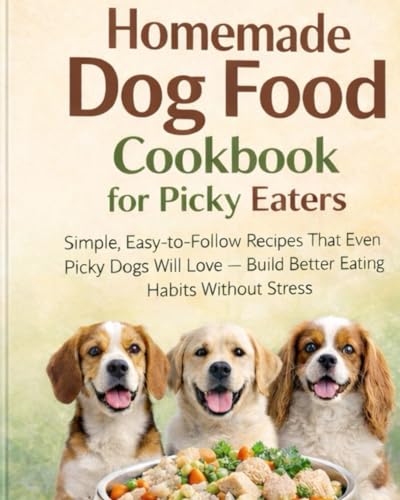
Wholesome Canine Cuisine Homemade Healthy Dog Food and Treats: Eleven Secrets: How to Give Your Best Friend Thriving Health and Longevity is a dedicated paperback reference book published by Lindesa. Positioned within canine care and wellness, this product is an instructional guide rather than an off-the-shelf commercial dog food, wet can, or ready-made treat pouch. It caters to dog owners, puppy parents, and senior-dog caregivers who want to explore the principles of preparing fresh, home-cooked food and wholesome canine snacks in their own kitchens.
Because this product is a published reading volume rather than a manufactured pet food, it does not carry an AAFCO nutritional adequacy statement, crude protein guarantee, or standard guaranteed analysis panel on the cover. Instead, its content focuses on eleven guiding concepts or secrets aimed at supporting canine vitality through thoughtful culinary preparation. It provides an educational baseline for pet parents evaluating fresh ingredients, whole foods, and customized feeding options beyond standard commercial kibble.
In terms of physical format and handling, the book features standard paperback binding with dimensions of 6 inches wide, 0.95 inches thick, and 9 inches high, weighing approximately 1.23 pounds. This footprint makes it practical to keep open on kitchen countertops while measuring ingredients, chopping vegetables, or baking dog biscuits. The physical binding ensures pet owners can easily highlight passages, place bookmarks, and reference preparation notes across daily or weekly cooking routines.
Integrating home-prepared recipes into an everyday dog-feeding routine requires careful kitchen hygiene, portion planning, and proper storage. Owners experimenting with home-cooked dog food or DIY treats must safely store fresh meals in airtight containers, refrigerate perishable items, and freeze larger batches to maintain quality. Feeding home-cooked snacks alongside a dog's primary diet also involves mindful portion control to avoid unintentional overfeeding or dietary imbalances.
A realistic consideration when using any homemade dog food literature is ensuring that long-term meals fulfill all essential canine nutritional requirements. Formulating a complete and balanced homemade diet requires appropriate balances of proteins, fats, vitamins, and minerals specific to a dog's life stage, size, and individual health profile. Pet owners should view this book as an informational resource and consult a primary veterinarian or veterinary professional before fully replacing an established commercial diet with homemade meals.
For dedicated dog caregivers seeking to expand their knowledge of home-cooked cuisine and wholesome treat crafting, Wholesome Canine Cuisine offers an accessible, structured guide. While managing homemade dog food demands extra kitchen effort, ingredient sourcing, and professional oversight, this paperback serves as a motivating reference for owners passionate about proactive canine wellness.
This publication features a paperback binding measuring 6 by 0.95 by 9 inches and weighs approximately 1.23 pounds, making it a substantial yet manageable addition to any pet owner's bookshelf or kitchen cooking station.
The book is categorized under Care & Health and focuses on homemade food recipes, treat making, and nutritional principles tailored to domestic canines.
Owners planning to prepare home-cooked items should ensure they have standard kitchen measuring tools, food scales, and airtight food-grade storage containers available to safely preserve prepared batches.
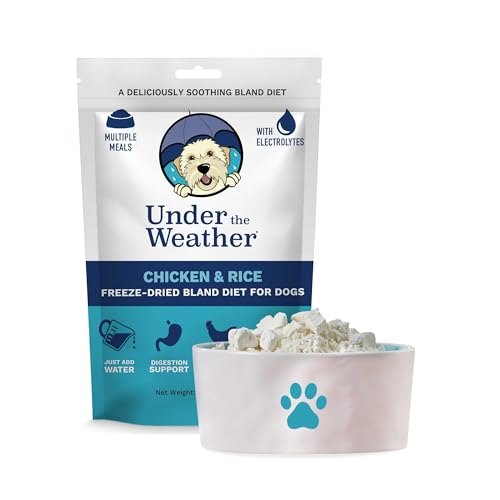
Pros
- Rapid preparation saves pet parents from boiling chicken and rice during stressful stomach episodes
- Includes vital electrolytes to support hydration after bouts of diarrhea or vomiting
- Clean, human-grade ingredients sourced and manufactured in the USA without common fillers
- Long 3-year shelf life provides peace of mind for sudden pet emergencies
Cons
- A single 6-ounce pouch will be consumed quickly by large or giant breed dogs
- Designed only for short-term digestive rest rather than long-term complete daily nutrition
Under the Weather Bland Diet is a shelf-stable, freeze-dried meal formulated specifically for dogs enduring acute gastrointestinal distress. When a dog develops sudden vomiting or diarrhea, veterinarians frequently suggest a bland diet of boiled poultry and plain rice to soothe the gut lining. Instead of spending hours buying fresh ingredients, boiling meats, and skimming grease during a messy episode, this ready-to-use pouch offers an instant, balanced alternative that rehydrates in minutes.
This emergency meal is especially helpful for new puppy parents dealing with delicate digestive systems, senior dog owners managing medication-induced nausea, and pet parents who travel frequently. Rescue dogs transitioning to new homes or anxious pups prone to stress-induced loose stools also benefit from having a gentle food source on hand. It allows pet parents to act immediately at odd hours of the night when grocery stores and veterinary clinics are closed.
Performance centers on ingredient purity and digestive comfort. The recipe features 100% human-grade white meat chicken sourced from cage-free birds raised without hormones or antibiotics, combined with easily digestible white rice. Notably, the formula includes a targeted electrolyte blend. Because dehydration is a major risk during digestive upset, these added electrolytes help replenish lost fluids and restore cellular balance more effectively than home-cooked plain rice alone.
Using the product is straightforward and cleanly fits into busy household routines. You simply measure the required portion, stir in boiling water, and let the mixture steep until fully softened. After allowing it to cool to room temperature, it can be served directly in a standard dog dish. Unlike oily canned digestive foods or greasy boiled meats, this freeze-dried mixture leaves minimal residue in dog bowls, making cleanup with basic soap and water fast and simple.
A practical consideration is portion size for larger canines. While a 6-ounce pouch provides several meals for small breeds or young puppies, owners of Golden Retrievers, German Shepherds, or Mastiffs will likely exhaust a single pouch across just one or two feedings. Additionally, pet parents should remember that this formula is intended strictly as temporary therapeutic nutrition to rest the stomach, not as a permanent, fully balanced maintenance diet for everyday feeding.
For any household looking to prepare for inevitable tummy troubles, keeping a pouch of Under the Weather in the pantry is a practical, low-stress choice. It removes the guesswork and culinary cleanup from sick-dog care while delivering clean, veterinarian-recommended nourishment that helps dogs bounce back comfortably.
Digestive upsets deplete your dog of critical moisture and essential minerals. By pairing easily absorbed carbohydrates with lean protein, this bland diet relieves workload stress on inflamed intestinal tracts. The gentle texture reduces nausea while delivering accessible calories that do not trigger further bowel contractions.
The integrated electrolyte blend plays an essential therapeutic role. Puppies and older dogs can deteriorate rapidly when fluid loss outpaces intake. Offering electrolytes directly within an appetizing, savory chicken broth encourages natural hydration and aids in maintaining optimal cellular hydration during recovery.

Pros
- Human-grade ingredients sourced and cooked in the USA using cage-free chicken
- Free from artificial additives, fillers, corn, wheat, soy, and glycerin
- Tender, slow-cooked texture breaks easily by hand into bite-sized training pieces
- Apples provide a natural source of antioxidants and subtle sweetness dogs enjoy
Cons
- Softer sausage texture does not provide long-lasting occupation for aggressive chewers
- Tender links can dry out if the pouch is not completely sealed after opening
- Priced slightly higher than standard mass-market commercial dog biscuits
Full Moon Chicken Apple Sausage Dog Treats represent a thoughtfully crafted, human-grade snack designed to give dogs the wholesome nourishment of real, identifiable food. Cooked in artisanal small batches, these sausage treats combine cage-free chicken raised on American farms with dried apples and natural rosemary extract. Pet parents increasingly prioritize what goes into their dog's bowl, and these treats bridge the gap between high-reward taste and clean, kitchen-level quality without resorting to artificial binders or animal by-products.
These sausage treats are particularly well-suited for training-focused owners, puppy parents working on obedience manners, and senior dogs that need a softer, easily digestible reward. Because they contain zero grains, corn, wheat, soy, or glycerin, they provide an appealing option for dogs struggling with food sensitivities or delicate stomachs. Multi-dog households and apartment dwellers will appreciate having a high-value treat on hand that holds canine attention during distraction-heavy neighborhood walks or focused crate training.
From an enrichment and behavioral standpoint, real meat flavor offers immediate motivation. The slow-cooking oven process creates a moist, savory texture with an enticing natural aroma that can turn stubborn pullers into attentive walking partners. Unlike rock-hard biscuits, these sausage links are tender enough to slice or snap by hand into tiny training nibbles. This makes portion control effortless, preventing excess calorie consumption while maintaining steady engagement during repeat recall or potty training drills.
Safety and ingredient transparency remain paramount in pet care, and Full Moon addresses this by adhering strictly to USDA human-consumption standards. The exclusion of glycerin is a notable benefit, as many commercial soft treats rely on chemical humectants to retain moisture. By relying on slow baking and natural rosemary extract for freshness, the recipe delivers peace of mind for conscientious owners who scrutinize ingredient panels for hidden fillers.
While these treats excel in flavor and ingredient purity, their softer composition means they will not serve as extended-chew entertainment for aggressive chewers in need of jaw workouts. To preserve moisture and prevent the links from hardening, dog parents should press the resealable pouch firmly shut after each use. For owners seeking a wholesome, USA-made reward that balances clean nutrition with irresistible appeal, Full Moon Chicken Apple Sausage is a dependable addition to any daily dog care routine.
Using high-value rewards can significantly accelerate learning during obedience drills, puppy housebreaking, and leash manners training. Because these sausages feature a potent, natural chicken aroma, they help keep high-energy dogs focused even in distracting outdoor environments.
The tender consistency allows owners to quickly break individual links into pea-sized bites. This ensures fast delivery during rapid-fire repetitions without filling your dog up or interrupting the flow of your training session.
Crafted without grains, corn, wheat, or soy, this recipe supports clean digestion for dogs prone to food allergies or upset tummies. The inclusion of real apples provides dietary fiber alongside natural antioxidants to support immune function.
By completely eliminating glycerin and artificial preservatives, these treats offer pure, nutrient-dense calories sourced from cage-free, USDA-inspected chicken that supports lean muscle maintenance across all life stages.

Pros
- Quick visual reference prevents accidental ingestion of toxic items like grapes, chocolate, and onions.
- Includes essential pet poison control phone contacts and write-in space for emergency vet numbers.
- Durable vinyl material is easy to wipe clean after accidental kitchen spills or cooking splatters.
- Helps family members and dog sitters make confident decisions when sharing healthy dog-safe treats.
Cons
- Does not stick to non-magnetic stainless steel refrigerators or textured kitchen surfaces.
- Writing space for custom vet contact details requires a fine-tip permanent marker to avoid smudging.
- Focuses on common household items rather than uncommon exotic foods or detailed portion sizes.
The Emmy's Best Dog Feeding Chart Fridge Magnet is a dedicated pet safety guide designed to eliminate the guesswork around canine nutrition in busy home kitchens. Measuring 9.75 inches by 6.75 inches, this magnetic visual reference mounts directly onto magnetic refrigerators, dishwashers, or metal notice boards. It serves as an immediate visual barrier between your dog and common kitchen toxins, making it an ideal investment for new puppy parents, busy multi-dog households, roommates, and pet owners who frequently rely on dog sitters, dog walkers, or visiting family members.
Accidental poisoning is one of the most common veterinary emergencies, often caused by well-meaning household members offering table scraps without knowing the risks. This chart categorizes foods into clear sections, clearly separating canine-friendly whole foods like carrots, apples, and lean meats from dangerous hazards such as grapes, raisins, onions, garlic, chocolate, and sweeteners like xylitol. Pet owners who enjoy supplementing dry kibble with fresh, nutritious table foods can make swift decisions during dinner prep without stopping to search the internet with messy hands.
Beyond everyday meal choices, the magnet functions as a critical home safety hub in urgent situations. It prominently displays contact numbers for three national pet poison control centers, alongside a designated blank space to write down your local veterinarian and emergency clinic phone numbers. When unexpected accidents happen and stress levels run high, having essential veterinary contacts readily available saves precious minutes that could otherwise be wasted searching for phone records.
Constructed from resilient vinyl with a strong magnetic sheet, the chart is built to handle typical kitchen environments. Food splatters, steam, and sticky fingerprints can be easily wiped away with a damp cloth without degrading the vibrant, high-contrast printing. The layout utilizes friendly, colorful pet graphics that look cheerful on the fridge while keeping typography clear enough for children and older family members to read effortlessly at a glance.
A practical limitation to consider is refrigerator compatibility. Many modern brushed stainless steel appliances are non-magnetic, so prospective buyers should verify that their fridge door holds magnets before purchasing, or plan to display the chart on a metal side panel, range hood, or magnetic bulletin board. Additionally, while the chart highlights common everyday foods, it does not provide individual portion control guides or breed-specific caloric requirements, meaning pet parents should still use moderation when sharing safe table treats.
Overall, this magnetic feeding guide provides exceptional daily utility and peace of mind for dog owners across all experience levels. Whether you are puppy proofing your first home, training children on responsible pet ownership, or searching for a practical, inexpensive housewarming gift for a dog lover, this chart combines daily mealtime convenience with potentially life-saving emergency preparedness.
Pet safety starts in the kitchen, where curious dogs and puppy appetites often lead to dangerous scavenging. This feeding chart acts as a household defense system by clearly distinguishing nutritious whole foods from hazardous dietary ingredients. Dog owners can confidently share dog-safe fruits and vegetables for healthy enrichment while ensuring dangerous toxins like onions, raisins, and avocados remain strictly off-limits.
Having direct access to poison control emergency hotlines and local vet numbers right on the front of the refrigerator helps families respond immediately during accidental ingestions. In critical moments, instant visibility can significantly reduce response times and support better medical outcomes for your dog.
Bringing a new puppy home involves a steep learning curve, especially when multiple family members or roommates are involved in daily puppy care. This chart serves as an intuitive training tool for kids and first-time dog parents, teaching everyone which table scraps are acceptable treat rewards and which ingredients pose severe risks to small, developing puppy systems.
It also provides peace of mind whenever you leave your puppy in the care of friends, neighbors, or professional pet sitters. The prominent display ensures that anyone preparing meals or handing out treats respects your puppy's dietary boundaries without needing constant reminders.

Pros
- Real chicken is listed as the number one ingredient for high-quality animal protein
- Dual-texture blend of crunchy bites and tender morsels adds mealtime appeal without requiring extra toppers
- Includes functional nutrient sources for digestive health, joint support, and immune function
- Convenient 8-pound bag size is easy to lift, store, and test before purchasing larger bulk options
Cons
- Formulated strictly for adult dogs and not suitable for puppies or nursing mothers
- Detailed guaranteed analysis percentages and specific calorie counts per cup are not provided in the raw data
- Does not feature a resealable bag closure, requiring a separate storage container or clip to maintain freshness
Purina ONE Chicken and Rice Formula is a dry adult dog food designed for everyday maintenance feeding. Packaged in an 8-pound bag, this recipe is tailored specifically for adult dogs to deliver 100 percent complete and balanced nutrition. It serves American households looking for an accessible, grain-inclusive formula produced by an established pet food brand with widespread retail availability.
The recipe focuses on targeted nutritional support by featuring real chicken as the number one ingredient, aiding lean muscle maintenance and heart health. Carbohydrate sources provide everyday energy for active adult dogs, while a SmartBlend of ingredients incorporates prebiotic fiber to assist microbiome balance and digestive wellness. The formula also includes omega-6 fatty acids, essential vitamins, minerals, and four antioxidant sources to promote coat health and immune function, along with natural glucosamine sources intended to aid joint mobility.
In terms of texture and bowl presentation, this dry dog food combines traditional crunchy kibble with tender, meaty morsels. This dual-texture approach provides textural variety that can encourage consistent eating without the need for separate wet food pouches or meal toppers. Additionally, Purina notes that this food is crafted in company-owned facilities located within the United States, which offers clear manufacturing traceability for quality-minded buyers.
Daily feeding routines with an 8-pound bag are straightforward, particularly for small-to-medium adult dogs or single-dog households. The compact bag dimensions make it easy to pour, handle, and store in smaller pantry spaces or standard pet food bins. When introducing this recipe to a dog, owners should follow a standard multi-day transition schedule by gradually blending increasing portions of the new kibble with the old diet to help maintain stable digestive comfort.
While this diet offers well-rounded adult nutrition, it does carry limitations. It is formulated specifically for adult maintenance and is not labeled for growing puppies, pregnant dogs, or dogs with specific clinical dietary requirements. Furthermore, while the formula includes prebiotic fiber and glucosamine sources, ordinary over-the-counter kibble is not a therapeutic treatment for severe gastrointestinal disorders or advanced canine joint disease, which require personalized veterinary guidance.
For adult dog owners seeking a dependable, domestically crafted dry food with real poultry, microbiome support, and an appealing dual-texture kibble format, Purina ONE Chicken and Rice Formula represents a practical and balanced feeding solution. Its modest 8-pound bag size offers a manageable way to introduce the recipe to your dog's regular meal routine.
Purina ONE Chicken and Rice Formula dry dog food utilizes real chicken as the primary ingredient to supply quality protein for lean muscle support. The recipe combines high-quality carbohydrate sources with prebiotic fiber to foster a balanced gut microbiome and assist nutrient absorption.
The SmartBlend formulation also integrates omega-6 fatty acids, essential vitamins, and minerals targeted toward skin nourishment and coat condition. Immune support is addressed through four distinct antioxidant sources, while natural glucosamine sources are included to provide daily joint maintenance for adult dogs.
This dry dog food recipe features a distinctive dual-texture kibble profile, combining crunchy dry bites with soft, tender meaty morsels. This combination offers varying mouthfeel in every serving, which can help stimulate appetite in dogs that tire of uniform kibble.
The dry format eliminates the mess and refrigeration requirements of wet canned foods, making meal preparation quick and clean. The 8-pound bag is lightweight and practical for apartment living, short-term travel, or keeping an extra backup supply on hand.

A safe, consistent way to serve dog food
Giving dog food well means matching the food to its intended use, measuring a reasonable portion, serving it in a clean bowl, and monitoring how your dog responds. The label supplies essential context, including life-stage suitability, feeding guidance, storage directions, and whether the food is a complete meal or an occasional addition. Use those details as a routine framework, then seek individualized advice when your dog has a medical condition, unusual symptoms, or a prescribed diet.
A feeding routine doesn’t need elaborate steps, but it should be repeatable. Measure food with the same method, avoid casually adding extra calories through treats or table scraps, and make dietary transitions thoughtfully. These habits help you notice changes in appetite, stool, and body condition without assuming that one food or serving amount works for every dog.
Use this short check before serving a meal:
- Confirm the food’s life-stage statement matches the dog it will be fed to.
- Read whether the product is a complete meal, treat, topper, or supplemental food.
- Use the package feeding guide as a starting point rather than guessing portions.
- Check storage directions, especially after opening wet or refrigerated food.
- Keep fresh drinking water available with meals and throughout the day.
Start with the label and intended use
Read the front and back of the package before making a food part of the regular routine. The front may emphasize ingredients or features, but the feeding directions and nutritional adequacy statement clarify how the product is meant to be used. Look for a statement indicating whether it is complete and balanced for a specific life stage, or whether it is intended only as a treat, topper, or supplemental food.
That distinction affects how you serve it. A treat can be offered in limited amounts, but it shouldn’t replace a complete meal unless the label and an appropriate feeding plan support that use. A topper may add flavor or variety, yet it may not provide the full nutrition needed as a dog’s sole diet.
Check life-stage wording carefully. Food labeled for adult maintenance isn’t automatically appropriate as the sole food for a puppy, and a product’s marketing language shouldn’t replace the nutritional statement. If the label is unclear or your dog’s age and health needs don’t fit neatly into its guidance, ask a qualified professional familiar with your dog’s situation.
Ingredient lists and guaranteed analysis provide useful information, but they don’t alone determine the right serving for an individual dog. The listed specifications indicate what the food contains according to its label, while feeding directions connect the product to a suggested amount. Use both, and avoid treating a single ingredient or broad marketing claim as proof that a food is suitable for every dog.
Measure portions and keep the routine steady
Use the feeding guide on the specific package and identify the units it uses, such as cups, cans, or weight. A scoop can be convenient, but scoops vary, so a consistent measuring cup or scale can reduce accidental differences. Follow package directions and account for the fact that treats and extras contribute to daily intake.
Serving frequency and portion size aren’t interchangeable. Dividing a daily amount among meals changes how food is distributed, not necessarily how much the dog should receive overall. Keep a simple record when adjusting a routine, so everyone in a household knows what has already been served.
For a shared feeding routine, agree on who measures meals and where the amount is recorded. This matters in multi-dog homes, where one dog may finish another’s bowl or receive a duplicate serving. Separate feeding spaces can help reduce mix-ups, but follow any product or household safety instructions that apply.
Use these practical checks to make portions more consistent:
- Read the package directions for the exact food rather than another recipe.
- Measure the portion with the same tool each time it’s served.
- Include treats and toppers in your overall feeding routine.
- Record meals in a shared household if more than one person feeds the dog.
- Reassess portions when the dog’s circumstances or food change.
Observe your dog over time instead of making frequent, unexplained portion changes. A change in body condition, appetite, or activity can be a reason to review the routine, but it doesn’t identify the cause by itself. If you’re concerned about weight, growth, or a sudden appetite change, seek individualized advice rather than imposing a restrictive feeding plan.
Serve dry, wet, and rehydrated foods as directed
Food format changes handling, not the need to check intended use and serving guidance. Dry food is generally portioned from its package directions, while canned or other wet foods should be handled and stored according to their labels after opening. Don’t assume that equal-looking volumes of different formats provide equal calories or nutrition.
When combining formats, use the directions for each product and avoid simply adding a full serving of each. A complete food paired with another complete food or a calorie-containing topper may raise the total intake beyond the intended amount. If the package doesn’t explain how to combine products, ask for guidance rather than guessing at an equivalent portion.
Some freeze-dried products require water or another preparation step, while others may be intended to be served differently. Read the particular package, measure any added liquid as directed, and allow the product to rehydrate if its instructions require it. Don’t infer preparation or storage directions from the product format alone.
Opened wet or rehydrated food needs careful handling. Follow the label for refrigeration, covered storage, and how long prepared food may be kept; discard food that appears spoiled or has been stored improperly. Avoid leaving moist food out indefinitely, and clean the feeding bowl after use to reduce residue and odors.
Transition to a different food gradually
A sudden switch can be hard on some dogs’ digestion, so make changes deliberately unless a professional has advised a different approach. Use the new food’s label and any individualized instructions to guide the transition. There isn’t one schedule that is right for every dog, and a prescribed diet may require specific directions.
During a transition, keep track of which food is being served and notice appetite and stool changes. Don’t add several new treats, toppers, or supplements at the same time, because that makes it harder to identify what changed. If a dog develops persistent vomiting, diarrhea, marked discomfort, or refuses food, contact a qualified professional for advice.
Follow these principles when changing a routine:
- Check whether the new food is suitable for the dog’s life stage and situation.
- Use package directions or individualized guidance for the transition.
- Keep portions measured while the old and new foods are being combined.
- Change one major diet variable at a time when practical.
- Seek advice if concerning digestive or appetite changes persist.
Food sensitivities and medical diets call for extra care. A food marketed for sensitive stomachs or limited ingredients isn’t a diagnosis or a guarantee that symptoms will resolve. If a clinician has recommended an elimination diet or therapeutic food, follow those specific instructions and don’t add unapproved treats that could interfere with the plan.
Keep treats, table food, and food charts in perspective
Treats can support training or serve as occasional rewards, but they aren’t automatically complete and balanced meals. Keep them accounted for rather than treating them as calorie-free extras. If a dog has a medical condition or a prescribed diet, ask before adding treats or human foods.
Charts that list foods as safe or unsafe can be handy reminders in a kitchen, particularly when several people feed the dog. They’re not a substitute for checking reliable, current guidance about a specific food, preparation method, or amount. A chart’s short entry may not describe every risk, and a food considered safe in one form or portion may not be suitable in another situation.
Never assume that leftovers are appropriate simply because they’re familiar ingredients. Some foods can be harmful to dogs, and seasonings, sauces, bones, or preparation choices can change the risk. If your dog eats something potentially toxic, contact an appropriate emergency resource promptly rather than waiting for symptoms or relying only on a reference chart.
Food is also not a replacement for medical care. A bland diet or a change in meal format may be discussed for some circumstances, but ongoing vomiting, diarrhea, poor appetite, or other signs warrant professional guidance. Don’t use a cookbook, magnet, or general feeding article to replace a prescribed diet or individualized medical advice.
Notice changes without overreacting to one meal
Appetite, stool, and willingness to eat are useful observations, but one meal does not establish whether a food is suitable. Note patterns and relevant changes, such as a new recipe, a different treat, or a recent transition. That context can make a conversation with a professional more useful.
A dog that eats slowly may need a calmer feeding space, while a dog that guards food may need a safer household plan. Don’t force food into a reluctant dog’s mouth or make abrupt changes to address pickiness. If reduced appetite is sudden, persists, or comes with other symptoms, seek advice rather than relying on repeated toppers to mask the issue.
Weight management also depends on the whole routine, not merely the main meal. Treats, chews, table scraps, and multiple caregivers can add up, while an overly restrictive portion can leave a dog underfed. Use package guidance as a reference and obtain individualized help when weight change is a concern.
Store food safely and prevent feeding mix-ups
Follow the package’s storage instructions for unopened and opened food. Keep dry food in a clean, dry place and use packaging or a storage container that protects it as the manufacturer directs. Preserve label information when possible, since the recipe, lot details, and instructions may be useful if questions arise.
Refrigerate opened wet food or prepared food when its label directs, and pay attention to any stated use period. Keep raw products separate from ready-to-eat human foods and handle them with the precautions on their packaging; raw food can carry pathogen risks. Wash hands and food-contact surfaces after handling, and discard spoiled food safely.
Clear household roles prevent accidental double feeding. Use a written note, feeding chart, or shared record when schedules change or a sitter takes over. Store treats separately from the measured meal supply, and keep food packaging where caregivers can check serving and storage directions.
When the package guidance isn’t enough
Package directions cannot account for every dog’s health, activity, growth, or medical history. A label can help identify a food’s intended life stage and provide a starting feeding range, but it doesn’t create an individualized calorie prescription. Ask for tailored guidance if your dog is a puppy, has a health condition, is losing or gaining weight unexpectedly, or needs a therapeutic diet.
Bring the food package or a clear photo of its label when asking questions. Include the amount served, treats and extras, how long the food has been fed, and any changes you’ve observed. This information helps distinguish a portion question from a possible reaction or another health issue.
For urgent ingestion concerns or severe symptoms, use an appropriate emergency service rather than waiting for an online answer. For routine feeding questions, a professional familiar with the dog can help interpret label directions in context. Don’t stop a prescribed diet or change medication-related feeding instructions without checking first.
The practical next step is to check the food’s intended use, measure the label-guided portion, and serve it with water while following storage directions. If the dog’s health, symptoms, or life stage makes the label insufficient, get individualized advice before making a major change.


Write Your Review
No reviews yet. Be the first to share your experience!