


Curious pets have a knack for turning tiny habitat gaps into sudden escape routes. Small critters can easily squeeze past flimsy doors or push through unlatched lids when enclosures lack sturdy construction. In multi-pet homes where an energetic dog might inspect the perimeter while wearing a fitting harness for puppy training, cage integrity becomes even more vital. Understanding the best ways to prevent escape in a hamster cage with secure latches and ventilation gives pet owners peace of mind by pairing escape-proof hardware with steady, draft-free airflow. Analyzing manufacturer specifications shows that tight tolerances, lockable buckles, and slotted acrylic lids make all the difference in keeping agile chewers safely inside.
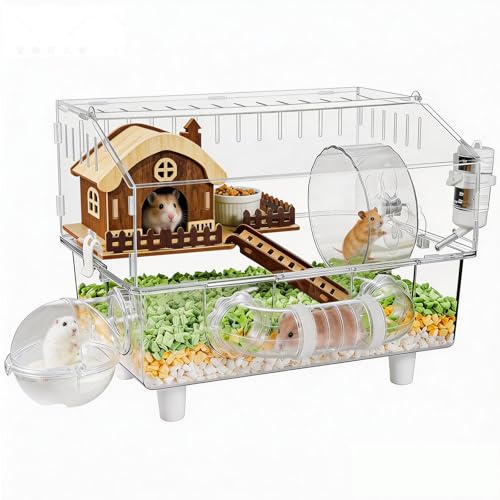
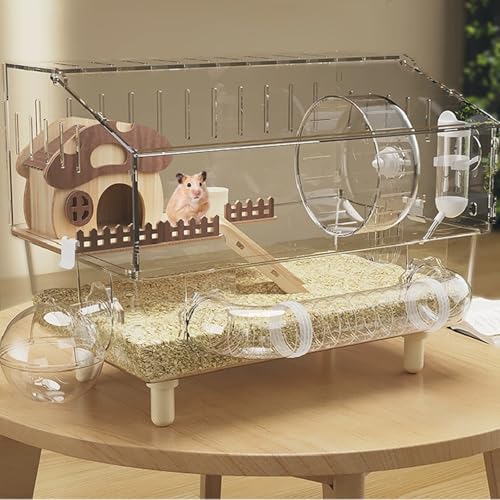
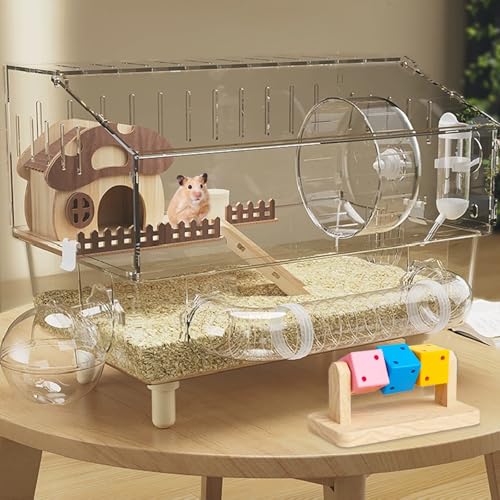
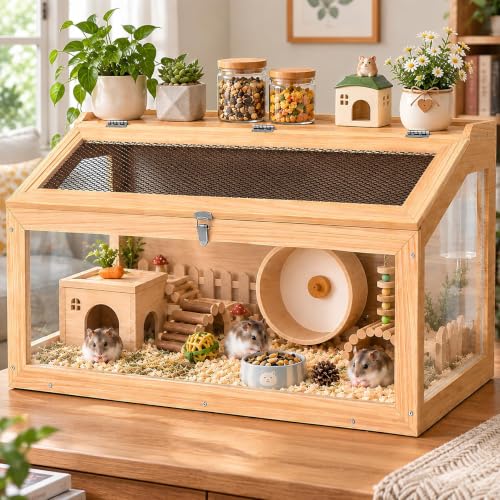
Proper habitat design balances tight security with fresh circulation to prevent dampness and heavy ammonia accumulation. Enclosures made with crystal-clear acrylic or solid wood frames need dedicated ventilation holes or wire mesh flip tops so air moves freely without offering grip for gnawing teeth. Maintaining fresh air indoors also pairs nicely with an effective air purifier for pets to keep the entire room comfortable. Evaluating models like the LummiPlay Acrylic Hamster Cage or the INRLKIT Large 32″ Wooden Hamster Cages reveals that secure latching mechanisms and deep bases allow natural burrowing while stopping Houdini-style escapes in their tracks.

Frequently Asked Questions
What are the primary latch features that stop small pets from escaping?
Sturdy buckle latches and downward-locking top clips provide the most reliable security against escapes. Hamsters often push upward against loose lid covers using their noses or forepaws. Enclosures like the INRLKIT 32-inch wooden habitat utilize front buckle locks, whereas the LummiPlay acrylic cages feature fitted top lids with dedicated latches to prevent determined nudges from lifting the roof.
How does top mesh ventilation prevent escapes while maintaining proper airflow?
Narrow wire mesh sections maintain continuous air circulation without providing bar gaps wide enough for a pet to squeeze through. Proper mesh spacing allows stagnant air and humidity to escape while denying small animals the leverage needed to chew out. Models featuring top wire flip lids keep ventilation situated high above bedding lines, removing horizontal bars that invite climbing and bar chewing.
Can acrylic enclosures prevent chewing escapes better than traditional wire cages?
Yes, smooth acrylic panels eliminate horizontal wire bars that pets frequently chew and stress. Transparent acrylic construction, seen in habitats like the LummiPlay 8 in 1 Clear Transparent habitat, offers flat interior surfaces that rodents cannot grip with their teeth. This smooth design prevents cage chewing habits while keeping curious house pets, such as felines managed with a type of harness for cats, from poking paws between exterior bars.
What makes deep bedding bases essential for containment and enrichment?
Deep bedding trays encourage natural downward burrowing instincts rather than persistent upward climbing toward cage exits. When habitats provide several inches of base depth, small animals spend their energy tunneling and nesting rather than testing latch seams. The INRLKIT wooden habitat incorporates a deep bottom base specifically to accommodate thick bedding layers safely beneath upper access points.
How do Best Ways To Prevent Escape In A Hamster Cage With Secure Latches And Ventilation methods ensure pet safety in 2026?
Modern enclosure designs integrate dual-locking mechanisms and laser-cut airflow slots to stop escapes without sacrificing respiratory health. Older cage styles often relied on loose wire gates that bent easily under pressure. Current multi-level enclosures combine stable base supports, latching roof panels, and strategic ventilation holes that keep pets securely contained throughout daily activity.
How often should cage latches and acrylic joints be inspected for wear?
Weekly inspections during routine bedding changes help confirm that latches, hinges, and corner connections remain secure. Even chew-resistant materials can shift if fasteners loosen over time or bedding debris clogs sliding latches. Checking the top opening clips and acrylic panel grooves ensures latches lock flush and retain full escape resistance.





Write Your Review
No reviews yet. Be the first to share your experience!