


Living with companion animals brings immense joy, but shedding cycles and airborne dander can quickly overwhelm your living space. Heavy coats shed fine particles that settle onto furniture and irritate sensitive airways throughout the day. Investing in the best air purifier for pets helps trap airborne fur before it settles deep into carpets or upholstery. Much like pairing daily cleanup with essential Havanese dog supplies, a reliable air filtration setup works continuously in the background to maintain indoor air quality.
Careful analysis of manufacturer specifications, Clean Air Delivery Rate (CADR) metrics, and intake configurations reveals clear operational differences among leading units. Dedicated pet models often feature washable pre-filters and specialized U-shaped intake grilles that stop coarse pet hair from clogging sensitive HEPA media. Matching your room square footage with verified airflow ratings ensures continuous circulation without running the motor at maximum noise levels. Based on documented technical data and real-world pet owner feedback, targeted indoor air cleaning helps manage stubborn odors while capturing microscopic animal dander.




Frequently Asked Questions
What type of filter is most effective for airborne pet hair and dander?
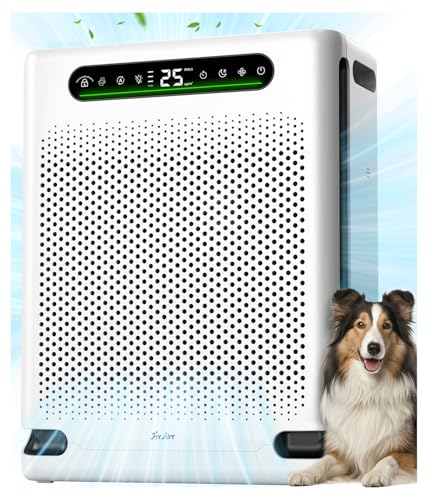
True HEPA filtration combined with a washable pre-filter is the most effective configuration for pet households. The external pre-filter captures coarse dog hair and floating debris before they reach delicate inner layers. High-efficiency HEPA media then traps 99.97% of microscopic particulates down to 0.3 microns, including fine animal dander. Models equipped with activated carbon pellets further help adsorb lingering pet smells.
How often should pet owners clean or replace air purifier filters?
Washable pre-filters need cleaning every two to four weeks, while primary composite filters generally require replacement every three to six months. Rinsing or vacuuming the outer mesh prevents trapped fur from restricting airflow and straining the fan motor. Replacement intervals depend on daily run time, room volume, and shedding intensity. Just as reviewing hardware details in a smart dog collar review helps maintain dog gear, tracking filter indicator lights ensures consistent purification performance.
Can the Best Air Purifier For Pets of 2026 completely eliminate household pet odors?
No, an air purifier significantly reduces airborne odor molecules but cannot remove smells embedded in carpeting or upholstery. Units featuring dense activated carbon filters or odor-neutralizing cartridges pull volatile organic compounds out of circulating air. Positioning your purifier close to high-traffic areas, pet beds, or crates produces the most noticeable reduction in everyday scents. Regular vacuuming and washing dog blankets remain necessary companion practices.
Are air purifiers with built-in essential oil trays safe around dogs?
Caution is necessary because several popular essential oils can cause respiratory irritation or toxic reactions in pets. Compact designs like the VOOPNU offer fragrance trays, but dog caregivers should avoid diffusing oils such as tea tree, wintergreen, or pine. Consult your veterinarian before adding aromatic scents to any running unit. Operating your device strictly in standard mechanical filtration mode is the safest approach for household animals.
How does a dedicated pet mode differ from standard fan settings?
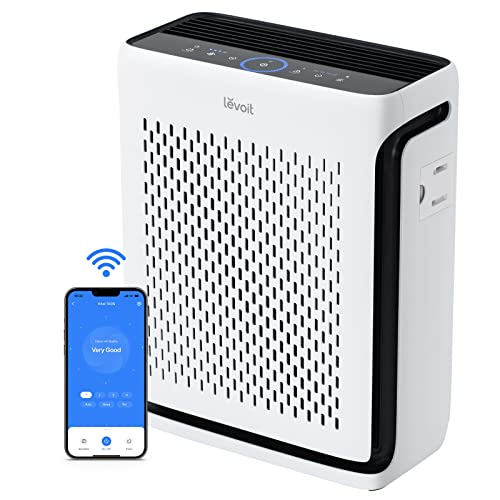
A dedicated pet mode increases fan velocity and optimizes airflow intake to capture floating fur before it lands on room surfaces. Brands like Levoit and MOOKA pair this mode with wide or U-shaped intake channels designed to resist hair clogs. This setting speeds up total air exchanges during heavy seasonal shedding without requiring continuous manual adjustments. Engaging pet mode during grooming sessions captures dispersed dander at the source.




Write Your Review
No reviews yet. Be the first to share your experience!