


Dark canine claws hide the sensitive blood vessel known as the quick, making routine paw maintenance an intimidating task for many pet parents. Finding the best way to cut black dog nails starts with understanding nail anatomy and selecting tools that offer clear visibility and precise leverage. Trimming tiny slivers at a time instead of making bold chops helps you spot the chalky white or dark center before cutting too deep. Pairing this gradual technique with high-value rewards like tasty soft dog treats keeps your pet relaxed on the grooming mat.
Quality grooming hardware makes a massive difference when working with tough, opaque claws. Modern clippers feature ultra-sharp stainless or martensite steel blades, built-in safety guards, or angled cutting edges that give you an unobstructed view of the claw tip. Analyzing product specifications, blade clearance, and handle grip stability helps you choose the right tool for your dog’s size. Whether your dog sits patiently or wriggles at the sight of clippers, having the proper gear ensures a calm, controlled grooming routine at home.

Frequently Asked Questions About Dark Claw Trimming
How can you see the quick inside a black dog nail?
Look for a small, chalky circle or dark oval inside the cross-section of the nail. As you shave thin layers off the claw tip, the outer dead shell gives way to a lighter gray interior, followed by a moist black or gray dot indicating the quick is close. Once this distinct center appears, stop trimming that nail immediately. This gradual sliver-cutting method represents the safest approach to best way to cut black dog nails at home.
Do LED lights on nail clippers work on black dog nails?
No, LED lights generally do not illuminate through dark, opaque nail pigment. Manufacturers like iToleeve explicitly state that while LED illumination helps reveal the quick in light-colored claws, it cannot penetrate black nails. However, the integrated light still brightens your overall workspace and paw area, making it easier to line up cuts accurately under normal indoor lighting.
What clipper features are most important for large dogs with thick nails?
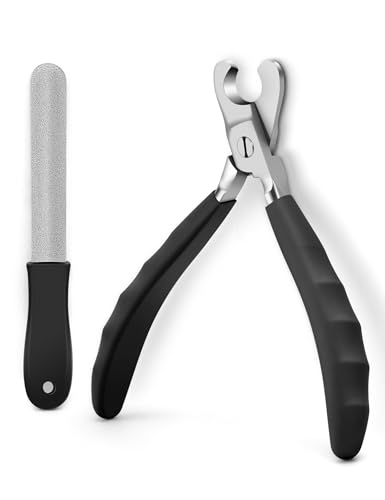
High-grade steel blades and a wide blade opening are essential. For instance, the Gobeigo Heavy Duty clippers feature a 0.45-inch blade opening forged from heat-treated martensite steel to handle dense claws without crushing them. Ergonomic silicone-wrapped handles also provide necessary leverage and slip resistance during grooming sessions. Selecting heavy-duty tools alongside other essential dog supplies ensures clean cuts without splintering.
Should you use a safety guard when trimming dark dog nails?
It depends on your cutting technique and visibility preferences. A built-in safety stop, like the one on the iToleeve clipper, physically limits how far the claw pushes through the blade to prevent taking off too much length at once. Conversely, some heavy-duty models omit the guard so owners have an unobstructed view of the nail cross-section. Both styles support the best way to cut black dog nails when matched with careful, gradual trimming.
Does filing help after clipping black dog nails?
Yes, filing smooths out rough edges and helps take off tiny additional increments of nail without risking a quick strike. Clippers with integrated nail files allow you to buff away sharp corners immediately after cutting. Regular filing between trimming sessions also helps maintain nail length while encouraging the vascular quick to recede over time.
How often should you trim black nails in 2026?
Trimming every two to three weeks is standard for most dogs. Consistent, small trims prevent the internal quick from extending too far down the claw shaft. If you hear nails clicking loudly against hardwood floors, it is time for a minor trim to maintain proper paw structure and comfort.





Write Your Review
No reviews yet. Be the first to share your experience!