

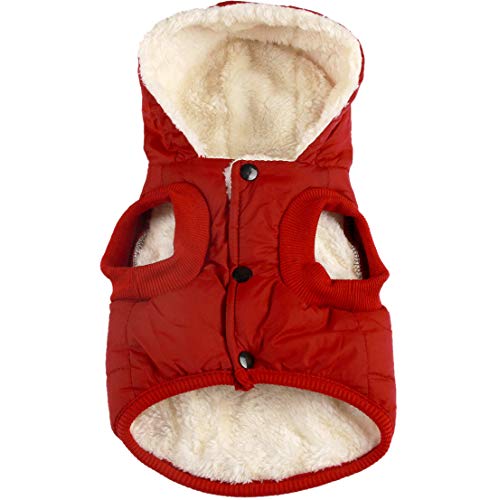
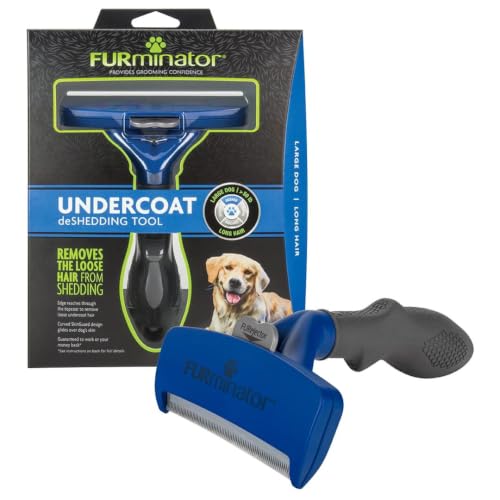
Freezing temperatures and blustery winds make daily walks tough on dogs without adequate insulation. Selecting the best dog coats for winter requires checking critical measurements rather than guessing by breed or weight alone. A proper fit hinges primarily on the dog’s chest girth, which keeps fabric secure around the ribcage without restricting movement. Fleece linings and weather-resistant outer shells help shield dogs from cold wind and snow, while dedicated leash openings keep daily strolls practical. Pairing warm outerwear with tools for heavy shedding helps keep pets comfortable during seasonal coat transitions.
Based on product specifications and user feedback, practical features like snag-free back zippers and metal snap closures streamline dressing for dogs sensitive to pull-over garments. Integrated harness straps and reflective accents add walking convenience during dark winter mornings without requiring bulky extra layers. Evaluating the chest, neck, and back length against manufacturer sizing charts ensures the jacket shields vital core areas while preventing uncomfortable friction and chafing under the front legs during outdoor exercise.

Frequently Asked Questions
How should owners measure a dog for the best dog coats for winter?
Focus on the dog’s widest chest girth measurement first. Wrap a soft measuring tape around the deepest part of the ribcage right behind the front legs. Manufacturers use chest girth as the primary sizing metric rather than breed or weight because chest depth dictates comfort. Also measure the neck circumference and back length to ensure full core coverage.
Can a winter coat with a built-in harness replace a separate walking vest?
Yes, 2-in-1 designs integrate adjustable harness straps and sturdy metal D-rings directly into the jacket structure. Reinforced seams along the exterior webbing help distribute pressure across the torso during standard neighborhood walks. However, these coats serve as walking accessories rather than vehicle restraints or heavy-duty pulling apparatuses. Always verify hardware security before each walk.
Should owners size up if a dog falls between two sizes?
Yes, selecting the larger size provides necessary comfort and allows unrestricted leg movement. Coats with fleece linings take up internal space, causing shoulder tightness if fitted too snugly. Sizing up accommodates broader ribcages and thick winter coats while avoiding pressure points under the armpits.
How do step-in back zippers compare to underbelly snap closures?
Step-in back zippers simplify dressing for dogs that dislike having clothing pulled over their heads. Outerwear with rear zippers often features protective fabric guards beneath the teeth to prevent catching fur. Underbelly snaps allow quick leg entry for smaller dogs, but require reaching underneath the torso to fasten. Both styles block drafts when aligned.
What weather protection do the Best Dog Coats For Winter of 2026 provide against snow and rain?
Weather protection varies between water-resistant breathable fabrics and windproof, waterproof outer coatings. Water-resistant polyester shells shield dogs during light snow flurries while maintaining breathability, whereas waterproof exteriors block moisture during slushy downpours. Cold air often dries out canine coats, making gentle grooming with shampoos for sensitive skin a helpful routine alongside protective outerwear.




Write Your Review
No reviews yet. Be the first to share your experience!