


Commercial dog treats frequently contain artificial preservatives, excess sodium, and ambiguous fillers that create hesitation for health-conscious pet parents. Dehydrating single-ingredient jerky from lean meats or crunchy sweet potato chews gives you direct control over your dog’s daily calorie intake and dietary sensitivities. If you manage a pup with an upset stomach or simply wonder are bully sticks fattening for dogs during repetitive training drills, preparing clean snacks at home removes the guesswork entirely.
Investing in the best food dehydrator for dog treats allows pet owners to dry beef liver, lean poultry, and wholesome sweet potatoes at precise temperatures without losing vital nutrients. Reliable horizontal air circulation and digital heat adjustments ensure meat dries safely past pathogenic thresholds, which protects your pup’s digestive health. Careful analysis of manufacturer specifications, stainless steel tray materials, and airflow designs reveals that dependable countertop units make batch treat preparation simple, cost-effective, and repeatable for dogs of all life stages.




Frequently Asked Questions
What temperature is required to dehydrate meat treats safely for dogs?
A minimum temperature of 160°F to 165°F is recommended for meat jerky. Dehydrators reaching higher heat ensure harmful pathogens are inactivated while moisture evaporates steadily from poultry or beef. Lower settings work nicely for apple slices or sweet potato chews, but high heat is vital for single-ingredient meat strips to guarantee digestive safety.
Can you dehydrate novel proteins for dogs with food allergies?
Yes, dehydrating novel proteins at home gives owners complete control over cross-contact risks. Many handlers investigate whether dogs can develop duck sensitivities before preparing novel poultry chews. Slicing raw duck or rabbit meat and drying it on dedicated metal shelves avoids accidental exposure to common commercial binders like wheat or soy.
Are stainless steel trays better than plastic trays for dog jerky?
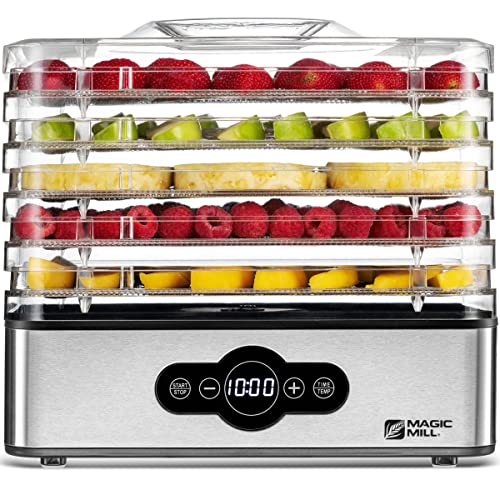
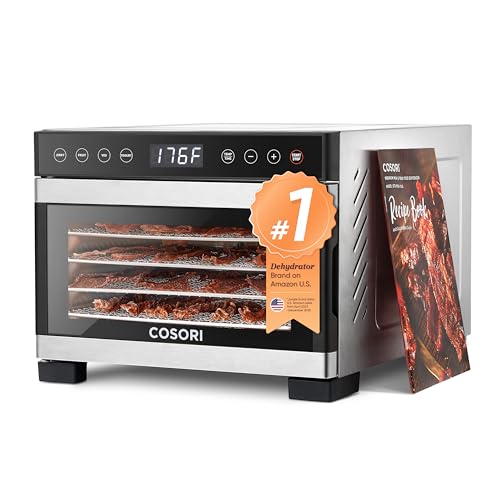
Stainless steel trays provide superior durability and sanitation compared to plastic alternatives. Meat strips release natural fats that can discolor or degrade plastic racks over repeated heating cycles. Food-grade metal shelves withstand high temperatures, clean effortlessly in a dishwasher, and maintain strict food safety standards across frequent batches of homemade dog treats.
How long do homemade dehydrated dog treats stay fresh?
Properly dried meat treats remain fresh for two to three weeks when stored in an airtight glass container at room temperature. Removing enough moisture until the jerky achieves a brittle, leathery snap is essential to inhibit mold growth. Refrigerating portioned treats extends their freshness up to two months without needing chemical stabilizers.
Why is a rear-mounted fan beneficial for making pet treats?
A rear-mounted fan forces heated air horizontally across every shelf for uniform dehydration. Bottom-mounted heating elements often scorch the lowest rack while leaving upper trays damp, requiring constant manual tray rotation. Horizontal airflow ensures consistent moisture removal across every piece of beef liver or chicken jerky from front to back.
How should homemade dehydrated treats fit into a dog’s daily calorie intake?
Dehydrated snacks should represent no more than ten percent of a dog’s total daily caloric allowance. Because drying removes water weight, dried jerky has a concentrated calorie density compared to raw meat. Limiting portions prevents unwanted weight gain while preserving balanced nutrition from your dog’s primary food.


Write Your Review
No reviews yet. Be the first to share your experience!