


Many pet owners find themselves wondering whether shared table scraps are safe when a dog begs beside the kitchen counter. If a bowl of chilled, sweet dessert is sitting on the table, you might ask yourself: can dogs eat rice pudding without getting sick? While cooked rice itself forms the backbone of many bland veterinary recovery meals, human rice pudding transforms simple grains into a rich confection packed with cow milk, heavy cream, and refined cane sugar. These rich dairy elements can quickly overwhelm an adult dog digestive tract, creating uncomfortable bouts of gas, loose stools, and stomach cramps.
Feeding choices directly shape your canine daily vitality, energetic comfort, and long-term metabolic health. Before you slip any dessert spoonfuls into a feeding bowl, it pays to understand how human confections clash with canine physiology. Keeping your dog safe from dietary distress goes hand in hand with outdoor management, where using a sturdy dog leash for dogs that pull helps prevent your companion from scavenging dropped snacks off sidewalks or park lawns. Taking a careful look at commercial formulations and home recipes reveals why this traditional sweet treat should remain strictly off-limits for four-legged family members.

Pros
- Available instantly as a digital streaming title on Prime Video with no physical delivery wait
- Requires no pantry storage space, airtight dog food containers, or refrigeration
- Eliminates physical packaging waste associated with canned dog food or kibble bags
- Streamable on compatible home devices without physical media clutter
Cons
- Does not provide dog food, dietary nutrition, treats, or canine feeding supplies
- Lacks an ingredient list, guaranteed analysis, or AAFCO nutritional adequacy statement for feeding dogs
- Unsuitable for pet owners seeking physical food, supplements, or feeding accessories
Based on the provided product data, Two Boston Guys is not a canine nutritional formula, dog food, or feeding accessory. The listing is cataloged under Movies and categorized as a Video On Demand release on Prime Video. For dog owners and pet caregivers searching online retail marketplaces for canine supplies, it is essential to distinguish between digital entertainment media and actual canine dietary products. The listing contains no manufacturer positioning for puppies, adult dogs, or senior canines, nor does it cater to specific breed sizes or life stages.
Regarding formula specifications, ingredient profiles, and guaranteed analysis, this listing contains no canine nutritional information. There are no animal protein sources, crude protein or fat percentages, fiber metrics, or moisture levels listed, as it is a digital video product. Furthermore, the listing does not include an Association of American Feed Control Officials (AAFCO) statement of nutritional adequacy, calorie content, or feeding guidelines. Pet owners seeking complete and balanced nutrition for growth, maintenance, or dietary management will not find nutritional data here.
In terms of format and physical packaging, Two Boston Guys is distributed via digital streaming rather than standard pet food formats like dry kibble, wet canned food, shelf-stable pouches, or freeze-dried mixers. Because there is no physical package, owners do not need to evaluate packaging materials, resealable closures, bag integrity, or can denting. There are no physical dimensions, net weights, or container materials to assess, meaning practical concerns regarding pet-food storage bins, scoop measurements, or pantry space do not apply.
From a daily routine perspective, this product involves no feeding schedule, portioning instructions, or dietary transition periods. When switching dogs between genuine pet food formulas, owners typically follow a gradual transition over seven to ten days to prevent digestive upset, but such protocols are entirely irrelevant for digital media. Similarly, requirements for meal rehydration, refrigeration of opened cans, or portable travel bowls are absent. The item functions strictly as digital entertainment to watch, with no role in canine mealtime management.
The primary limitation of this listing for pet owners is that it offers zero nutritional or feeding utility. Anyone arriving at this page in search of small-breed nutrition, sensitive-stomach recipes, weight-management meals, or Boston Terrier feeding formulas must look elsewhere. While the title might catch the attention of dog enthusiasts familiar with Boston Terriers, the listing specifications verify that this is exclusively a media title and cannot fulfill any biological or dietary requirements for dogs.
For shoppers looking for digital entertainment on Prime Video, Two Boston Guys represents a media stream available for on-demand viewing. However, dog owners seeking dry food, canned stews, meal toppers, supplements, or practical feeding accessories should pass over this listing in favor of verified canine nutrition products that feature comprehensive ingredient lists, clear guaranteed analysis tables, and verified AAFCO adequacy statements. Always consult with a licensed veterinarian to select food suited to your dog's specific age, weight, and lifestyle.
Pros
- Thick texture naturally wraps around pills so dogs swallow capsules without spitting them out
- Gluten-free recipe made without artificial preservatives, synthetic dyes, or xylitol
- High palatability appeals strongly to finicky eaters and older dogs needing appetite stimulation
- Excellent value compared to small packages of commercial canine pill pockets
Cons
- Contains dairy and sugar, requiring strict portion control as an occasional reward only
- Must be kept refrigerated, making it less portable for outdoor hikes or park training
- Not suitable for dogs with lactose intolerance, dairy allergies, or pancreatitis
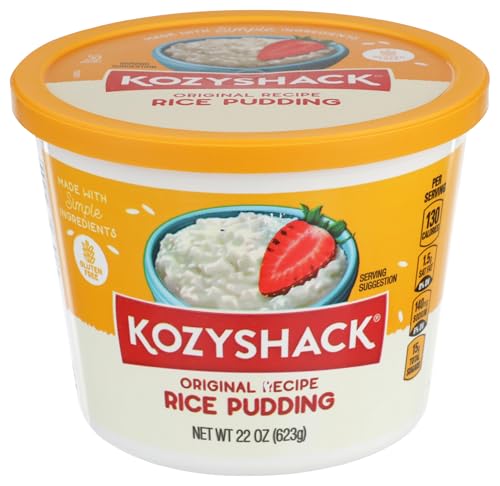
Kozy Shack Rice Pudding is a refrigerated, human-grade grocery staple that many pet parents utilize as an occasional high-value reward, appetite enhancer, or pill-masking vehicle. While originally prepared for family dessert tables, its soft texture and enticing aroma make it especially appealing for senior dog caregivers, owners of picky eaters, and puppy parents trying to coax reluctant dogs into swallowing prescription tablets. Budget-conscious pet parents often look to gentle household staples like this when commercial pill pockets become too costly or fail to hide bitter medications.
In terms of everyday utility, this pudding shines as a reliable stress relief aid and pill disguiser. Hiding medication inside dry kibble often fails because clever dogs spit out the capsule, but the thick, sticky consistency of rice pudding clings tightly around tablets, ensuring smooth ingestion. Some dog owners also spread a thin layer onto grooved lick mats or inside durable rubber puzzle toys, which can keep an anxious dog calm during thunderstorms, nail trimming sessions, or crate training practice. The rich dairy scent naturally stimulates interest, even among dogs recovering from mild illnesses who need extra encouragement to eat.
Looking at the recipe and ingredient profile, the product stands out for keeping things simple and gluten-free. It contains no artificial preservatives, synthetic colors, or artificial sweeteners like xylitol that could endanger pets. The simple rice and dairy base provides gentle carbohydrates, while the 22-ounce tub offers portion control accuracy with a standard measuring spoon. However, because it contains traditional dairy and modest sugar, dog owners must keep portions tiny to avoid gastrointestinal upset.
Daily storage and handling are straightforward thanks to the sturdy resealable plastic container. It keeps fresh in the refrigerator, allowing owners to scoop out just half a teaspoon when pill time arrives. Dog owners introducing this food should start with a pea-sized amount to verify individual digestive tolerance, particularly for dogs unaccustomed to milk products. Cleaning up any stray drops from ceramic or stainless steel dog bowls takes only warm water and soap or a quick cycle through the dishwasher.
Realistic limitations center on dietary suitability. Because rice pudding is formulated with whole milk and sugar, it is strictly intended as a supplemental treat rather than a balanced dog food. Dogs with confirmed lactose sensitivity, chronic pancreatitis, or strict weight-loss regimens should avoid it altogether. It also requires continuous refrigeration, so it cannot be easily tossed into a walking pouch or travel bag for outdoor adventures like freeze-dried meat treats can.
For pet owners seeking a convenient, budget-friendly way to administer daily pills or create an engaging lick-mat treat, this product is a practical household staple. It works especially well for multi-dog households and senior dog owners managing medication routines, provided it is served in small, controlled portions as an occasional treat.
Feeding human food to dogs requires careful moderation, and this rice pudding is no exception. Because it contains milk and cane sugar, it should only be offered in small spoonfuls as an occasional treat or pill-delivery vehicle. Dog owners should never replace a balanced veterinary diet with sweet dairy puddings.
The formula is gluten-free and free of artificial preservatives, artificial flavors, and toxic sweeteners such as xylitol. For anxious dogs experiencing noise stress or separation anxiety, spreading a small amount onto an enrichment mat provides calming mental stimulation through repetitive licking.
Canine Digestion and the Nutritional Truth About Rice Pudding
Feeding table scraps often seems harmless, but understanding how specific ingredients interact with canine biology is vital for preventing illness. When pet owners ask whether can dogs eat rice pudding, the straightforward answer is that dogs should avoid it. Although plain boiled rice serves as a safe starch for mild gastrointestinal upset, rice pudding is a completely different culinary preparation. The addition of cow milk, granulated sugar, and potentially toxic spices turns an otherwise benign carbohydrate into a serious digestive hazard.
The Core Recipe: Deconstructing Rice Pudding Ingredients
Rice pudding combines boiled white rice, whole cow milk, heavy cream, refined sugar, egg yolks, and sweet spices. In human culinary traditions, this combination creates a rich and soothing comfort food. Dogs, however, possess a much shorter digestive tract adapted primarily for animal proteins, healthy fats, and simple starches. When these dense dairy confections enter a canine stomach, the digestive system struggles to process the heavy mixture of milk sugars and fats.
The rice grain itself is not the underlying problem for your pet. Plain white or brown rice provides digestible carbohydrates that veterinarians frequently recommend to soothe stomach irritation and firm up loose stool. The true danger stems from the culinary preparation method, which saturates every grain with lactose, lipids, and refined sucrose. That structural difference explains why a plain veterinary meal supports gut stability, while dessert pudding sparks severe gastrointestinal distress.
Homemade and commercial puddings also vary considerably in their specific ingredient ratios and additives. Some household recipes incorporate sweetened condensed milk, which concentrates sugar and lactose into an ultra-rich paste. Other versions fold in custard bases or flavoring syrups designed to intensify sweetness for human palates. None of these supplemental baking ingredients offer any positive nutritional value to dogs, making the treat an unnecessary dietary gamble.
Lactose Sensitivity: How Dairy Complicates Canine Digestion
Most adult dogs lack sufficient quantities of lactase, the digestive enzyme required to break down lactose into simple sugars. While puppies produce ample lactase to digest their mother milk, lactase production plummets rapidly after weaning. Ingesting cow milk, cream, or butter introduces high levels of undigested lactose directly into the large intestine. Once there, resident gut bacteria ferment these unabsorbed sugars, producing excessive gas, bloating, and painful abdominal distension.
This bacterial fermentation process also draws excess water into the canine colon, which inevitably triggers acute diarrhea. A dog that consumes dairy-heavy pudding may spend the following day dealing with watery stools, frequent defecation urgency, and stomach gurgling. In sensitive canines or toy breeds, this dairy reaction can escalate into severe nausea, persistent vomiting, and rapid fluid loss. Preventing these uncomfortable episodes requires pet owners to keep whole-milk confections out of daily treat rotations.
Routine digestive comfort plays an essential role in keeping your pet relaxed during everyday family activities and grooming sessions. Dogs dealing with stomach cramping often become restless, irritable, or sensitive around their flank and hindquarters. Maintaining overall physical comfort and coat health with equipment like a dog collar to prevent matting keeps your pet feeling their best, but internal wellness always begins with clean nutrition that excludes unfermented cow dairy.
Sugar Concentration, Empty Calories, and Pancreatitis Risks
Refined cane sugar and commercial sweeteners represent another major hazard within traditional rice pudding formulas. Dogs do not require simple sugars in their diet, and their metabolic pathways are poorly adapted for handling large glucose spikes. Ingesting sugary confections can lead to hyperactive behavioral spikes followed by lethargic crashes, while frequent sugar consumption promotes dental decay, systemic inflammation, and rapid weight gain. Over time, recurring exposure to calorie-dense human desserts increases the risk of canine obesity.
Beyond the obvious concerns regarding weight gain and cavities, the high fat content in rich dairy puddings introduces the serious threat of canine pancreatitis. The pancreas produces digestive enzymes that activate within the small intestine to break down nutrients. When a dog consumes a sudden dose of rich dairy fats and simple sugars, the pancreas can become severely inflamed. In this inflamed state, digestive enzymes may activate prematurely within pancreatic tissue, causing localized tissue damage and intense abdominal agony.
Canine pancreatitis is a serious veterinary emergency that presents with distinct, alarming clinical signs. Affected dogs frequently exhibit hunched postures, severe abdominal pain, persistent vomiting, refusal to eat, extreme lethargy, and dehydration. Mild cases require prompt veterinary medical intervention, intravenous fluid therapy, and anti-nausea medications, while severe cases can become life-threatening. Feeding high-fat, dairy-laden confections like rice pudding is one of the most common domestic triggers for acute pancreatitis flares.
Toxic Recipe Additions: Raisins, Spices, and Artificial Sweeteners
While standard milk and sugar cause predictable digestive upset, several classic rice pudding ingredients carry far more dangerous properties. Raisins and dried currants are traditional recipe additions that provide burst-like sweetness in classic puddings. Grapes and raisins are notoriously nephrotoxic to dogs, capable of inducing sudden and irreversible acute kidney failure even in microscopic quantities. There is no established safe dose for raisins in dogs, meaning a single bite of raisin-studded pudding warrants immediate emergency veterinary contact.
Ground spices commonly sprinkled over rice pudding also present hidden toxicological risks for companion animals. Nutmeg contains myristicin, a naturally occurring compound that can cause rapid heart rates, severe disorientation, hallucinations, high blood pressure, abdominal pain, and seizures in dogs. While a tiny pinch of cinnamon is generally considered non-toxic, concentrated cinnamon oils or excessive powder can irritate oral tissues and cause coughing fits. The presence of warming baking spices makes human puddings inherently unsafe for curious pets.
Artificially sweetened or diet versions of commercial rice puddings introduce an even deadlier chemical hazard known as xylitol, often listed on ingredient labels as birch sugar. Xylitol triggers a massive release of insulin in the canine bloodstream, driving blood glucose levels down to dangerously low thresholds within thirty minutes. This acute hypoglycemia can lead to violent seizures, loss of coordination, permanent brain damage, and acute liver failure. Checking ingredient lists for hidden sugar alcohols is critical whenever any processed food is accidentally ingested.
Examining Commercial Formulations Like Kozy Shack Rice Pudding
Commercially prepared puddings, such as Kozy Shack Rice Pudding, 22 OZ, are widely recognized among human consumers for their wholesome formulation standards. The brand highlights simple ingredients, gluten-free certification, kosher dairy compliance, and an absence of artificial preservatives. For human eaters seeking a clean, comforting dessert without chemical additives, these manufacturing choices represent high quality. However, pet parents must recognize that human health attributes do not correlate with canine physiological safety.
A close examination of commercial rice pudding formulations reveals that pasteurized milk, cooked rice, sugar, eggs, and salt form the bulk of the recipe. The manufacturer emphasizes a rich dairy texture relying heavily on liquid cow milk and nonfat milk solids. While the lack of artificial preservatives and gluten benefits certain human dietary needs, dogs rarely have gluten issues, but almost all adult dogs react poorly to concentrated dairy solids. This absence of preservatives does not reduce the lactose and sugar load that disrupts canine digestion.
Commercial pudding packaging in multi-serving tubs also increases the likelihood of accidental overconsumption if left unattended on low countertops. A medium-sized dog that gains access to a full container of refrigerated dessert can ingest several hundred calories of dairy fat and sugar in seconds. Even without toxic elements like raisins or birch sugar, the sheer volume of rich milk and refined carbohydrates can trigger intense gastrointestinal distress within hours. Responsible food handling requires keeping these commercial tubs securely sealed in the refrigerator away from curious pets.
Plain Boiled Rice Versus Dessert Pudding in Canine Care
Many pet owners confuse plain cooked rice with rice pudding because both dishes share the same foundational grain. When a dog develops acute gastroenteritis from scavenging, veterinarians frequently recommend a temporary bland diet of boiled white rice and lean poultry. Plain boiled white rice is exceptionally low in fiber and fat, allowing an irritated gut to absorb carbohydrates without demanding strenuous enzymatic work. It provides gentle calories while helping firm up unformed stool.
The preparation method for veterinary rice differs completely from dessert pudding. A canine bland diet involves boiling plain white rice in water without any butter, oils, salt, seasonings, garlic, onions, or dairy liquids. The finished grain is light, bland, and entirely devoid of added lipids or sugars. In contrast, rice pudding cooks rice grains in milk and sugar, saturating the starch granules with dairy fat that directly counteracts the soothing properties of the grain.
If your goal is to settle an upset stomach, offering rice pudding will inevitably make the gastrointestinal irritation significantly worse. The undigested lactose and heavy fat emulsion draw excess fluids into the bowel and accelerate digestive transit, exacerbating diarrhea rather than resolving it. Pet owners should never substitute any sweet, dairy-cooked grain recipe for true veterinary-approved bland feeding protocols. Understanding this distinction prevents well-meaning caregivers from accidentally intensifying their pet digestive distress.
Action Steps Following Accidental Rice Pudding Ingestion
Accidents happen quickly in busy households, and dogs are notoriously swift at snatching unattended food from coffee tables and counter edges. If your dog manages to sneak a few bites of plain rice pudding, your first step should be an immediate evaluation of the ingredient label. Determine whether the specific recipe contained raisins, currants, nutmeg, chocolate shavings, or artificial sweeteners like xylitol. If any of these confirmed toxins are listed among the ingredients, bypass home observation and contact your local veterinary emergency hospital or an animal poison control helpline immediately.
If the consumed pudding was a basic recipe containing only milk, rice, sugar, and eggs, the primary threat shifts to acute digestive upset. Compare the estimated volume ingested against the size of your dog. A toy breed consuming half a cup of rich pudding faces a much higher risk of pancreatitis than an eighty-pound retriever licking a small spoonful off a plate. Note the exact time of ingestion to track the progression of physical symptoms over the subsequent twenty-four hours.
During this monitoring window, observe your pet closely for signs of severe nausea, lip smacking, heavy drooling, stomach bloating, watery diarrhea, or vomiting. Provide free access to fresh drinking water to prevent dehydration, but withhold heavy kibble meals for several hours to let the stomach rest. If vomiting becomes frequent, if you observe dark blood in stool, or if your dog shows severe abdominal pain, seek professional veterinary care immediately.
Dog-Safe Creamy Alternatives and Daily Feeding Boundaries
Owners who enjoy sharing comforting culinary textures with their pets do not need to rely on hazardous human desserts. You can easily prepare dog-safe snacks that mimic the creamy consistency of pudding without incorporating dangerous dairy fats or refined sugars. Pure canned pumpkin puree offers a naturally smooth texture along with abundant soluble fiber, beta-carotene, and essential micronutrients. Another safe alternative is blending plain boiled white rice with a single spoonful of unflavored low-fat Greek yogurt, where bacterial fermentation significantly lowers lactose levels.
Nutrition experts consistently emphasize that supplemental treats and table snacks should never exceed ten percent of a dog daily caloric intake. The remaining ninety percent of daily energy must come from a complete and balanced canine diet formulated to meet recognized nutritional standards. Outdoor training sessions and daily exercise create mental stimulation that reduces household scavenging tendencies. When walking your dog in areas where discarded food waste poses a risk, using a no-pull dog harness for strong pullers gives you reliable physical control to prevent quick sidewalk scavenging.
Keeping human desserts strictly separated from canine bowls is ultimately the kindest and safest choice you can make for your pet. While sharing food often feels like an expression of love, protecting your dog from painful stomach cramps, diarrhea, and pancreatitis is what truly supports their long-term happiness. By prioritizing wholesome, canine-appropriate treats and sticking to proven dietary guidelines, you provide your companion with the high-quality nutrition and attentive care they deserve.


Write Your Review
No reviews yet. Be the first to share your experience!