


Dealing with sudden litter box troubles disrupts your entire household routine and leaves you searching for rapid gastrointestinal relief. Frequent loose stools quickly drain fluids and vital electrolytes, making soft, moisture-rich meals an essential dietary step. Selecting the best wet food for cats with diarrhea requires looking beyond broad marketing claims to examine digestible animal proteins, soothing prebiotic fibers, and straightforward moisture levels. Pet parents managing sensitive digestive systems often note similar gut reactions across species, which makes learning about wet food options for sensitive stomachs just as valuable for overall pet nutrition awareness.
Digestive formulas typically rely on simplified recipes, controlled fat levels, and targeted soluble fibers to slow intestinal transit and firm up stool consistency. Canned options offer an immediate advantage because their high water content counteracts dehydration without forcing extra strain on an irritated digestive tract. Evaluating ingredient declarations and manufacturer feeding guidelines helps you pinpoint gentle recipes that supply complete daily nutrition while letting delicate guts recover comfortably.

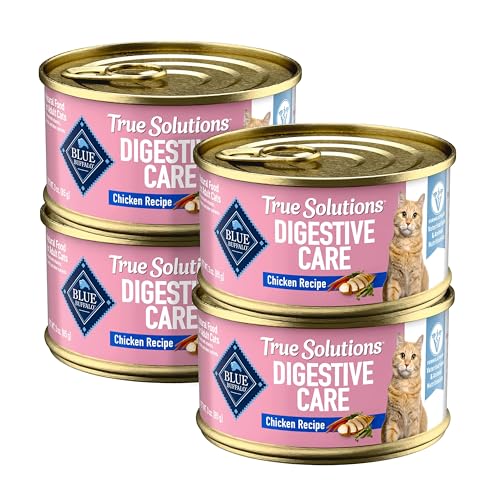
Pros
- Veterinarian-formulated with real chicken as the primary protein source for easy digestion
- Prebiotic fiber helps firm up stool quality and improves litter box odor control
- Convenient 3-ounce pull-tab cans provide effortless single-serve portion control
- High moisture content provides essential hydration for daily digestive and urinary wellness
Cons
- Formulated strictly for feline nutrition and cannot replace complete canine food in multi-pet homes
- Requires a gradual transition period over five to seven days for pets with sensitive stomachs
- Smaller 3-ounce can size may require multiple packs for larger multi-pet households
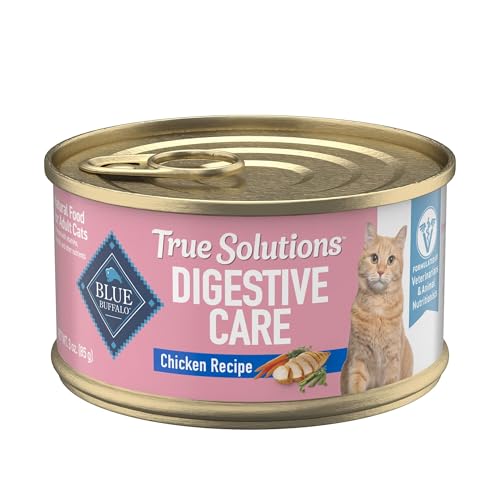
Blue Buffalo True Solutions Digestive Care Chicken Recipe is a veterinarian-formulated wet food designed specifically for sensitive feline digestion in multi-pet households. For families sharing their living spaces with both dogs and cats, maintaining balanced nutrition while managing digestive health is a daily priority. This formula combines high-quality real chicken as the first ingredient with clinically proven prebiotic fiber to support healthy digestion, soothe delicate stomachs, and maintain optimal stool consistency across shared home environments.
This wet food option works especially well for multi-pet households, apartment dwellers, and dog parents who also care for sensitive cats. Managing mealtimes in homes with both canines and felines requires careful coordination, as enthusiastic dogs often attempt to access rich cat food bowls. Because this recipe is crafted specifically for feline dietary needs, dog owners frequently pair these single-serve cans with elevated feeding tables, closed-door meal routines, or sturdy pet gates to ensure dog safety and prevent curious pups from snacking on high-protein feline formulas.
Based on product specifications and user feedback, the easily digestible chicken formulation helps encourage gentle nutrient absorption while reducing digestive upset. The addition of prebiotic fiber supports a balanced gut microbiome, which translates directly to firmer stool quality and reduced litter box odors in confined apartment spaces. Furthermore, the tender wet texture delivers essential hydration that promotes urinary tract health, offering peace of mind to pet parents managing multiple companion animals under one roof.
From a packaging and daily convenience standpoint, the four-pack of 3-ounce pull-tab cans offers practical portion control without messy leftovers. The easy-open aluminum cans eliminate the need for a can opener, ensuring quick preparation during busy morning routines. The compact size fits neatly into apartment pantry shelves or pet food storage bins, while the durable seal maintains food freshness until mealtime without lingering pet food odors in the kitchen.
Some pet parents find that introducing any digestive-focused wet food requires a gradual transition over several days to avoid mild stomach upset. While this formula excels at feline digestive support, it is strictly formulated for cats and should never serve as a primary diet for dogs, whose nutritional requirements differ significantly. Dog owners should maintain clear boundaries during feeding times to protect canine family members with fat sensitivities from sneaking bites.
This four-can pack represents a reliable, high-value choice for multi-pet owners and dog lovers seeking targeted, veterinarian-formulated digestive care for their feline companions. It delivers wholesome ingredients, gentle prebiotic support, and effortless portion control that fits smoothly into busy multi-pet household schedules.
In multi-pet homes, keeping cat food secure from inquisitive dogs is a crucial safety measure. Cat foods naturally feature higher protein and fat densities that can trigger gastrointestinal distress or pancreatitis in dogs if consumed in large quantities. Pet parents can maintain dog comfort and household safety by feeding this wet food in elevated feeding zones, cat trees, or behind pet gates where dogs cannot access the dish.
Ensuring that both dogs and cats have calm, separated feeding environments reduces mealtime anxiety and resource guarding behaviors across the home.
The inclusion of prebiotic fiber in this formula plays a vital role in nourishing beneficial gut microflora, which supports smooth nutrient absorption and firmer stool consistency. This targeted digestive care helps minimize litter box odor, which is an enormous benefit for apartment dwellers and indoor pet owners.
The natural high-moisture profile of wet canned food also supplies vital daily hydration that supports overall kidney and bladder wellness, making it a reliable dietary addition for pets prone to digestive sensitivities.
Frequently Asked Questions
How does wet food help a cat recovering from diarrhea?
Wet food delivers vital hydration that directly offsets moisture lost during bouts of loose stool. Canned digestive recipes provide high moisture levels alongside tender textures that digest smoothly without irritating inflamed intestinal linings. The added water content also helps maintain urinary tract wellness and prevents dehydration while gut flora rebalances.
Can digestive care wet food be combined with dry kibble?
Yes, many digestive formulas are designed to complement corresponding dry recipes. Combining canned textures like thin slices in gravy with dry kibble offers varied moisture and texture while preserving complete nutritional balance. Always adjust total daily portions to prevent overfeeding, as excess calories can trigger additional digestive upset.
What key ingredients should you look for in the Best Wet Food For Cats With Diarrhea in 2026?
Prioritize real, named animal proteins, prebiotic fibers, and simple ingredient profiles free from unnecessary fillers. Highly digestible proteins like chicken help maximize nutrient absorption in compromised digestive tracts. Prebiotic fibers feed beneficial gut bacteria to restore firm stool consistency over time.
Does high moisture canned food worsen loose stools?
No, moisture in canned food does not cause or worsen diarrhea. Dietary water is absorbed naturally throughout the gastrointestinal tract, whereas diarrhea stems from irritation, rapid transit, or malabsorption. Offering canned meals provides necessary hydration to protect vital organ function when fluid losses run high.
Can dietary changes affect overall body condition and weight?
Yes, switching to easily digestible formulas can alter daily calorie intake and nutrient assimilation. Some digestive diets offer controlled calorie profiles, similar to what pet parents look for when comparing weight management diets for companion animals. Monitoring portion sizes against package feeding charts ensures your pet maintains a healthy body weight during recovery.
How quickly should you switch to a sensitive stomach formula?
Gradual transitions over 7 to 10 days work best unless your veterinarian specifically instructs an immediate switch. Mixing small amounts of the new digestive recipe into the current food allows intestinal microflora to adapt smoothly. Abrupt food shifts frequently trigger secondary stomach distress, undermining recovery efforts.


Write Your Review
No reviews yet. Be the first to share your experience!