


Greasy flakes and relentless scratching often signal that a dog’s epidermal barrier needs targeted nutritional support. Unbalanced sebum production leaves coats smelling sour and coats fur with stubborn dander, pushing many caregivers to reconsider their feeding bowls. Evaluating the best dog foods for seborrhea requires looking closely at fatty acid ratios, digestible proteins, and minimal allergen profiles rather than chasing broad wellness promises. While dietary triggers like dairy sensitivities in dogs can aggravate cutaneous inflammation, finding recipes rich in omega-3 fatty acids helps maintain normal cellular turnover.
Managing chronic scaling typically works best through a two-sided routine that tackles cellular nutrition from the inside while cleansing surface buildup from the outside. Dry kibbles formulated with hydrolyzed fish protein provide clean amino acids without triggering common dietary reactions, whereas soothing oatmeal baths clear away excess debris on the skin. Checking the guaranteed analysis, ingredient counts, and lipid sources gives owners a dependable roadmap for everyday care. Careful review of manufacturer specifications and pet parent feedback confirms that pairing targeted nutrition with proper hygiene creates a balanced regimen for long-term comfort.


Frequently Asked Questions
Can changing a dog’s diet resolve seborrhea completely?
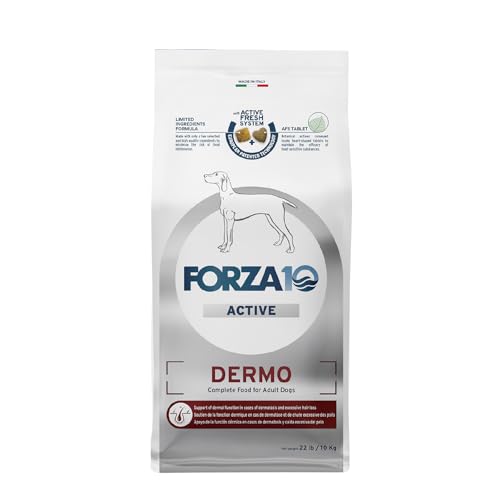
No, dietary adjustments support the epidermal barrier but do not cure primary seborrhea on their own. Seborrheic dermatitis often stems from genetic factors or underlying endocrine issues requiring veterinary diagnosis. Providing specialized formulas like Forza10 Dermo Dry Dog Food delivers omega-3 fatty acids from anchovy oil that help nourish the lipid envelope. Owners should view the Best Dog Foods For Seborrhea as nutritional support rather than medical cures.
Why is hydrolyzed fish protein used in food for skin support?
Hydrolyzed fish protein is broken down into tiny peptides to reduce the risk of triggering an immune reaction. Dogs dealing with scaly coats or suspected food intolerances often react poorly to standard protein sources like beef or chicken. Using simplified fish proteins and fewer than ten key ingredients minimizes antigen exposure while delivering essential amino acids. Reviewing options like eliminating soy from canine diets helps isolate problematic ingredients during feeding trials.
Should you use medicated shampoos alongside dry dog food for seborrhea?
Yes, combining topical washes with nutritional food provides dual-action relief against grease and scaling. Topical treatments like TropiClean OxyMed Medicated Dog Shampoo clear away surface flakes and excess sebum directly from the coat. Meanwhile, balanced dry food supplies fatty acids and antioxidants internally to nourish new skin cells. Managing both topical buildup and dietary nourishment offers a practical routine for uncomfortable dogs in 2026.
What role do omega-3 fatty acids play in canine skin health?
Omega-3 fatty acids help regulate cutaneous lipid production and reduce inflammatory pathways in the skin. Ingredients like anchovy oil provide EPA and DHA, which integrate into cell membranes to strengthen the epidermal water barrier. This lipid balance reduces excessive shedding and prevents the brittle, dry texture often seen in seborrhea sicca. Checking the guaranteed analysis ensures your dog receives adequate fatty acid levels in daily rations.
How long does it take to notice coat improvements after switching foods?
It typically takes six to eight weeks of consistent feeding to observe noticeable coat and skin changes. Canine skin cells undergo a multi-week regeneration cycle, meaning newly formed tissue requires time to reflect dietary adjustments. Switching foods too quickly can also cause loose stool, so gradual transitions over seven to ten days remain necessary. Consistent feeding without unapproved table scraps allows the limited-ingredient profile to work properly.
Are alternative poultry diets effective if fish formulas do not suit my dog?
Some dogs benefit from novel single-protein recipes if they exhibit sensitivities to seafood. While hydrolyzed anchovy recipes provide strong lipid support, checking novel proteins like duck diets for dogs offers a practical alternative for allergic pets. Always inspect the ingredient list for hidden fats or by-products that might trigger secondary skin flare-ups.


Write Your Review
No reviews yet. Be the first to share your experience!