


Walking down the pet food aisle presents dog owners with countless bags advertising grain-free formulas, ancestral diets, and wolf-inspired nutrition. Many pet owners switch to these recipes thinking they are automatically healthier, only to wonder later why is grain free dog food bad according to recent veterinary discussions and news headlines. Canine nutrition involves complex balances of proteins, carbohydrates, and essential amino acids rather than simply eliminating an entire category of plant ingredients. Some owners complement balanced meals with fiber sources like feeding plain green beans to support healthy digestion while sorting out their pet’s core daily diet.
Recent scientific investigations have led veterinary cardiologists and researchers to examine whether certain grain-free feeding practices create unintended nutritional imbalances. The primary concern does not stem from the absence of grains alone, but rather from the high proportion of alternative ingredients such as peas, lentils, and potatoes used to bind kibble. Exploring how these ingredients interact with canine biology helps dog parents evaluate their feeding choices with clear facts. Commercial recipes from brands like Diamond Naturals, The Honest Kitchen, and Nutrish approach grain-free formulation with distinct ingredient profiles that warrant careful inspection.

Pros
- Real deboned salmon is the primary ingredient rather than poultry by-products
- Completely free from corn, wheat, soy, and artificial flavors for allergy-prone dogs
- Fortified with taurine and essential minerals for cardiovascular and immune support
- Manageable 11.5-pound bag size is convenient to carry, pour, and store in tight spaces
Cons
- Carries a noticeable fish aroma that sensitive owners may detect during feeding time
- Does not include a built-in resealable zipper on the packaging, requiring an airtight bin for optimal freshness
- Kibble density may require slow introduction for dogs with selective chewing habits
Rachael Ray Nutrish Grain Free Salmon and Sweet Potato recipe is a dry kibble formulated for dogs across all life stages, from growing puppies to mature seniors. This recipe is designed for dog owners seeking an accessible, protein-forward meal option that excludes poultry and grain ingredients. It serves apartment dwellers, multi-dog households, and budget-conscious pet parents who want dependable daily nutrition without paying specialty boutique prices.
Real salmon serves as the first ingredient, supplying quality amino acids that promote lean muscle maintenance, heart wellness, and steady everyday energy. The inclusion of sweet potatoes provides complex carbohydrates and dietary fiber, which can assist in smoother digestion and firmer stool quality. For canines that suffer from dull coats or dry, itchy skin, the natural omega fatty acids present in fish ingredients often provide noticeable coat shine and soothing comfort.
Many dogs experience digestive sensitivities or skin irritations linked to common proteins like chicken or grains like wheat and corn. By leaving out grain ingredients, gluten, and poultry by-product meal, this formula offers a gentler profile for food-sensitive canines. The kibble is also fortified with taurine, essential vitamins, and chelated minerals to help bolster long-term cardiovascular health and steady immune defenses.
The kibble size is balanced to accommodate small breed jaws as well as medium and large breed dogs. The 11.5-pound bag size is convenient for pet parents who prefer not to lug massive 30-pound sacks up apartment stairs or who have limited pantry storage. To maintain peak aroma and crispness, transferring the dry kibble into an airtight storage container is a smart step, especially since the bag does not feature a heavy-duty slider seal.
While this salmon recipe provides great value and gentle ingredients, it does carry a distinctive fish scent that can linger in open feeding areas. Additionally, dogs transitioning from a poultry-based diet should be switched gradually over seven to ten days to prevent loose stools. Overall, this dry dog food represents a balanced, dependable choice for dog parents looking for poultry-free kibble, reliable digestive comfort, and coat-nourishing omega fatty acids.
The foundation of this formula relies on real salmon, offering a rich natural source of omega-3 and omega-6 fatty acids. These essential fatty acids help nourish sensitive skin barriers, minimize seasonal flaking, and promote a soft, glossy coat across shedding and double-coated breeds alike.
Supplemented with taurine, this recipe actively supports cardiac muscle function and overall circulatory health. The balanced vitamin and mineral profile also assists dogs in maintaining strong natural immunity, joint mobility, and steady vitality through all activity levels.

Pros
- High protein recipe led by real chicken supports active muscle maintenance and organ health.
- Easily digestible grain-free formula is gentle on sensitive stomachs and aids consistent stool quality.
- No poultry by-product meals, artificial flavorings, or wheat gluten additives.
- Substantial 26-pound bag size reduces frequent store runs for busy pet owners.
- Includes added taurine and balanced micronutrients for everyday cardiac and immune wellness.
Cons
- Grain-free formulations may not suit every dog's individual dietary plan without veterinary consultation.
- Large 26-pound bag is relatively heavy and requires an airtight storage bin to maintain optimal freshness.
- Selective eaters that prefer red meat or fish profiles may take time to accept poultry recipes.
Nutrish Grain Free Real Chicken & Sweet Potato Dry Dog Food is a wholesome everyday dry kibble engineered to deliver balanced nutrition across standard adult life stages. The recipe prioritizes farm-raised chicken as its primary ingredient, pairing bioavailable poultry protein with easily digestible carbohydrates. Crafted without filler grains, artificial colors, or poultry by-product meals, this dry food delivers consistent fuel for everyday canine routines while keeping digestive comfort at the forefront.
This kibble formula fits well for multi-dog households, active family companions, and adult dogs of various breed sizes requiring steady daily energy. Budget-conscious pet parents seeking a quality ingredient profile without boutique pet boutique markups will appreciate the practical balance between nutrition and affordability. It is especially suitable for pet owners managing suspected wheat or corn sensitivities, as well as apartment dogs needing reliable nutrition that yields predictable, easy-to-clean digestion.
Digestibility and stool consistency are major performance factors for any daily dry dog food. The combination of real chicken and sweet potatoes provides clean dietary fiber that encourages smooth gastrointestinal motility and compact stools, making backyard cleanup or neighborhood leash walks much simpler. Additionally, the inclusion of essential micronutrients, vitamins, and taurine aids in supporting cardiovascular function, a shiny coat, and resilient joint mobility for running around the dog park or casual weekend hikes.
The formulation avoids low-grade fillers, relying instead on recognizable staples to keep daily feeding straightforward and nourishing. While dry kibble naturally supports mild mechanical dental plaque reduction during chewing, the texture and crunchy bite remain manageable for both medium-sized jaws and larger breed chewers. Standard manufacturing protocols ensure consistent nutritional integrity across batches, while the clean recipe helps dog parents monitor food tolerances without unexpected filler interactions.
At 26 pounds per bag, handling and food freshness preservation require a practical approach. Many dog owners prefer transferring the kibble into an airtight pet food container to protect it from humidity and pantry pests over several weeks of scooping. While grain-free diets continue to be popular for sensitive pups, checking with your primary veterinarian is always a wise step when selecting optimal grain levels for your dog. For pet parents wanting real poultry protein and gentle digestion in a cost-effective bulk package, this recipe remains a dependable pantry staple.
The nutritional architecture of this grain-free blend focuses heavily on lean protein utilization and gut harmony. Real chicken delivers the essential amino acids necessary for maintaining strong muscles, whether your pup is an energetic agility runner or an easygoing neighborhood stroller. Sweet potatoes provide complex carbohydrates and dietary fiber, fostering a balanced microbiome and supporting steady nutrient absorption throughout the day.
Beyond basic macronutrients, the fortified blend features taurine, an essential compound frequently noted for promoting healthy cardiac muscle function. Combined with targeted vitamins and chelated minerals, this balanced meal profile supports sustained immune defense, skin barrier resilience, and everyday vitality across adult life stages.
When introducing this dry kibble to your dog, standard feeding guidelines suggest a gradual transition over 7 to 10 days by mixing increasing portions with their existing food to prevent digestive upset. Consistent measuring cups or an electronic kitchen scale ensure accurate portion control, helping to avoid unintentional weight gain during relaxed indoor routines.
To keep the 26-pound bag fresh and crunchy, store the kibble in a cool, dry area inside an airtight container fitted with a rubber gasket seal. Keeping the food sealed locks in natural aromas that entice your dog during mealtime while keeping external humidity and pests away.

Pros
- 100% human-grade production ensures elevated ingredient purity and food safety
- Twin trial pouches reduce waste when introducing new foods to picky or sensitive dogs
- Eliminates rendered meals, fillers, artificial colorings, and synthetic flavorings
- Crunchy cluster texture doubles effectively as a clean, low-mess training reward
Cons
- Total volume of two pounds empties quickly when feeding medium to large breed dogs exclusively
- Higher price point per pound compared to traditional feed-grade commercial dry kibble
- Firm crunch may need warm water or broth rehydration for older dogs with sensitive teeth
The Honest Kitchen Whole Food Clusters Grain Free Turkey Dry Dog Food trial pack offers pet parents an approachable way to explore human-grade canine nutrition without committing to a massive bag. Crafted as gently prepared clusters rather than conventional extruded kibble, this dry recipe is designed to support dogs across all life stages. It fits neatly into households with new puppies, active adult dogs, or senior companions who require high-quality protein without questionable byproducts. Pet owners managing finicky eaters or dogs with suspected food sensitivities will appreciate the trial size for initial tolerance checks.
Nutritional integrity and digestive safety are primary strengths of this formulation. The recipe eliminates meat meals, feed-grade remnants, carrageenan, and artificial preservatives in favor of whole cage-free turkey, produce, and essential minerals. By avoiding common grain triggers and heavy processing, the food delivers bioavailable nutrients that help maintain lean muscle mass, steady energy levels, and firm stool consistency. It provides complete and balanced nutrition that meets puppy growth profiles as well as adult maintenance benchmarks.
In terms of production standards, The Honest Kitchen relies on human food facility manufacturing. The clusters undergo gentle cold pressing and kettle cooking to preserve natural flavors, dietary antioxidants, and heat-sensitive nutrients that standard high-heat pet kibble extrusion often diminishes. The finished clusters have an appetizing crunch that dogs enjoy, promoting subtle mechanical plaque cleaning during chewing. The resealable 1 lb bags also lock in freshness, preventing the oxidation and nutrient degradation that can occur in large, slowly consumed bags.
Daily use and routine management are straightforward with this packaging. The compact pouches store easily in small apartment pantries, road trip bags, or daypacks for hiking adventures. Because the dry pieces lack greasy topical coatings, they handle cleanly without leaving residue on hands, making them popular among training-focused owners for obedience drills, leash work, and crate reinforcement. They also blend seamlessly as a crunchy topper over existing meals to encourage hesitant eaters without overwhelming their digestive tracts.
A practical limitation rests in the package volume. A total of two pounds across both pouches will not last long if served as the sole daily diet for large breed dogs like Golden Retrievers or Boxers. However, for small breed parents, puppy raisers, or anyone wanting to verify palatability before buying in bulk, this trial pack serves as a convenient and sensible introduction to human-grade feeding.
Clean ingredient sourcing can significantly minimize gastrointestinal distress, itchy skin, and routine digestive discomfort. By bypassing grain, GMOs, gums, and mystery meat meals, this turkey recipe provides a clean single poultry protein that is gentle on sensitive canine stomachs. Dogs prone to food-related allergies often benefit from the transparent, whole-food foundation.
The complete life-stage formula supports bone and muscle development in puppies while offering tissue maintenance and vital organ support for mature adult dogs. Essential fatty acids paired with quality dietary fiber contribute to a soft, lustrous coat and reliable bowel regularity, supporting long-term wellness through wholesome daily nourishment.

Pros
- Compact 3-pound package rehydrates into 18 pounds of fresh raw food, saving substantial storage space
- Features real beef muscle, nutrient-rich organ meat, and collagen-rich chicken bone broth
- Shelf-stable raw format avoids the mess, thawing times, and freezer requirements of standard frozen raw diets
- Completely grain-free, soy-free, and filler-free with zero artificial preservatives or dyes
Cons
- Requires adding water and waiting several minutes for rehydration before serving, unlike instant kibble
- Detailed guaranteed analysis values and explicit AAFCO life-stage adequacy statements are not provided in the listing specifications
- Prepared rehydrated portions cannot sit at room temperature for extended periods and require prompt bowl cleaning
Nature's Diet Simply Raw Freeze-Dried Whole Food Meal in the Beef recipe provides a practical, shelf-stable raw feeding solution for dog owners seeking the benefits of fresh ingredients without managing frozen raw meat. Packed in an easy-to-store 3-pound dry bag, this freeze-dried meal expands to over 18 pounds of fresh whole food once rehydrated with water. It is positioned for pet parents who prioritize clean nutrition, minimally processed whole foods, and the practical convenience of dry storage for home or travel routines.
The foundation of this recipe relies on real animal proteins, including freeze-dried raw beef muscle meat, nutrient-dense organ meat, and chicken bone broth, alongside whole eggs for a complete amino acid profile. Complementing the protein foundation is a blend of vegetables, fruits, nuts, and seeds, as well as fish oil that provides omega-3, omega-6, and omega-9 fatty acids. To assist with gut balance, the formula is supplemented with functional prebiotics and probiotics. The recipe is grain-free and completely avoids soy, GMOs, fillers, unnatural preservatives, and artificial flavorings. Because explicit AAFCO nutritional adequacy statements and life-stage designations are omitted from the supplied specifications, caregivers should review physical packaging to confirm life-stage suitability for puppies or adult maintenance.
Freeze-drying serves as a low-temperature preservation process that extracts moisture while protecting the natural structure and nutritional integrity of raw ingredients. According to the manufacturer, this method eliminates pathogens, making freeze-dried raw one of the safest and cleanest ways to handle a raw diet. The resulting texture is lightweight, mess-free, and easy to measure out, eliminating the freezer burn, leaky packaging, and lengthy thawing times typically associated with standard frozen raw medallions or chubs.
Daily meal preparation is straightforward: simply measure out the desired dry portion, add water, and allow the ingredients to rehydrate for a few minutes until soft and ready to serve. This lightweight profile makes the product especially functional for multi-dog homes with limited freezer space, road trips, camping, and outdoor excursions where keeping fresh raw meat chilled is impractical. Because the product contains rehydrated raw ingredients, any uneaten portions should not be left out in bowls for extended periods, and routine sanitation of feeding dishes remains a good feeding practice.
While the freeze-dried format offers unmatched convenience over frozen raw food, it does demand hands-on preparation time that standard dry kibble does not require. Furthermore, pet parents managing specific dietary restrictions should note that specific guaranteed analysis percentages (crude protein, crude fat, crude fiber, and moisture) and exact calorie densities are not detailed in the supplied listing data. Transitioning an adult dog to a raw freeze-dried formula should always occur gradually over several days to allow the canine digestive system to adapt smoothly.
Nature's Diet Simply Raw Beef Recipe represents a high-quality, practical option for owners seeking transparent ingredients and wholesome animal proteins in an accessible format. Its impressive 1-to-6 rehydration ratio provides noticeable everyday value and pantry efficiency. For households looking to feed raw whole foods without the hassle of freezer storage and defrosting routines, this freeze-dried formula stands out as an appealing choice.
Nature's Diet Simply Raw Beef Recipe is crafted around human-grade, whole-food ingredients designed to support holistic canine wellness. The formula highlights freeze-dried raw beef muscle meat, organ meat, and chicken bone broth to provide rich natural flavor and balanced animal protein.
The recipe incorporates whole eggs, vegetables, fruits, nuts, and seeds, alongside fish oil that supplies essential omega-3, omega-6, and omega-9 fatty acids for skin and coat care. The formula is free from grains, soy, GMOs, fillers, artificial preservatives, dyes, and added flavorings, with added prebiotics and probiotics to aid digestion.
Simply Raw is designed for effortless preparation without the mess of thawing frozen meat. To serve, portion the freeze-dried food into your dog's bowl, add water according to your preferred feeding consistency, and allow the mixture to soak for a few minutes until fully rehydrated.
One 3-pound bag expands to over 18 pounds of fresh, raw whole food. Once rehydrated, meals should be served promptly, and any leftover moist food should be handled with standard fresh food safety precautions, including regular washing of bowls and feeding utensils.
The freeze-drying process removes moisture to create a shelf-stable food that can be kept in a standard pantry or cabinet without refrigeration prior to opening and rehydrating. This eliminates the need for dedicated freezer space often demanded by fresh or raw canine diets.
Weighing just 3 pounds, the lightweight bag is exceptionally portable, making it an excellent feeding solution for travel, hiking, camping, and emergency kits where bulky bags of kibble or refrigerated fresh foods are difficult to transport.
Pros
- Real wild-caught fish is declared as the first ingredient for a quality animal protein source
- Formulated with guaranteed levels of proprietary probiotics to support digestive health
- Includes a fatty acid blend and antioxidant-rich superfoods for skin and coat care
- Generous 28-pound bag offers practical everyday value for medium to large households
Cons
- Specific guaranteed analysis percentages and calorie counts are not listed in the provided product details
- Large 28-pound bag requires dedicated airtight storage space to maintain peak kibble freshness
- Grain-free formulations are not universally required for all dogs and should be discussed with a veterinarian
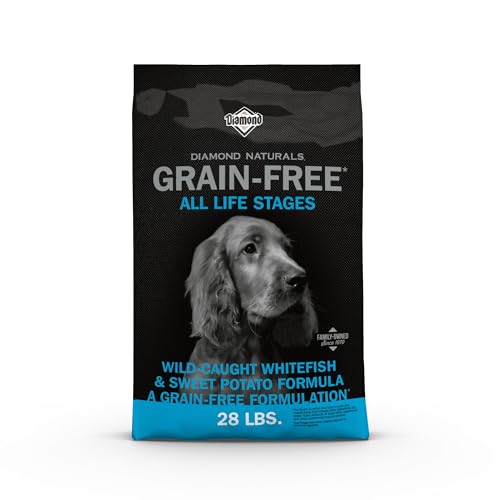
Diamond Naturals Grain-Free Wild-Caught Whitefish Dry Dog Food is an everyday dry kibble tailored for dog owners seeking a fish-forward recipe without grains. Packaged in a convenient 28-pound bag, this dry food is positioned around real wild-caught fish as the foundational animal protein source. It is suited for households looking for alternative protein options, whether managing routine rotational diets or feeding dogs that prefer the flavor of fish over poultry or red meat.
From a nutritional standpoint, the manufacturer highlights real wild-caught fish as the primary ingredient to supply an optimal amino acid profile for lean, strong muscle maintenance. The kibble is enriched with added vitamins and minerals to fulfill daily nutritional needs, along with fruits and vegetables selected as superfoods to deliver hard-working antioxidants. To promote outer wellness, a dedicated fatty acid blend helps nourish the skin and coat, while proprietary probiotics at guaranteed levels are included to survive and support digestive balance within the gastrointestinal tract.
As a dry food format, this kibble offers simple measuring and room-temperature storage without requiring immediate refrigeration. The 28-pound bag, measuring approximately 5 x 17 x 25 inches, is sized well for medium-to-large dogs or multi-dog households where smaller bags run out too quickly. The crunchy dry texture allows owners to easily measure meal portions using standard scoops, making it straightforward to maintain a consistent daily feeding schedule.
When transitioning your dog to this wild-caught whitefish recipe, introducing the new food gradually over seven to ten days helps minimize potential digestive upset. Owners should consult the feeding guidelines on the physical bag label to determine baseline portions according to the dog's body weight and activity level. Because maintaining probiotic viability and fatty acid freshness is essential, storing the food in an airtight container in a cool, dry area helps protect the kibble from humidity and air exposure.
While this recipe provides functional benefits such as probiotics and superfoods, detailed nutrient specifications such as crude protein, crude fat, crude fiber percentages, and calorie density per cup are not provided in the basic listing data. In addition, grain-free recipes are not necessary for every dog, so pet parents addressing specific skin or digestive concerns should seek veterinary advice to ensure this formula matches their pet's health requirements.
For owners seeking a fish-first dry dog food made in the USA by a family-owned company, Diamond Naturals Grain-Free Wild-Caught Whitefish presents a thoughtful balance of quality protein, digestive probiotics, and coat-supporting fatty acids. It stands as a reliable, bulk-sized dry food choice for dog owners who prefer grain-free feeding routines.
This Diamond Naturals formula is crafted completely without grains, catering to dog owners who choose to exclude wheat, corn, or other grains from their pet's feeding regimen. By relying on alternative carbohydrate sources paired with wild-caught fish, the recipe aims to provide energy and balanced nutrition.
It is worth noting that grain-free diets do not represent a universal health requirement for every dog. Owners evaluating grain-free food for their pets should discuss dietary choices with a veterinarian to confirm it aligns with individual metabolic and nutritional needs.
The 28-pound single-bag packaging offers substantial volume that helps reduce the frequency of pet food reordering for busy households. Its physical dimensions of 5 x 17 x 25 inches make it manageable for standard pantry shelving or utility closet storage.
To help maintain the stability of the proprietary probiotics and protect the quality of the fatty acid blend, keep the kibble inside a sealed, airtight storage container placed in a dry, temperature-controlled environment away from direct sunlight.

Pros
- Real pasture-raised lamb and bison serve as primary protein sources
- High 30 percent protein profile delivers ample energy for playful and active dogs
- Includes active prebiotics and probiotics to support digestive comfort and firm stools
- Non-GMO produce and zero artificial fillers ensure clean daily nutrition
Cons
- The 4-pound bag size depletes quickly in large breed or multi-dog households
- Grain-free formulation may not suit dogs whose veterinarians recommend whole grains
- Carries a higher price per pound compared to standard mass-market kibble
I and love and you Naked Essentials Lamb and Bison Dry Dog Food is a grain-free, protein-forward kibble designed to provide nutrient-dense daily sustenance for dogs. Built around pasture-raised red meat sources, this recipe avoids standard bulk fillers like wheat, corn, and rice in favor of easily digestible whole foods. The focus on real meat ingredients gives dogs a flavorful meal that aligns with their natural carnivorous cravings while delivering balanced holistic nutrition.
This formula is well suited for active dogs that burn plenty of calories, small breed pups requiring nutrient-dense calories per cup, and dogs prone to digestive trouble from common grains. Apartment dwellers will appreciate the tidy, manageable footprint of the four-pound bag, which tucks easily into pantry bins without taking over precious floor space. It also serves as an outstanding trial option for picky eaters who routinely turn away from basic chicken or beef dry foods.
In everyday feeding routines, the inclusion of digestive aids helps support regular, firm stools and keeps backyard or dog park cleanups hassle-free. The balanced fatty acids and clean proteins nourish the skin barrier to promote a noticeably softer coat, while the 30 percent crude protein level supports muscular tone during daily walks, fetch sessions, or agility training. Many pet owners find that the nutrient density allows them to feed moderate portions while keeping their pup satisfied between meals.
The ingredient deck reflects careful selection, featuring non-GMO produce alongside pasture-raised lamb and bison without relying on synthetic fillers or poultry by-products. Formulated alongside holistic veterinary insight, every batch provides balanced vitamins and minerals to support joint health, immune defense, and cardiac function across adulthood. Eliminating low-value grains helps reduce the risk of common allergy-related paw licking and ear irritation.
Transitioning onto this food should be handled gradually over seven to ten days by mixing increasing amounts into your dog's current diet to prevent temporary stomach upset. While the four-pound bag is practical for smaller dogs, owners of large breeds will likely find that buying larger bulk sizes is more practical for long-term feeding. For dog parents seeking a dependable, digestive-friendly red meat diet made with honest ingredients, this dry food delivers consistent quality and nourishment.
The core advantage of this recipe centers on its dual prebiotics and probiotics blend, which continuously replenishes beneficial gut flora for smoother digestion and optimal nutrient absorption. Dogs with sensitive stomachs often experience fewer bouts of gas, loose stools, or post-meal lethargy when fed balanced, microbiome-friendly ingredients.
In addition to gut support, the pasture-raised lamb and bison provide rich levels of essential amino acids that maintain lean muscle tissue and joint health. The absence of empty cereal fillers ensures that daily calories actively support sustained energy, clear skin, and a glossy coat rather than contributing to excessive weight gain.


Understanding Grain-Free Diets, Canine Health, and Nutrition Realities
Veterinary researchers began raising questions about grain-free dog diets when clinical teams observed an unexpected rise in canine dilated cardiomyopathy among breeds without an established genetic risk. The discussion centers around the relationship between high legume concentrations, amino acid absorption, and heart muscle function. Pet owners often ask whether grain-free kibble poses an active danger or if the risks relate to specific manufacturing formulations. Examining canine physiology, research data, and ingredient labels provides the answers needed to make safe feeding choices for household pets.
The primary concern in the pet food community does not stem from the absence of cereal grains alone. Nutritional controversy focuses on the heavy use of pulse legumes and root starches that manufacturers use to replace corn, wheat, and rice. Understanding the difference between marketing claims and canine metabolic requirements helps pet owners navigate conflicting advice. Clear evidence from veterinary investigations offers practical guidance for selecting balanced diets that protect canine longevity.
The Evolution of Grain-Free Marketing and Canine Biology
Pet food manufacturers began heavily promoting grain-free diets in the early 2000s by comparing domestic dogs directly to wild ancestral wolves. Marketing campaigns suggested that grains like corn, wheat, and barley served only as cheap fillers without nutritional benefit to canines. These advertisements convinced millions of pet owners that feeding grain-inclusive recipes was biologically inappropriate for their animals. The narrative created an intense consumer demand for recipes packed with novel carbohydrates and grain alternatives.
Canine genetic research reveals a distinct evolutionary path from standard pet food marketing assumptions. Domestic dogs possess multiple copies of the AMY2B gene, which encodes pancreatic amylase responsible for starch digestion. Wolves maintain only two copies of this gene, while domestic dogs developed numerous copies as they lived alongside agricultural human settlements over millennia. This evolutionary adaptation allows healthy domestic canines to process cooked carbohydrates and grains with high digestive efficiency.
The FDA Investigation and Canine Dilated Cardiomyopathy
The United States Food and Drug Administration issued a formal public alert in 2018 regarding an unusual surge in canine dilated cardiomyopathy. Dilated cardiomyopathy, commonly known as DCM, is a serious cardiac disease characterized by thinned heart walls and weakened pumping ability. When the heart muscle stretches and weakens, fluid accumulates in the lungs and chest, eventually leading to congestive heart failure. Historically, this disease appeared primarily in large breeds with known genetic predispositions, such as Doberman Pinschers and Boxers.
Veterinary cardiologists began diagnosing DCM in atypical breeds that rarely showed genetic susceptibility to primary heart failure. Golden Retrievers, French Bulldogs, Whippets, and various mixed breeds suddenly presented with severe ventricular dilation. When clinicians reviewed the dietary histories of these affected dogs, a striking pattern emerged across different geographical regions. Over ninety percent of the reported cardiac patients were eating commercial grain-free diets containing high concentrations of peas, lentils, or potatoes.
The federal regulatory agency clarified that grain-free dog food has not been subjected to mandatory recalls because a single chemical cause has not been proven. Researchers continue investigating whether specific processing conditions, altered ingredient ratios, or trace antinutrients create chronic cardiac stress. In many documented clinical cases, dogs that were switched to grain-inclusive diets and given medical management showed measurable echocardiographic improvements. This clinical recovery suggests that dietary factors play an active role in reversible forms of canine cardiomyopathy.
The Impact of Pulse Legumes, Potatoes, and Ingredient Fractionation
Dry dog food requires structural starches to bind ground ingredients together during the mechanical extrusion process. When manufacturers remove traditional grains, they must substitute substantial quantities of alternative carbohydrate binders. Pulse legumes, such as yellow field peas, green peas, chickpeas, and lentils, emerged as the primary binders in modern grain-free recipes. Potatoes and tapioca starches are also frequently chosen to supply structural consistency in extruded kibble.
Ingredient fractionation, commonly referred to as ingredient splitting, allows pet food companies to alter the visual ranking of label components. A manufacturer might list real meat as the first ingredient while dividing peas into whole peas, pea protein, pea flour, and pea fiber lower on the list. If all pea derivatives were combined into a single entry, legumes would frequently occupy the primary spot by total weight. This formulation approach allows brands to market a meat-first identity while relying heavily on plant-based legumes for overall volume.
Legumes contain naturally occurring compounds known as antinutrients, including phytates, tannins, and oligosaccharides, that can interfere with normal digestive enzymes. Phytates can bind essential minerals like zinc, magnesium, and iron, preventing optimal absorption in the small intestine. High concentrations of fermentable legume fiber can also speed up gastrointestinal transit or shift microbial fermentation in ways that alter amino acid uptake. These physiological factors highlight why substituting massive quantities of pulses for traditional grains introduces unintended digestive variables.
Understanding Taurine, Amino Acids, and Nutrient Bioavailability
Taurine is an organic amino sulfonic acid that plays an indispensable role in maintaining heart muscle contraction, eye health, and bile salt production. Unlike cats, which cannot synthesize taurine and must obtain it directly from their diet, healthy dogs can produce taurine endogenously. Dogs synthesize taurine in the liver using the sulfur-containing amino acids methionine and cysteine. Animal muscle meats and organ tissues supply abundant amounts of these natural precursor amino acids.
Diet-associated heart issues can emerge when dog food recipes contain inadequate bioavailable methionine or cysteine to support internal taurine synthesis. When grain-free diets replace animal meat with pulse proteins, the total dietary pool of sulfur amino acids may decline significantly. Some dogs also excrete bile acids more rapidly when digesting heavy legume fibers, depleting their body stores of recycled taurine. To help counter these concerns, commercial recipes such as Nutrish Grain Free Salmon Dry Dog Food add supplemental taurine directly into the nutrient blend.

Veterinary cardiologists have observed that some dogs suffering from diet-related DCM actually maintain normal blood and plasma taurine concentrations. This finding demonstrates that taurine deficiency alone does not explain every single case of grain-free cardiomyopathy. Other possible pathways, including altered bioavailability of trace minerals or low-level dietary toxins in legume seeds, are currently being investigated. Providing high-quality meat protein, such as the pasture-raised lamb and bison found in I and love and you Naked Essentials Dry Dog Food, helps maintain a robust amino acid profile.
True Canine Allergies versus Common Dietary Myths
Many pet owners purchase grain-free food under the false assumption that grains represent the leading cause of skin allergies and chronic itching in dogs. Scientific veterinary dermatology studies consistently show that food allergies account for only about ten percent of all allergic skin diseases in dogs. Environmental allergens like flea bites, tree pollens, mold spores, and house dust mites cause the vast majority of pruritus and dermatitis. Grains are rarely the primary trigger when an actual adverse food reaction occurs.
Documented canine food allergies are almost exclusively caused by intact animal proteins that a dog’s immune system identifies as foreign invaders. Clinical studies identify beef, dairy, chicken, wheat, and egg as the most common dietary allergens in canines, with meat proteins heading the list. A dog reacting to chicken will continue itching regardless of whether that chicken is paired with brown rice or field peas. Switching to a grain-free chicken food fails to resolve symptoms because the offending poultry protein remains present in the bowl.
Accurately identifying a canine dietary allergy requires a strict elimination diet trial supervised by a licensed veterinary professional over eight to twelve weeks. These diagnostic trials utilize novel protein recipes or veterinary therapeutic hydrolyzed diets where proteins are broken down below the detection limit of the immune system. Simply rotating through commercial retail grain-free foods rarely solves chronic skin or ear problems. Pet owners often waste valuable time and money swapping grain-free formulas while the underlying environmental or protein allergy continues unchecked.
Comparing Nutritional Contributions of Whole Grains and Grain Substitutes
Whole grains provide valuable functional nutrients that support canine digestion, metabolic stability, and everyday energy levels. Wholesome cereal grains such as brown rice, barley, oats, and sorghum supply complex carbohydrates that digest steadily without causing sharp blood sugar spikes. These grains are naturally rich in essential B vitamins, magnesium, iron, selenium, and dietary linoleic acid. Linoleic acid is an essential omega-6 fatty acid necessary for maintaining skin barrier integrity and a glossy canine coat.
The soluble and insoluble fibers found in traditional cereal grains function as excellent prebiotics that nourish beneficial bacteria in the canine colon. Microbial fermentation of grain fiber produces short-chain fatty acids that support intestinal cell renewal and optimize stool consistency. Grain-free recipes must rely on alternative fibers like beet pulp, tomato pomace, or pea fiber to produce similar digestive benefits. When alternative fibers are poorly balanced, dogs may experience gas, loose stools, or reduced nutrient uptake.
Alternative carbohydrates, such as the sweet potatoes used in Nutrish Grain Free Chicken Dry Dog Food, offer rich sources of beta-carotene and potassium. Sweet potatoes supply easily digestible fiber that supports sensitive digestive tracts without introducing heavy pulse concentrations. Purified tapioca and white potato starches supply quick caloric energy but lack the micronutrient density found in intact whole grains. Evaluating the complete carbohydrate composition of a dog food reveals whether a formula provides genuine nutrition or merely avoids specific grain names.
Evaluating Processing Methods Across Commercial Formulations
The manufacturing method used to create dog food plays an important role in preserving natural vitamins, enzymes, and amino acid integrity. Conventional kibble undergoes high-heat extrusion that cooks starches thoroughly to create expandable, shelf-stable crunchy pieces. The Honest Kitchen Whole Food Clusters Grain Free uses an alternative approach with human-grade ingredients kettle-cooked in small batches before being cold-pressed and dehydrated. Human-grade processing requires facilities to meet human food safety standards, avoiding feed-grade meat meals and excessive processing temperatures.
Freeze-drying offers a specialized preservation technique that removes moisture through cold sublimation without applying denaturing heat. Nature’s Diet Simply Raw Freeze-Dried Whole Food utilizes freeze-dried raw beef muscle, organ meat, and chicken bone broth to deliver dense nutrition. Because freeze-dried foods do not rely on extrusion machinery to form uniform kibble shapes, they require far fewer starchy binding agents or pulse fillers. This processing approach allows manufacturers to emphasize raw whole foods, superfoods, and active probiotics without overloading the recipe with peas or lentils.
Safe Feeding Management, Storage, and Transition Guidance
Switching a dog from one diet to another requires a gradual transition period lasting seven to ten days to prevent digestive upset. Abrupt dietary modifications can overwhelm intestinal microflora, leading to loose stools, vomiting, and abdominal cramping. Pet owners should introduce the new food gradually by mixing twenty-five percent new recipe with seventy-five percent old recipe for several days. Increasing the proportion of the new food every two to three days allows the canine gastrointestinal tract to adjust smoothly.
Proper storage practices are vital for preventing fat oxidation, nutritional degradation, and microbial contamination in dry and freeze-dried pet foods. Storing dry kibble in original packaging inside dedicated pet food travel containers protects valuable fats and omega fatty acids from exposure to light, oxygen, and humidity. Multi-layered commercial food bags are engineered to resist moisture transfer and preserve the viability of sensitive ingredients. Keeping pet food in cool, dry indoor spaces maintains freshness and prevents insect infestations during everyday storage and travel.
Rehydrating freeze-dried recipes demands attention to clean water sources and sanitary serving bowls to maintain food safety. Water activates freeze-dried ingredients, expanding them into fresh meals that must be consumed promptly to avoid bacterial growth at room temperature. Proprietary probiotics, such as those included in Diamond Naturals Grain-Free Dry Dog Food, remain dormant in dry environments but require proper storage conditions to survive until feeding. Washing food bowls daily with hot water and dish soap removes lipid residues and prevents bacterial accumulation.
Determining When Grain-Free Diets Serve a Legitimate Purpose
Grain-free food can serve as an appropriate nutritional strategy for canines with confirmed grain sensitivities or specific medical indications. Some dogs suffering from inflammatory bowel conditions or digestive intolerances show firmer stools and better comfort on grain-free formulas. High-protein diets utilizing novel animal sources, such as wild-caught fish or pasture-raised bison, provide excellent muscle-building fuel for highly athletic working canines. When selecting these recipes, pet owners should verify that the food carries an official nutritional adequacy statement for the appropriate life stage.
Evaluating why is grain free dog food bad reveals that the primary issue is not the absence of grains, but rather the heavy reliance on pulse legumes and untested ingredient combinations. Choosing brands that prioritize bioavailable animal proteins, controlled legume levels, and essential amino acid fortification helps safeguard canine health. Routine veterinary consultations, annual cardiac checks, and mindful ingredient inspection ensure your dog receives safe, nourishing meals tailored to their individual metabolic needs. Pet parents can make confident feeding decisions by prioritizing substantiated nutritional balance over passing marketing trends.


Write Your Review
No reviews yet. Be the first to share your experience!