
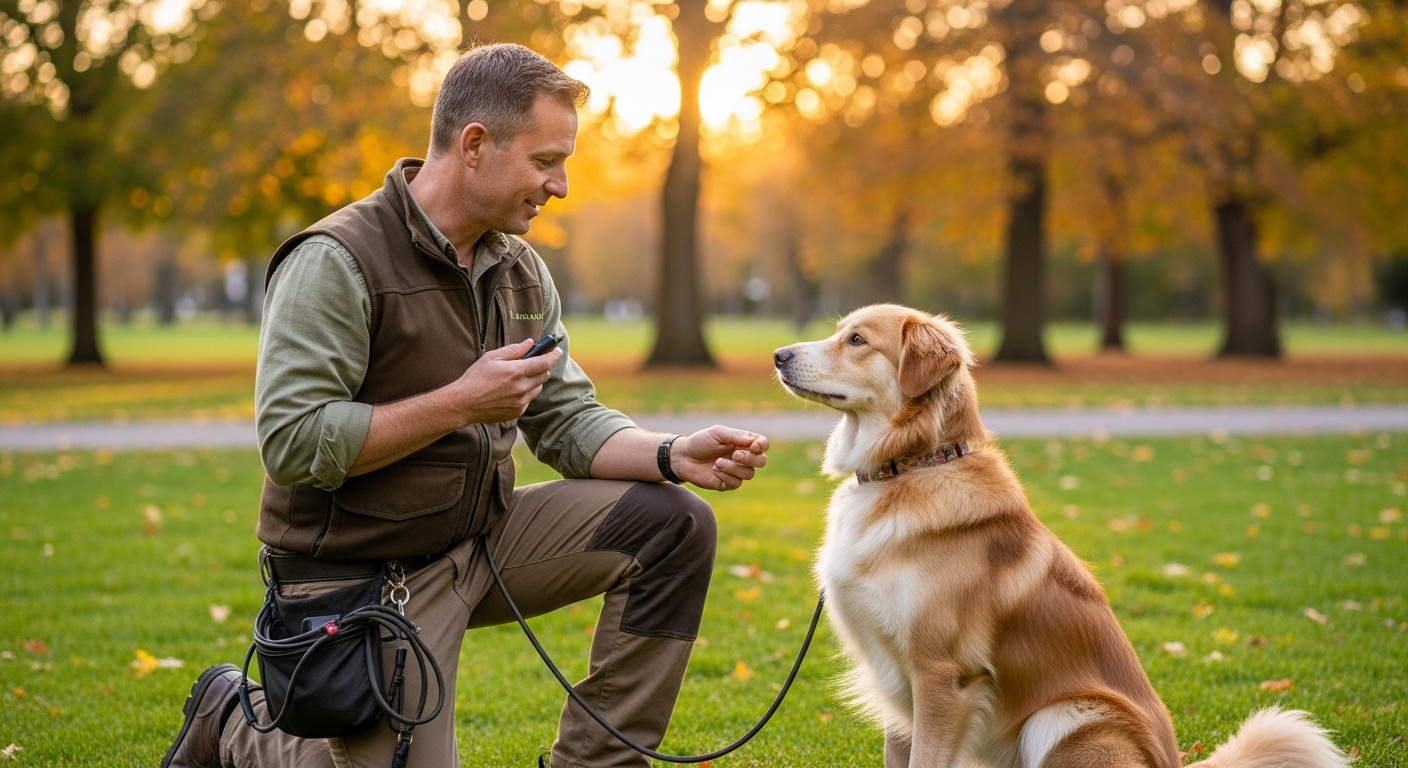

Chewing serves as an instinctual activity that helps dogs manage boredom, burn mental energy, and satisfy natural urges. Many pet owners wondering is porkhide safe for dogs look for alternatives to traditional rawhide chews that might present digestive challenges. Porkhide options, such as Ol’ Roy Porkhide Natural Smoked Flavor Twists Chew, have become popular because pig dermis breaks down more readily in canine stomach acid. Providing satisfying chews while maintaining daily safety requires a clear look at ingredient simplicity, processing, and supervised chewing habits.
Selecting the right chew treat also depends on your dog’s bite strength, eating speed, and general gastrointestinal tolerance. Pair outdoor exercise routines using harnesses for large pulling dogs with quiet indoor chew time to balance energy management throughout the day. Even with treats made from minimal ingredients, owners should understand that edible chews are supplemental items rather than complete nutritional meals. Monitoring how your dog interacts with a twist chew remains the most effective step in preventing accidental choking or digestive upset.

Pros
- Simple two-ingredient formulation with real porkhide and natural smoke flavor
- No added grains, gluten, artificial dyes, or chemical preservatives
- Resealable pouch keeps the remaining 20 treats fresh between chew sessions
- Cost-effective chew option suitable for multi-dog households and daily enrichment
Cons
- Aggressive chewers may consume these relatively quickly compared to thick beef rawhide or antlers
- Always requires active pet parent supervision to prevent accidental gulping of small end pieces
- Porkhide treats may not be suitable for dogs with sensitive digestive systems or specific pork allergies
The Ol' Roy Porkhide Natural Smoked Flavor Twists are chew-style dog treats designed to satisfy a canine's instinctual urge to gnaw. Packed in a 22-ounce bag containing 20 individual twists, these treats are geared toward pet parents who want an affordable everyday chew for their furry family members. Whether you manage a busy multi-dog household, want to keep an apartment dog quiet during video calls, or need an engaging reward for crate training, these porkhide twists offer an accessible, flavorful option.
In terms of practical enrichment, active chewing serves as a natural stress reliever for dogs facing mild separation anxiety or everyday boredom. Offering a smoked twist can redirect destructive chewing habits away from living room furniture, baseboards, or shoes. The spiral shape provides an engaging mouthfeel that encourages dogs to work their jaws, which can also help scrape away soft plaque along the gumline through mechanical action.
The ingredient profile is remarkably straightforward. These chews are made with just two ingredients: real porkhide and natural smoked flavor. There are no added grains, gluten, artificial coloring agents, or chemical preservatives, making them a cleaner alternative to heavily processed composite chews. For dogs that tolerate pork well, porkhide is often considered a lighter, easier-to-digest alternative to traditional heavy cattle rawhide.
Day-to-day usability is straightforward thanks to the resealable 22-ounce pouch, which keeps the twists pliable and aromatic between chew sessions. The manufacturer includes weight-based serving guidelines right on the back of the package, helping pet owners gauge how frequently to offer a twist based on their dog's body size. This helps maintain balanced daily calorie intake while providing enjoyable downtime.
As with any natural hide chew, pet owners should account for realistic limitations. These twists are relatively light and slender, which means determined aggressive chewers or giant breeds may finish them in just a few minutes. Additionally, dogs that tend to gulp treats whole require close supervision to ensure they do not swallow large residual end pieces, which could pose a choking hazard or digestive roadblock.
For budget-conscious dog owners, puppy parents managing the teething phase, or owners of moderate chewers, the Ol' Roy Porkhide Twists represent practical, cost-effective chew enrichment. They work best as monitored treats given during relaxation periods, crate downtime, or post-walk settling routines.
When introducing porkhide treats into your dog's routine, monitoring is always recommended from start to finish. Ensure your dog has plenty of fresh drinking water available, as natural chewing stimulates saliva and increases hydration needs. If your dog has never had porkhide before, offer a single twist first to ensure their digestive system tolerates pork protein comfortably.
Always remove the remaining stub once the twist gets chewed down to a size that your dog could swallow whole. Following the package feeding chart according to your dog's target weight helps prevent excessive caloric intake, keeping your dog lean, active, and satisfied between regular meals.
Understanding Porkhide Safety, Digestibility, and Practical Chew Habits
Porkhide is generally safe for healthy adult dogs when owners provide direct supervision and offer it in sensible moderation. Unlike heavy rawhide derived from cattle, porkhide is crafted from pig skin, which has a cellular matrix that softens and breaks down far more readily in canine gastric acids. Even so, safety is never absolute because individual chewing habits, treat dimensions, and digestive tolerances dictate how each pet responds. Balancing natural chewing desires with physical choking prevention allows pet owners to make informed, protective decisions for their animals.
What Porkhide Is and How It Differs From Traditional Rawhide
Commercial porkhide treats originate from pig skin rather than the dense inner hides of cattle. Traditional beef rawhide consists of tightly woven collagen sheets that require intensive chemical soaking, bleaching, and extensive digestion time to soften. Pig skin features a naturally looser fiber structure that yields much faster when exposed to canine saliva. Because the material turns pliable quickly, dogs can gnaw it down without facing the same rubbery resistance typical of cowhide.
Manufacturing practices also set porkhide apart from older styles of animal chews. While beef rawhide often undergoes chemical baths and artificial glue applications to hold shaped knots together, porkhide items like twists are usually baked or naturally smoked. This minimal thermal processing dries the tissue while preserving an appealing meat scent that dogs find enticing. Pet parents seeking alternatives to heavily processed cattle chews often select porkhide for this cleaner structural profile.
Canine Digestive Mechanics and Stomach Breakdown
A dog’s gastrointestinal tract relies on concentrated stomach acid specifically designed to digest animal proteins and tissues. When a dog chews porkhide, salivary moisture starts the initial softening process before swallowed fragments ever land in the stomach. Once ingested, gastric juices penetrate the porous collagen fibers of pig skin much more effectively than dense cowhide. This biological efficiency reduces the likelihood of hard, insoluble pieces remaining lodged in the stomach cavity for days at a time.
Digestive performance still varies based on the individual dog’s size, age, and gastrointestinal sensitivity. Healthy dogs with strong digestive activity process softened pork skin fragments smoothly, allowing nutrients to pass naturally into the intestines. Dogs with delicate digestive systems or low digestive enzyme production may occasionally experience loose stools if they consume rich pork treats too quickly. Observing your dog’s stool consistency after treat sessions provides immediate insight into how well their body handles the chew.
Managing Physical Risks: Choking and Obstruction Hazards
The primary acute risk associated with any edible chew is the physical danger of choking or esophageal blockage. Enthusiastic dogs frequently attempt to swallow the final few inches of a twist chew whole rather than chewing it completely. If a large segment becomes lodged in the throat, it can block airflow and trigger a critical medical emergency. Responsible owners must intervene before a chew wears down to a size that fits entirely inside the dog’s mouth.
Intestinal obstructions represent another serious risk when unchewed chunks slip past the stomach without adequate breakdown. A solid fragment that enters narrow intestinal pathways can scrape against mucosal linings and cause complete blockages requiring emergency surgical intervention. Active pets returning from high-energy outdoor sessions managed with no-pull dog harnesses for high-energy dogs often arrive home excited and thirsty. Allowing your pet to rest and drink water before offering a chew reduces hurried gulping behaviors.
Mechanical Tooth Action and Dental Considerations
Satisfying a dog’s chewing drive with textured porkhide can provide mild mechanical benefits for oral hygiene. As teeth work against the fibrous surface of the twist, abrasive contact helps remove soft plaque buildup before it hardens into tartar. Unlike synthetic bones or dense hooves that can chip teeth, softened porkhide yields gently under jaw pressure. This moderate give helps protect enamel from micro-fractures during vigorous chewing sessions.
However, edible chews should never be viewed as a full substitute for veterinary dental care or regular brushing. Mechanical gnawing cleans only the visible crowns of teeth and cannot address bacteria accumulating below the gumline where periodontal disease originates. Additionally, dogs with loose teeth, worn dentition, or gingivitis may experience irritation when gnawing firm treats. Inspecting your dog’s mouth periodically ensures that chewing activities remain comfortable and free from bleeding gums.
Ingredient Simplicity and Recipe Transparency
Simplicity in recipe formulation is a valuable attribute for pet parents managing canine diets. Many commercial treats contain long ingredient lists filled with artificial colors, synthetic chemical flavorings, and unnecessary binding fillers. Products like Ol’ Roy Porkhide Natural Smoked Flavor Twists Chew keep formulas minimal by using only two basic ingredients: real porkhide and natural smoke flavor. Choosing chews with minimal components eliminates unnecessary additives that could otherwise provoke food sensitivities.
Formulas crafted without added gluten or grains accommodate dogs requiring straightforward ingredient profiles. While grains are completely acceptable for many canines, dogs with specific dietary intolerances often fare better on clean, meat-based snacks. The natural smoked flavor enhances aroma, capturing canine interest without synthetic palatability enhancers. A clear, limited-ingredient panel also makes it easy for owners to track what their pet consumes.
Calorie Moderation and Weight-Based Serving Guidelines
Edible chews are supplementary treats that do not replace complete and balanced canine nutrition. Leading veterinary guidelines recommend that total treat calories make up no more than ten percent of a dog’s daily caloric budget. Overfeeding chews can displace essential nutrients from standard meals, eventually leading to nutritional deficits or unwanted weight gain. Maintaining strict portion moderation preserves your dog’s overall nutritional balance while still offering fun chewing enrichment.
Treat packaging regularly features weight-based feeding suggestions on the back of the bag to guide daily allowances. Smaller dogs weighing under twenty pounds require far less chew volume than large breeds weighing over seventy pounds. Working dogs engaged in rigorous outdoor training on durable dog training leashes burn through calories more rapidly than sedentary house dogs. Matching chew frequency to your dog’s actual weight and daily energy expenditure prevents unwanted weight gain over time.
Supervision Protocols and Managing Chewing Personalities
Direct supervision is the most vital safety habit an owner can maintain during any treat session. Chews should never be handed out when dogs are left alone in crates, backyards, or empty rooms. Unexpected choking events or sudden throat obstruction require immediate human intervention to keep the dog safe. Staying within close visual range allows you to monitor how the chew breaks down and take action when needed.
Different dogs display distinct chewing styles that dictate how safe a chew treat may be. Gentle gnawers hold items carefully between their paws, working slowly on outer fibers with their back molars. High-drive gulpers, on the other hand, attempt to snap twists in half and swallow large pieces without chewing. If your dog is a confirmed gulper, holding one end of the chew or choosing alternative enrichment toys may be far safer.
Multi-pet households present unique chewing dynamics that warrant extra precautions. Dogs often eat faster when other animals are nearby because they fear their valuable treat might be taken away. This competitive stress drastically increases the risk of swallowing large chunks whole. Separating pets into different rooms during treat time eliminates resource guarding and encourages slower, safer chewing speeds.
Recognizing Intolerance and Digestive Distress
Introducing novel treats into your dog’s routine can occasionally trigger mild gastrointestinal adjustments. While most canines process porkhide without incident, sensitive stomachs might react with temporary soft stools or mild gas. These mild symptoms usually subside quickly once the canine microbiome adapts to the rich animal protein. If loose stools continue for more than twenty-four hours, treat sessions should be paused immediately.
Owners must remain watchful for acute physical symptoms that signal a dangerous blockage or severe intolerance. Red-flag symptoms include persistent vomiting, retching without producing vomitus, sudden lethargy, and signs of abdominal tenderness. A dog with an intestinal blockage will often pace uncomfortably, refuse meals, and curl into guarded postures. If you notice any of these serious warning signs following a chew session, contact a veterinarian immediately.
Freshness Preservation and Safe Storage Practices
Proper storage safeguards both the nutritional safety and palatability of dried porkhide chews. Moisture is the greatest enemy of dehydrated animal products because humidity can foster mold growth. Treats packaged in resealable twenty-two-ounce pouches should be zipped closed tightly after every use to lock out ambient moisture. Storing the bag in a cool, dark cupboard preserves the natural smoky flavor while preventing premature spoilage.
Pet owners should also practice hygienic handling habits around animal-based treats. Always wash your hands with warm soap and water after handling porkhide to prevent transferring residue to household surfaces. Store treat bags securely out of your dog’s reach to prevent accidental counter-surfing or bin-raiding. Dogs that break into treat bags can gorge on multiple chews at once, leading to severe gastrointestinal distress.
Veterinary Boundaries and Health Considerations
Consulting your family veterinarian is an essential step when introducing new chews to dogs with underlying medical conditions. Pets with chronic pancreatitis, inflammatory bowel disease, or strict low-fat diets require closely regulated food sources. Even though rendered pig skin contains less fat than raw pork, the concentrated protein density can still irritate compromised metabolic systems. A quick check with your veterinary team confirms whether porkhide aligns with your dog’s health plan.
Age and dental condition also influence whether porkhide is appropriate for your pet. Puppies younger than six months possess delicate baby teeth that are prone to cracking under excessive jaw pressure. Senior dogs with thinning enamel or periodontal disease may find firm chews too taxing on aging gums. Your veterinarian can recommend tailored, stage-appropriate enrichment items that protect your dog’s teeth and digestive system.
Integrating porkhide into your dog’s weekly enrichment routine is safe when approached with direct supervision, sensible portion sizing, and careful attention to your pet’s eating habits. Options made with minimal ingredients and natural smoking techniques offer satisfying gnawing action that dissolves more readily than dense rawhide. By monitoring each chew session closely and discarding small leftover remnants, you can provide rewarding indoor activity while protecting your dog’s wellbeing.


Write Your Review
No reviews yet. Be the first to share your experience!