


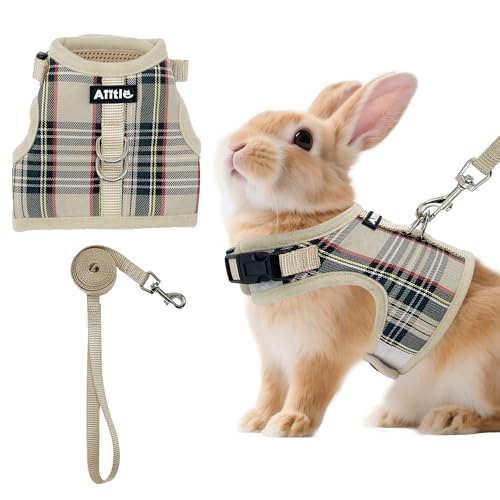
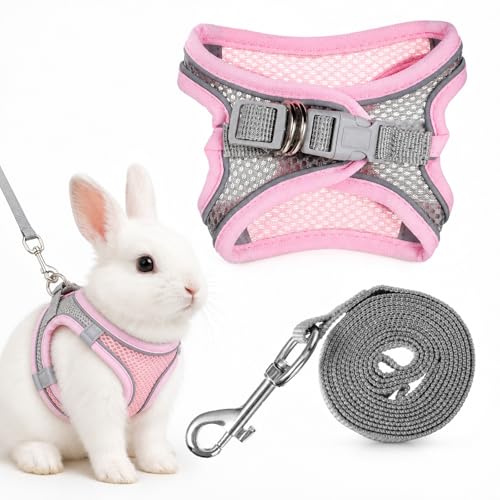
Tiny pets have delicate ribcages and flexible bodies that slip out of conventional collars with alarming ease. Getting the right tension across the chest avoids dangerous pressure points while keeping energetic jumpers secure outdoors. Careful analysis of sizing charts and soft mesh materials shows that selecting the best harness for bunny requires close attention to neck and girth measurements rather than body weight alone. Many small pet owners pair these walking vests with essential small pet supplies to build a calm, predictable backyard routine. Hook-and-loop closures combined with sturdy quick-release buckles provide reliable dual-layer security for sensitive animals.
Proper strap alignment prevents chafing under the front legs while maintaining steady leash control. Lightweight 3D air mesh fabrics distribute tension across the chest, which protects fragile airways during sudden hops or dashes. If you plan outdoor park excursions, matching a secure vest with reliable pet bike baskets ensures comfortable transport before clipping on the leash. Research into strap closures and dual D-rings confirms that adjustable step-in vests offer the best balance of ease and security for curious critters. Checking chest girth regularly keeps the fit snug as young animals grow.


Frequently Asked Questions About Best Harness For Bunny
How do you measure a pet to find the best harness for bunny?
Use a flexible cloth tape measure around the widest part of the ribcage and the lower neck rather than relying on weight estimates. Small pet vests frequently specify chest circumferences between 7.9 and 14 inches alongside neck measurements between 7.1 and 10.2 inches. Keep the tape snug against the fur without compressing the skin to ensure the harness holds securely without pinching. Rechecking these numbers monthly helps track size shifts as juvenile pets mature.
Can a collar be used instead of a harness for walking small pets?
No, small animals should never be walked on a collar attached to a leash. Petite animals possess delicate tracheal rings and fragile cervical spines that suffer serious injury under sudden leash tension. A padded vest distributes pulling force evenly across the sternum and ribcage instead of concentrating pressure on the throat. Owners familiar with smart tracking collar technology recognize that while collars hold identification, chest harnesses remain mandatory for outdoor leashed handling.
Are vest-style harnesses escape-proof for energetic animals?
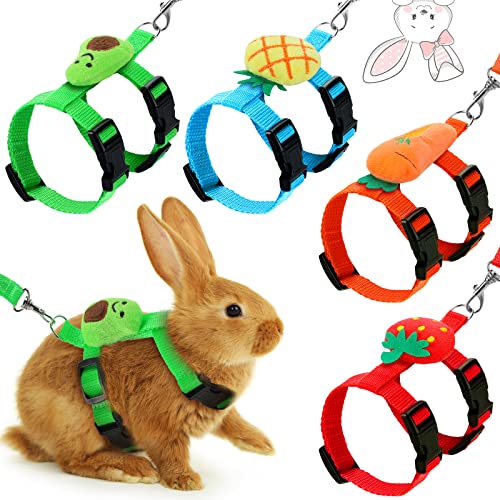
No harness is 100 percent escape-proof, but dual-closure vests provide significantly better security than basic strappy H-harnesses. Premium step-in designs combine widened hook-and-loop fasteners with quick-release plastic buckles and twin back D-rings. This dual-fastener setup prevents small animals from backing out when startled. Always supervise your pet closely in a secure area during outdoor outings to prevent sudden slips.
What is the best way to get a timid animal accustomed to wearing walking gear?
Introduce the gear gradually indoors across short sessions paired with preferred leafy treats. Lay the vest near your pet’s rest area so they become familiar with its scent before fastening any straps. Techniques similar to stress-free pet costume fitting work wonderfully here by keeping training periods under three minutes. Once your companion ignores the vest, attach the lightweight leash and allow self-directed exploration indoors before heading outside.
Which materials are safest for sensitive small animal skin?
Breathable 3D polyester air mesh and soft fleece-edged cotton fabrics offer the gentlest contact. Thickened mesh cushions the torso while facilitating constant airflow to prevent heat buildup on warm afternoons. Smooth edge piping stops friction and coat matting around sensitive armpits. Avoid stiff nylon straps with unpadded plastic edges that can cause bald spots during active movement.
How tight should the straps be on an adjustable small pet harness?
You should be able to slide one finger comfortably between the harness fabric and your pet’s body. If you can fit two or more fingers underneath, a flexible pet can wriggle backward out of the armholes. If you cannot slip a single fingertip under the edges, the vest is constricting normal breathing and needs immediate adjustment. Always verify strap tension while your pet stands in a natural four-legged posture.





Write Your Review
No reviews yet. Be the first to share your experience!