
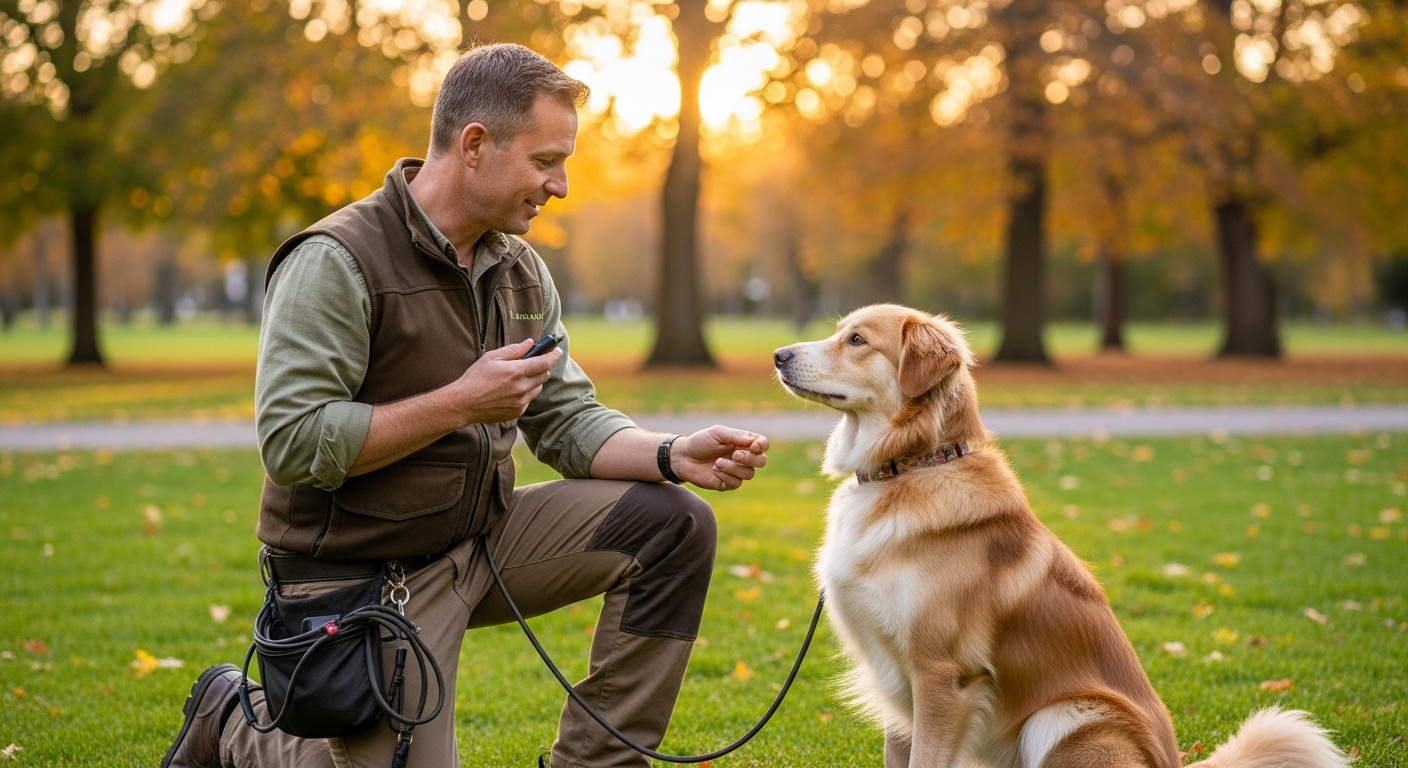

Watching a dog pant heavily after a strenuous run across the yard often leaves owners wondering about the best ways to restore hydration. Offering a freshly poured bowl is routine, but many pet parents find themselves asking, do dogs like cold water, especially during humid summer months. Canine hydration habits depend heavily on physical exertion, environmental heat, and individual taste preferences. While some dogs enthusiastically seek out chilled refreshment straight from the refrigerator, others hesitate when the temperature drops too low.
Hydration plays an indispensable role alongside balanced canine nutrition, supporting everything from cellular function to body temperature regulation. Dogs that spend substantial time outdoors wearing harnesses for pulling large dogs frequently build up core body heat that requires rapid cooling. Understanding how water temperature affects lapping frequency, digestive comfort, and overall fluid consumption helps owners make informed decisions at the feeding station. By evaluating both behavioral preferences and physiological cooling mechanisms, you can ensure your companion stays well hydrated throughout every season.

Pros
- Massive 2.6-gallon reservoir drastically cuts down on daily bowl refilling for busy pet parents
- Dishwasher-safe, rust-resistant stainless steel basin provides a cleaner drinking surface than standard plastic bowls
- Smart low-water indicator and auto-shutoff protect the internal motor from running dry and burning out
- Extra deep basin design catches chin drips and accommodates broad snouts easily
Cons
- Substantial floor footprint requires dedicated floor space in smaller apartment kitchens
- Requires access to a wall outlet, which limits placement away from electrical cords
- Filter cartridges and pump impeller require periodic routine cleaning and replacement to maintain flow
Keeping a large breed or a bustling multi-dog home properly hydrated often feels like a full-time job. Traditional water bowls run dry quickly, collect floating fur within minutes, and turn into sloshy messes on the kitchen floor. The oneisall 10L Stainless Steel Dog Water Fountain addresses these daily pet care headaches by pairing a generous 2.6-gallon holding tank with continuous, filtered water circulation. Designed specifically for big dogs, giant breeds, and busy households, this automated dispenser ensures your pets always have access to cool, moving water without demanding constant refills throughout the day.
Hydration comfort for large snouts is one of the standout aspects of this unit. Standard pet fountains are often built with cats or small terriers in mind, featuring shallow dishes that force big dogs to awkwardly press their faces against the plastic edge. Based on product specifications, this fountain features a 20 percent deeper basin designed to accommodate the natural scooping motion of large tongues. Breeds like Great Danes, German Shepherds, and Golden Retrievers can drink naturally without scraping their chins. Furthermore, the circulating stream operates at an ultra-quiet hum, making it approachable even for nervous dogs who typically shy away from electronic appliances.
Material safety and clean construction are vital for preventing bacterial buildup and common canine skin issues such as chin acne. The drinking tray is crafted from food-grade, rust-proof stainless steel, which holds up against hard well water and daily dishwasher sanitizing. Unlike porous plastic surfaces that can harbor odors and scratches over time, smooth stainless steel wipes clean quickly. Water passes through an integrated five-stage filtration system that helps remove odd tastes and odors, while an external washable sponge traps heavy pet hair, dirt, and kibble crumbs before they can reach the pump.
Daily maintenance and monitoring are straightforward thanks to a practical viewing window built right into the side. Dog owners can check remaining water levels with a quick glance across the room, eliminating the need to pry off the top lid. If the water level drops too low, the smart LED changes from calming blue to bright red, and the pump automatically powers down. This safety cutoff prevents dry running, protecting the internal motor from accidental burnout when you are away at work or running weekend errands.
While this fountain is exceptionally convenient, pet parents should keep a few practical factors in mind. Its 12.87-inch square footprint takes up notable real estate, meaning tight apartment kitchens may require careful planning to accommodate both the bowl and its power cord. Owners will also need to commit to periodic pump disassemblies to rinse away mineral scale and slobber buildup. For owners of large breeds, seniors who need easy drinking access, or homes with multiple thirsty pets, this durable stainless steel dispenser offers a clean, reliable, and low-maintenance hydration station.
Giant and large dog breeds drink significant volumes of water every day, and traditional bowls often leave their jowls soaking wet and floors slick with drips. The wide, deep basin on this fountain is intentionally dimensioned to provide ample room for broad muzzles and curled tongues. Big dogs can scoop water comfortably without bending into awkward neck angles or knocking the heavy base across the tile.
Holding 10 full liters, this dispenser easily satisfies the daily hydration requirements of big breeds like Labradors, Rottweilers, and Bernese Mountain Dogs. Instead of dealing with multiple refills morning, noon, and night, pet parents can rely on a consistent reservoir that remains steady and dependable throughout the workweek.
Maintaining clean drinking water should never feel like a chore. The stainless steel top tray lifts off easily and can go directly into the dishwasher for quick sanitation. Because stainless steel resists mineral buildup and pet slime better than plastic, it wipes down effortlessly during weekly basin refreshes.
The included pre-filter sponge is fully reusable and washable, which helps catch shedding dog hair and stray food bits before they reach the main cartridge. Rinsing the sponge during water top-offs extends the lifespan of your replaceable carbon filters and keeps the ultra-quiet pump humming along smoothly.
Canine Hydration Dynamics and Water Temperature Preferences
Observing whether do dogs like cold water requires looking closely at canine biology and behavioral patterns across different environments. Dogs lack the extensive network of sweat glands found in humans, relying predominantly on respiratory panting to dissipate excess metabolic heat. Because their internal cooling system operates through the evaporation of moisture across the tongue, mouth, and upper respiratory tract, drinking water serves both as vital fluid replenishment and as an immediate internal heat sink.
How Dogs Perceive Water Temperature and Flavor
Canine taste receptors differ substantially from human taste buds, with specific sensory cells located at the tip of the tongue tuned exclusively to water. These specialized water receptors respond continuously to moisture levels, becoming especially sensitive after eating salty or dry foods like standard commercial kibble. Temperature directly influences how these receptors fire, altering the perceived freshness and crispness of every lap. When water sits at room temperature for extended periods, subtle volatile compounds from ambient dust, saliva backwash, and bowl surfaces become more noticeable to a dog’s keen sense of smell.
A chilled water source suppresses volatile odor compounds while stimulating oral cold receptors, creating a refreshing sensation that many active dogs naturally crave. Some dogs show immediate enthusiasm for chilled water because the cooler liquid provides an instant drop in mouth temperature during warm weather. Conversely, timid or sensitive canines may initially back away from ice-cold liquid if the sudden temperature contrast startles their gums or sensitive teeth. Assessing individual preference requires observing whether your dog eagerly drains a cool bowl or waits until the liquid reaches ambient room temperature.
Thermoregulation and Why Cool Water Appeals After Exercise
Physical activity generates substantial internal heat that dogs must actively discharge to maintain a safe core body temperature. When a dog exercises outdoors, respiratory panting can increase dramatically, circulating large volumes of air over moist oral tissues to accelerate evaporative heat loss. Providing cool or slightly chilled water after intense exercise helps absorb thermal energy directly from the blood vessels lining the mouth, pharynx, and esophagus. This localized cooling effect assists the cardiovascular system, reducing the overall circulatory effort required to bring elevated body temperatures back to normal baselines.
Active dogs wearing heavy walking equipment or sturdy collars for large dog breeds often generate higher exertion levels on afternoon walks, making rapid post-exercise hydration critical. A refreshing stream of cool water encourages faster fluid intake, which quickly counters the respiratory moisture losses incurred while running. However, owners should avoid letting an overheated dog gulp down gallons of freezing water instantaneously, as measured pacing prevents abdominal discomfort. Offering moderate amounts of cool water every few minutes creates a safer and more effective physiological recovery period.
The Difference Between Chilled Water and Ice Cubes
Pet owners often conflate chilled liquid water with solid ice cubes, yet the two present entirely distinct physical characteristics. Chilled water flows smoothly down the esophagus, cooling oral tissues without creating mechanical risks or extreme localized thermal shock. Solid ice cubes, while entertaining for dogs that enjoy chasing floating objects, introduce real dental and digestive hazards if handled carelessly. Chewing on dense, frozen cubes can lead to fractured premolars, chipped enamel, or gum abrasions, especially in older canines or aggressive chewers.
Swallowing large chunks of unchewed ice creates a potential esophageal choking hazard, particularly for excited or flat-faced breeds that gulp items whole. Brachycephalic dogs wearing specialized gear, such as collars suited for bulldogs, already navigate narrower upper airways and should never be given large solid ice chunks. If an owner wishes to use ice during scorching summer afternoons, floating a single large cube in a wide stainless steel basin to cool the surrounding liquid is far safer than offering ice as an edible treat.
Evaluating Health Concerns Around Cold Water and Gastric Dilatation-Volvulus
Persistent internet rumors frequently warn that drinking cold water directly triggers gastric dilatation-volvulus, commonly known as canine bloat. Bloat is a life-threatening medical emergency where the stomach fills with gas and twists on its mesenteric axis, cutting off blood supply and requiring immediate emergency surgery. Veterinary consensus indicates that the temperature of the water itself is not the underlying causative agent of this condition. Instead, the primary danger arises from the rapid, frantic gulping of large fluid volumes and accompanying air intake that frequently occurs when an exhausted dog encounters a full bowl.
When an overheated dog consumes massive quantities of water too quickly, the sudden stomach distension and aerophagia create acute gastric distress regardless of temperature. Severe thermal contrast from freezing liquid can also cause mild esophageal spasms or stomach cramping in sensitive animals, prompting sudden vomiting. To keep hydration safe, owners should regulate the rate of consumption following vigorous outdoor play rather than withholding cool water altogether. Portioning water into moderate servings ensures the stomach remains stable while the dog steadily rehydrates.
Situations Where Room Temperature Water Is Preferable
While cold water offers obvious advantages in summer, room temperature water remains the preferred choice across several specific canine circumstances. Young puppies, geriatric dogs, and toy breeds struggle to regulate their core temperature effectively and can lose body heat rapidly if they ingest very cold liquids. Dogs diagnosed with chronic kidney disease, periodontal sensitivities, or gastrointestinal disorders often display a clear aversion to chilled bowls, preferring tepid or ambient water that feels gentler on the digestive tract.
During cold winter weather, outdoor working dogs or pets living in unheated spaces should never be offered ice-cold water, as it forces the body to expend valuable metabolic energy warming the fluid to core temperature. Feeding schedules also interact with water temperature, as offering freezing water directly alongside dry kibble can slow down gastric emptying in dogs prone to digestive sluggishness. Monitoring your pet’s behavioral cues will reveal whether ambient temperature liquid leads to smoother, more consistent daily drinking habits.
How Water Stagnation and Temperature Influence Daily Hydration Intake
Dogs possess an acute olfactory system capable of detecting minute chemical changes, bacterial growth, and biofilm formation in stationary bowls. When water sits stagnant at room temperature for several hours, airborne dust and saliva particles accumulate, creating an invisible bacterial slime layer known as biofilm. This accumulation alters the natural scent and taste of the water, prompting many discriminating dogs to refuse drinking despite experiencing genuine physiological thirst.
Cool water naturally inhibits bacterial multiplication and retards the development of unpleasant sulfurous odor compounds that form in warm, stagnant environments. By maintaining a lower water temperature and preventing stagnation, pet parents can dramatically enhance palatability and encourage reluctant drinkers to meet their daily fluid requirements. Ensuring clean, chilled water is consistently accessible is particularly critical for dogs consuming strictly dry kibble diets, which contain less than ten percent moisture and require substantial supplementary fluid intake.
Bowl Materials and Thermal Retention in Pet Hydration
The physical material of a drinking receptacle plays a pivotal role in maintaining low liquid temperatures and preventing contamination. Porous plastic bowls absorb oils, harbor bacteria in microscopic surface scratches, and quickly warm to match ambient room conditions, deteriorating water quality within hours. Ceramic dishes offer slightly better thermal mass but remain vulnerable to chipping, hairline cracking, and heavy mineral deposits from hard municipal or well water supplies.
Food-grade stainless steel stands out as the premier hygienic material for pet water stations due to its non-porous structure, dishwasher durability, and efficient thermal conductivity. High-quality stainless steel basins resist bacterial adhesion, prevent stubborn biofilm buildup, and scrub clean effortlessly without degrading over time. Stainless steel surfaces also keep water cooler for longer durations, preserving freshness even during warm afternoon heat without imparting metallic or chemical aftertastes.
Mechanical Aeration and Filtration Systems for Cleaner Water
Relying solely on manual bowl refilling often leaves pet owners struggling to maintain pristine water quality throughout busy workdays. Modern automatic pet hydration appliances solve this dilemma by integrating continuous water movement with multi-stage filtration mechanics. Running water attracts canine interest by mimicking natural bubbling streams, appealing to evolutionary instincts that associate flowing currents with clean, uncontaminated hydration sources.
Units featuring high-capacity reservoirs, such as the oneisall 10L/2.6Gal Dog Water Fountain for Large, combine continuous circulation with five-stage filtration to actively eliminate sediment, stray hairs, and unpalatable odors. Washable pre-filter sponges capture coarse debris before it reaches the pump, prolonging operational life while reducing ongoing maintenance costs. Coupled with ultra-quiet motor engineering and visual water level windows, automated circulating systems ensure pets have reliable access to fresh, aerated, and pleasantly chilled water around the clock.
Tray Depth and Anatomical Lapping Mechanics for Large Canines
Understanding how dogs physically drink explains why bowl geometry matters just as much as water temperature. Unlike humans who create suction with their lips, dogs curl the tip of their tongue backward into a miniature ladle, plunging it into the liquid to draw up a dynamic fluid column. As the column rises into the air, the dog snaps their jaws shut to capture the moisture, a mechanical motion that requires adequate basin clearance to prevent frustrated splashing and collar saturation.
Shallow pans force giant breeds like Great Danes and Mastiffs to scrape their tongues along the bottom, creating neck strain and leaving the animal chronically under-hydrated. A wide and deep drinking tray provides the vertical volume necessary for large tongues to complete their natural curled-back scooping motion cleanly. Generously proportioned stainless basins eliminate messy chin drips, reduce floor spills, and allow multiple large household pets to drink comfortably without competing for access.
Establishing Healthy Drinking Habits Alongside Daily Canine Nutrition
Integrating optimal hydration practices into your dog’s daily feeding schedule ensures robust metabolic function and kidney health throughout every life stage. Clean drinking water should always accompany dry kibble meals, as the digestion of concentrated proteins and carbohydrates draws fluid directly from systemic circulation. Monitoring daily water consumption allows attentive owners to spot early indicators of systemic illness, such as diabetes or renal insufficiency, which frequently manifest as sudden shifts in thirst.
Position your pet’s water station in a shaded, well-ventilated location away from direct sunlight, furnace vents, and chaotic household walkways. Establishing a predictable routine that includes daily bowl inspection, regular filter cleanings, and occasional water temperature checks helps maintain ideal drinking conditions. Whether your dog displays an enthusiastic love for chilled water or prefers mild room temperature sips, providing clean, flowing, and hygienically maintained water remains the ultimate foundation of compassionate pet care.


Write Your Review
No reviews yet. Be the first to share your experience!