


Sharing snacks with a four-legged companion during a road trip or weekend hike feels natural for many pet owners. When you unwrap a package of dried snack meat, a dog will often sit attentively and beg for a share of the savory treat. Pet parents frequently wonder whether can dogs eat beef jerky is a safe snack or a serious health hazard for their canine companion. While plain lean beef itself provides valuable dietary protein, commercial jerky prepared for humans usually contains heavy seasoning, sodium, and preservatives that pose digestive risks to dogs.
Managing daily canine nutrition means balancing enjoyable rewards with long-term metabolic wellness. Active dogs that accompany owners outdoors while wearing a sturdy harness for strong pullers often burn substantial energy, which tempts owners to offer high-protein human food as a quick boost. However, evaluating ingredients like onion powder, garlic, and elevated salt levels is vital before tossing any processed beef toward a pet. Knowing the difference between human snack meat and dedicated canine chews helps keep dogs energetic, comfortable, and free from digestive distress.
Pros
- Individually wrapped 0.92 oz single-serving sticks offer exceptional grab-and-go convenience for outdoor trips and dog walks
- Provides 6g of protein per serving sourced from lean cuts of 100 percent real beef
- Shelf-stable design requires no refrigeration before opening, making it easy to store in gear bags, car consoles, or pantries
- Bulk 20-pack packaging provides dependable portioning for active handlers during long days outdoors
Cons
- Formulated exclusively for humans and lacks canine nutritional adequacy, AAFCO balance, or pet-safe feeding guidelines
- Contains a signature blend of spices and seasonings that are not safe or appropriate for canine digestive systems
- Cannot be used as a substitute for canine treats, meal mixers, toppers, or balanced dog food
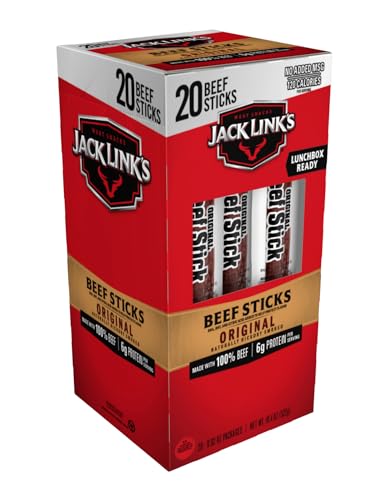
Jack Link's Original Beef Jerky Sticks are a shelf-stable meat snack packaged in a 20-count bulk box of single-serving 0.92-ounce sticks. In the context of canine households, dog sports, and outdoor adventures, dog owners and handlers often look for durable, high-protein snacks to carry in training packs, daypacks, or vehicles. However, based on the product data, this item is classified as grocery meat and seafood created strictly for human consumption rather than as canine pet food, a dog treat, or a meal topper.
From a nutritional standpoint, the manufacturer highlights that each 0.92-ounce beef stick delivers 6 grams of protein and is crafted from lean cuts of 100 percent real beef. The recipe is seasoned with a signature blend of spices and slow-cooked over hardwood smoke to achieve its classic flavor profile. Because this product belongs to the human grocery category, it does not carry an AAFCO nutritional adequacy statement, a canine guaranteed analysis, pet life-stage designations, or breed-size feeding recommendations. The inclusion of proprietary spices also means it cannot be evaluated against canine dietary guidelines.
In terms of packaging and physical format, the product comes in a multi-color retail box measuring 8.5 by 4.75 by 4.75 inches with a total weight of 1.25 pounds. Each of the 20 beef sticks is individually wrapped in a durable, airtight plastic sleeve designed for portable handling. The ready-to-eat format requires no pre-opening refrigeration, making it easy to store in a pantry, slide into a pocket, or keep alongside outdoor gear without worrying about rapid spoilage or messy crumbling.
When planning outings, dog handlers often manage complex feeding routines, carrying dedicated canine kibble or dog treats in pouches while needing compact nutrition for themselves during long tracking, hiking, or exercise sessions. These beef sticks offer simple portioning and zero prep time for the human handler. However, owners must maintain strict separation between human snacks and their dog's rations. Because the manufacturer provides directions solely for human snacking at home, work, or on outdoor trips, there are no approved portions, transition steps, or pet-feeding directions provided.
A critical consideration for dog owners is safety and dietary suitability for pets. Many human jerky products and seasoned meat sticks contain ingredients such as onion, garlic, and elevated sodium levels within their spice blends, which can cause gastrointestinal distress or toxicity in dogs. The product listing does not state that it is safe, tested, or intended for canine consumption. Dog owners should avoid sharing these sticks as training rewards, as they lack the balanced formulation and safety clearance necessary for canine health.
Jack Link's Original Beef Jerky Sticks represent a practical, shelf-stable protein source for dog owners, outdoor adventurers, and trainers who need reliable personal fuel during active excursions with their dogs. At 6 grams of protein per individually wrapped stick, it fits neatly into backpacks and field vests. For dog owners seeking snacks for themselves while keeping their dogs strictly on veterinary-approved or AAFCO-compliant canine treats, this 20-pack offers solid convenience and everyday value.
This product does not feature an Association of American Feed Control Officials (AAFCO) nutritional adequacy statement. Because Jack Link's Original Beef Jerky Sticks are manufactured and marketed strictly as human grocery food, they are not formulated to meet the nutritional levels established by the AAFCO Dog Food Nutrient Profiles for any canine life stage, including puppy growth, adult maintenance, or senior care.
Canine caregivers should ensure that their dog's primary diet consists of a complete and balanced pet food carrying an appropriate AAFCO statement. This product should never be used as a dietary replacement, topper, or treat for dogs.
The primary protein source in this product is 100 percent real beef, delivering 6 grams of protein per individual 0.92-ounce stick. The manufacturer notes that it is crafted from lean cuts of beef and slow-cooked over hardwood smoke for flavor.
While lean beef is a familiar animal protein in canine diets, the proprietary spices, smoke flavoring, and processing in this human snack are formulated strictly for human consumption. It does not provide a guaranteed analysis for pets and should not be treated as a canine protein supplement.
The bulk pack contains 20 individually sealed 0.92-ounce beef sticks with total package dimensions of 8.5 by 4.75 by 4.75 inches and an overall weight of 1.25 pounds. Each stick is individually vacuum-sealed in a multi-color wrapper designed for shelf-stable protection.
According to manufacturer specifications, these ready-to-eat sticks require no refrigeration prior to opening. They can be stored at room temperature in pantries, glove compartments, or hiking packs, making them convenient for owners to transport during outdoor travel and canine training events.
Understanding Canine Digestion and Human Beef Jerky
Commercial beef jerky formulated for people is generally unsuitable for canine consumption despite being composed primarily of animal meat. Dogs require complete, digestible proteins to maintain muscle health, but human snack foods undergo curing and seasoning processes that introduce concentrated sodium, garlic, onion, and chemical preservatives. Canine digestive physiology handles electrolytes, fats, and aromatic spices very differently than the human gastrointestinal system. Responsible pet parents can protect canine wellness by distinguishing between plain cooked animal proteins and heavily seasoned convenience snacks.
The Direct Answer on Beef Jerky Safety
The clear answer to whether dogs can safely eat standard human beef jerky is no. While a tiny crumb of unseasoned, plain dehydrated muscle meat will rarely cause permanent harm, virtually all commercial brands add spices, curing salts, and flavor enhancers. These additives transform a lean piece of beef into a gastrointestinal hazard for dogs of all ages. The canine metabolic system does not tolerate dense sodium or toxic seasonings, making even small portions risky over time.
Many pet owners experience momentary panic when an unattended strip of dried meat falls to the floor and disappears into a dog’s mouth. An accidental single bite of original flavor jerky will usually produce nothing worse than temporary mild thirst or minor stomach discomfort. Serious clinical issues typically arise when a dog steals an entire package or ingests jerky containing dangerous botanicals like garlic. Checking the product label immediately gives owners the factual details needed to gauge potential health risks.
Dangerous Ingredients and Toxic Seasonings in Human Jerky
Garlic and onion powder appear in nearly every commercial cured meat recipe because they provide savory depth for human taste buds. These ingredients belong to the allium family, which contains sulfur compounds known as thiosulfates and disulfides. Canines lack the enzymes necessary to break down these compounds, which cause oxidative damage to red blood cells. Over time or in concentrated amounts, allium ingestion can lead to hemolytic anemia, impairing oxygen delivery throughout the dog’s body.
Hot spices such as black pepper, red pepper flakes, and chili powder create another layer of digestive irritation for canines. Compounds like capsaicin irritate the mucosal lining of a dog’s mouth, esophagus, stomach, and intestinal tract. Dogs that consume spicy dried meat often display sudden symptoms including heavy panting, excessive water intake, vomiting, and painful abdominal cramping. Avoiding human snack meats completely prevents your pet from experiencing this severe gastric discomfort.
Some sweet or specialty beef jerky varieties contain sweeteners or artificial additives that introduce extra hazards. Certain sugar-free jerkies may use sugar alcohols such as xylitol, an ingredient that triggers rapid, life-threatening hypoglycemia and acute liver failure in dogs. Even standard recipes frequently rely on soy sauce, Worcestershire sauce, and chemical curing agents that further elevate sodium and additive levels. Inspecting the ingredient list highlights why convenience snacks manufactured for human grocery shelves do not belong in canine treat bowls.
High Sodium Concentration and Canine Osmotic Balance
Salt plays an indispensable role in human jerky manufacturing by drawing out moisture and inhibiting bacterial proliferation during storage. Because the dehydration process removes water weight, the sodium remaining in the dried meat becomes exceptionally concentrated. A single serving of commercial meat stick often delivers hundreds of milligrams of sodium in a very small physical portion. For a dog that requires only modest daily salt amounts, a single human stick represents an unhealthy sodium surge.
When an excessive amount of sodium enters a dog’s bloodstream, it shifts fluid out of cells to balance systemic osmolarity. This rapid fluid transfer can cause cellular dehydration and place acute strain on canine kidneys. Common initial signs of sodium overload include persistent water drinking, increased urination frequency, dry oral membranes, and physical lethargy. In severe scenarios where a small dog consumes multiple sticks, sodium ion poisoning can develop and lead to muscle tremors or seizures.
Canine kidneys work diligently to filter out excess minerals, but sustained salt spikes can cause prolonged metabolic stress. Dogs with underlying kidney disease, heart failure, or hypertension are particularly vulnerable to sudden dietary sodium fluctuations. Providing consistent access to clean drinking water helps healthy adult dogs flush moderate salt levels through normal excretion. Avoiding high-sodium cured snacks remains the safest approach to preserving your pet’s vital renal and cardiovascular health.
Fat Content, Hardwood Smoking, and Pancreatic Stress
Commercial meat sticks frequently incorporate rendered beef fats to maintain flexibility, tenderness, and appetizing moisture levels. While healthy dietary fats provide working dogs with sustained energy, rapid infusions of rich, seasoned fat overwhelm canine digestion. The pancreas must work harder to synthesize digestive enzymes capable of breaking down dense lipid loads. When the organ becomes overworked and inflamed, a painful medical condition called pancreatitis can quickly develop.
Pancreatitis in dogs is characterized by acute abdominal pain, severe vomiting, watery diarrhea, appetite loss, and significant depression. Dogs experiencing a flare-up often take on a prayer position, placing their front paws on the floor while keeping their rear quarters elevated to relieve stomach pressure. Veterinary intervention, intravenous fluid therapy, and pain management are often required to resolve pancreatic inflammation. Eliminating fatty table scraps and processed cured sticks effectively mitigates this avoidable health risk.
Smoking techniques also contribute to the unique flavor profile of human beef snacks, using either slow hardwood smoke or liquid smoke flavoring. These smoking methods deposit aromatic compounds and acids that can irritate sensitive canine digestive systems. Dogs that eat smoked meats regularly show an increased rate of flatulence, digestive rumbling, and inconsistent stool consistency. Feeding clean, unsmoked proteins guarantees that your dog gains nutritional value without unnecessary digestive irritation.
Canine Size, Breed Variations, and Choking Risks
A dog’s physical stature fundamentally determines how much toxic risk a given portion of human jerky represents. A toy poodle or miniature dachshund weighing under ten pounds can suffer acute digestive illness from half a seasoned beef stick. In contrast, a canine sporting a sturdy collar for large dog breeds has greater blood volume and kidney capacity to process minor accidental sodium exposure. Nevertheless, large dogs remain equally susceptible to long-term dietary damage from repeated exposure to processed snacks.
Physical texture presents an additional hazard that affects dogs of all breed sizes when consuming cured meats. Dried jerky is naturally tough, fibrous, and difficult to chew, leading many excited dogs to swallow large pieces whole. An unchewed strip of jerky can become lodged in a dog’s pharynx or esophagus, creating an urgent choking emergency. Pet owners must remain vigilant when dogs are near food prep areas to prevent rapid gulping of dense meat scraps.
Once swallowed, dried jerky strips absorb moisture from gastric juices and can swell inside the canine stomach. For smaller canines or puppies with narrow intestinal tracts, a solid mass of dehydrated meat can cause a mechanical gastrointestinal obstruction. Partial or complete intestinal blockages prevent normal food passage and can require emergency surgical intervention. Offering properly sized, digestible canine treats ensures safe chewing habits and smooth transit through the digestive tract.
Practical Steps if Your Dog Consumes Spiced Beef Jerky
Discovering that your dog raided a pantry shelf or backpack for human jerky requires a calm and systematic response. Your immediate priority should be securing the remaining packaging to identify the specific brand, package size, and ingredient list. Check whether the jerky was a mild original recipe or a spicy variant loaded with jalapeño, habanero, or concentrated onion powder. Calculating the approximate number of ounces consumed gives you vital data to share with veterinary personnel.
Provide your dog with immediate access to fresh, cool water so they can naturally dilute and excrete elevated sodium. However, you should never attempt to induce vomiting at home with household agents like hydrogen peroxide unless directed by a licensed veterinarian. Inducing vomiting incorrectly can cause chemical burns to the esophagus or lead to severe pulmonary aspiration. Contact your regular veterinary clinic or an established pet poison helpline to review the specific circumstances and receive professional guidance.
Monitor your dog carefully over the next twelve to twenty-four hours for emerging clinical signs of gastrointestinal distress or toxicity. Watch for frequent vomiting, dark or loose stools, excessive panting, uncoordinated movement, or sudden lethargy. If your pet displays any of these warning signs, prompt veterinary examination is crucial to ensure early medical support. Keeping veterinary contact numbers accessible helps pet owners respond effectively during unexpected dietary emergencies.
Analyzing Commercial Snacks: The Jack Link’s Original Example
Examining a widely recognized human snack product helps illustrate why grocery store cured meats do not fit canine dietary needs. Jack Link’s Original Beef Jerky Sticks are marketed as a good source of protein, delivering 6g of protein per 0.92 oz serving stick. Crafted from lean cuts of 100% real beef, this product comes in bulk twenty-packs designed for convenient snacking at home, work, or outdoor travel. While lean beef is fundamentally wholesome, the preparation methods align strictly with human culinary standards rather than canine nutrition.
The product description highlights that these beef sticks are seasoned with a signature blend of spices and slow-cooked over hardwood smoke. This proprietary seasoning profile delivers the classic flavor profile that human consumers enjoy, but it introduces spices that can irritate a canine stomach. Furthermore, the ready-to-eat sticks require no refrigeration, an on-the-go benefit achieved through salt curing and moisture reduction. For dogs, this concentrated sodium and smoke exposure counteracts the nutritional benefit of the underlying lean beef protein.
Pet owners packing these convenient meat sticks for lunches or hiking trips must remember to keep snack packs securely sealed. Dogs are naturally attracted to the smoky aroma of real beef, making an unzipped backpack an easy target for a curious pup. Enjoying convenient human snacks while providing dogs with their own dedicated, unseasoned treats keeps both pet and owner happy. Maintaining clear boundaries between human lunch items and pet foods prevents accidental digestive upset during daily routines.
Healthy, Single-Ingredient Jerky Alternatives for Dogs
Dog owners who want to offer their companions the satisfying chew of dried meat can easily find dedicated canine alternatives. Commercial pet food manufacturers produce single-ingredient beef, chicken, turkey, and salmon jerky crafted without added salt, onion, or artificial smoke. These specialized dog treats undergo gentle dehydration processes that preserve beneficial amino acids while eliminating microbial contamination. Because they omit harmful seasonings, canine-specific meat chews deliver savory enjoyment without threatening delicate digestive balance.
Preparing homemade dried meat chews represents another rewarding, cost-effective option for conscientious pet owners. Slicing lean beef round or sirloin into thin strips and drying them in a standard kitchen dehydrator creates a pure, natural snack. You can achieve similar results by baking thin meat strips on a parchment-lined baking sheet at low heat for several hours. This homemade method allows you to verify that absolutely no salt, oil, or seasonings come into contact with your dog’s meat.
When purchasing commercial dog jerky from pet specialty retailers, carefully examine the guaranteed analysis and ingredient statement. Look for packages that list a single named animal protein as the sole ingredient and avoid products containing added sugars or artificial colors. Ensure that the treats are sourced and manufactured under reputable pet food safety standards to prevent quality issues. Selecting verified single-ingredient chews provides your companion with wholesome rewards you can offer with complete confidence.
Nutritional Balance and Proper Canine Treat Guidelines
Treats and supplemental snacks play an enjoyable role in canine companionship, but they must fit into a balanced overall diet. Veterinary nutrition guidelines emphasize that supplementary foods should never exceed ten percent of a dog’s total daily caloric intake. The remaining ninety percent of daily nutrition must derive from a complete and balanced life-stage diet formulated to meet established nutritional standards. Overfeeding rich meat snacks, even unseasoned ones, can displace essential vitamins and minerals found in complete dog food.
Using healthy, unseasoned dried meat as a high-value training reward helps reinforce positive behaviors without risking digestive health. Breaking jerky treats into small, pea-sized morsels prevents excessive caloric consumption during intensive training or agility sessions. Dogs find the aroma of pure dehydrated meat intensely motivating, making tiny pieces just as effective as larger chunks. Managing portion sizes ensures that training remains engaging, rewarding, and supportive of a lean body condition.
Introducing dietary variety through safe, dog-friendly vegetables and fruits can complement protein treats and support overall gut health. Crunchy carrot slices, steamed green beans, and small apple pieces offer satisfying textures with very few calories and zero sodium. Rotating between healthy whole-food snacks and single-ingredient meat chews provides mental enrichment for your dog. Thoughtful treat management fosters a strong bond with your pet while safeguarding their long-term health and vitality.
Protecting your canine companion from toxic ingredients and sodium overload starts with keeping human snack foods out of reach. While human beef jerky provides convenient protein for people on the move, its concentrated spices, curing salts, and preservatives make it unfit for dogs. Offering single-ingredient dehydrated meats designed specifically for canine physiology satisfies natural carnivore instincts safely. Prioritizing canine-appropriate rewards preserves digestive comfort, supports long-term metabolic health, and keeps your companion thriving every day.


Write Your Review
No reviews yet. Be the first to share your experience!