


A puppy’s new food is usually best introduced gradually over about a week, unless the food label or a veterinarian’s advice calls for a different plan. For how to introduce new dog food to puppy, the practical goal is to let the puppy adjust while keeping meals consistent and watching for changes in appetite, stool, or comfort. A new recipe may be necessary because of a life-stage change, availability, or a household decision, but the transition itself deserves attention. Changing the food suddenly can be hard on some puppies’ digestion, so a measured switch gives you a clearer way to observe how the change is going.
Start by checking that the replacement food is labeled for puppies and is appropriate for your dog’s expected size and life stage. The supplied product details, for example, include dry puppy recipes and a toy-breed formula, but those descriptions alone do not establish which food is suitable for an individual puppy. Read the feeding directions and nutritional adequacy statement on the package, and ask for professional guidance if your puppy has a medical condition or a history of food reactions. If stool changes are part of your concern, this guide to dog food and stool volume offers related context.

Pros
- Real deboned chicken serves as the primary protein source for healthy muscular development
- Added DHA helps support brain function and focus during early obedience training
- Free from common fillers like corn, wheat, soy, and artificial preservatives
- Manageable 4 lb bag size preserves peak kibble freshness for young puppies
Cons
- Small 4 lb bag depletes quickly for fast-growing medium or large breed puppies
- Some selective puppies may occasionally pick around the darker LifeSource Bits
- Not formulated for pet parents seeking a grain-free dietary option
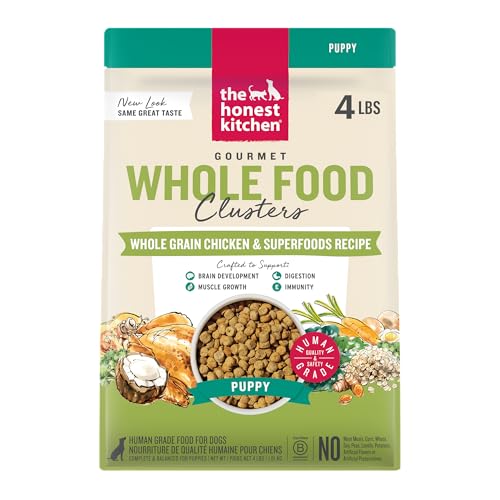
Blue Buffalo Baby Blue Healthy Growth Chicken & Rice recipe is a tailored dry puppy kibble crafted to satisfy the nutritional requirements of growing canines. Best suited for new puppy parents, small-to-medium breed puppy caregivers, and apartment dwellers raising a young companion, this formula supplies early nourishment during critical growth milestones. The 4-pound bag is especially convenient for introducing a newly adopted puppy to solid dry food without committing to a massive storage bin right away.
Supporting a puppy through crate training, leash manners, and potty routines demands balanced energy and sharp focus. According to product specifications, this recipe includes DHA and ARA, vital fatty acids naturally found in mother's milk that aid cognitive development and retinal health. High-quality protein from real deboned chicken promotes lean muscle formation, helping young pups build stamina for outdoor adventures and playful socialization sessions.
Blue Buffalo emphasizes wholesome ingredient sourcing by formulating this diet without poultry by-product meals, corn, wheat, or soy. Instead, it pairs real chicken with wholesome brown rice and garden vegetables to support digestive regularity, which helps make housebreaking and stool cleanup more predictable. The kibble also features LifeSource Bits, a proprietary cold-formed blend of vitamins, minerals, and antioxidants selected by animal nutritionists to support a developing immune system.
For daily feeding, the small kibble size is easy for miniature and medium puppy jaws to grasp and chew safely without posing a choking hazard. While the 4-pound package preserves food freshness and fits neatly into tight apartment pantries, owners of large or giant breed puppies may find that a bag of this size empties in just a few days. Additionally, some pet owners observe that particular puppies may occasionally sort through their bowls and leave the darker LifeSource Bits behind.
This recipe serves as a dependable starting foundation for families welcoming an eight-week-old puppy home. Whether you are stocking up on puppy supplies ahead of adoption day or looking for a gentle, nutrient-dense dry food to support early training, Blue Buffalo Baby Blue offers a balanced combination of safety, digestible energy, and vital developmental nutrients.
This dry puppy food is specially formulated with bite-sized kibble designed for little mouths, allowing young puppies to chew comfortably and digest their meals easily during the transition from nursing to solid food.
Enriched with DHA, ARA, and high-grade protein, the recipe supports the high caloric demands of energetic playtime while fostering sharp learning ability during early obedience and potty training phases.
Pros
- Clear, approachable breakdown of canine macronutrient and micronutrient requirements without confusing technical jargon.
- Provides practical recipes suitable for sensitive stomachs, allergy-prone dogs, and distinct life stages from puppyhood to senior years.
- Instant digital download format provides convenient kitchen reference on phones or tablets during meal prep.
- Gives sensible guidance on food safety, sourcing whole food ingredients, and batch freezer prep.
Cons
- Digital eBook format may feel less convenient for pet parents who prefer physical recipe books with lay-flat bindings on the kitchen counter.
- Home meal preparation requires extra freezer storage space, meal prep time, and careful ingredient weighing on a kitchen scale.
- Transitioning a dog to fresh food requires a gradual multi-week adjustment period to prevent loose stools.
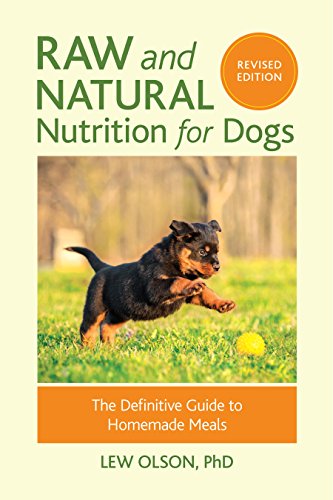
Raw and Natural Nutrition for Dogs, Revised Edition is a comprehensive canine diet reference delivered in a portable Kindle eBook format. Written to demystify home dog food preparation, this guide serves as a practical roadmap for American dog owners who want to move past commercial dry kibble and take direct control over their pet's bowl. It is tailored for caring pet parents navigating stubborn food sensitivities, itchy skin, or chronic digestive issues, as well as new puppy owners aiming to build strong foundations and senior dog caregivers looking to stimulate declining appetites.
The book focuses on real-world health and digestive improvements. Commercial dog foods frequently rely on heavy starch binders, high-heat extrusion, and synthetic additives that can trigger skin allergies, ear infections, and gastrointestinal distress in sensitive pets. By breaking down the nutritional roles of raw muscle meat, organ meats, essential fatty acids, and dog-safe vegetables, this guide demonstrates how whole foods naturally promote firm stools, reduced shedding, cleaner teeth, and consistent daily energy levels. It also helps owners understand natural moisture content in fresh foods, which aids urinary tract health and keeps dogs hydrated far better than dry pellets.
Safety and balance are central themes throughout the text. Many dog owners hesitate to prepare homemade meals due to worries about nutritional deficiencies, improper calcium-to-phosphorus ratios, or bacterial contamination. The author addresses these concerns directly by detailing safe raw meat handling, proper freezer storage, safe bone selection, and the strategic use of natural food supplements. Readers learn how to avoid hazardous weight-bearing bones, select appropriate soft edible bones or calcium substitutes, and maintain strict kitchen hygiene using stainless steel prep bowls and sanitizing routines.
From a daily convenience standpoint, having the guide on a Kindle device, smartphone, or tablet makes kitchen prep straightforward. You can easily prop up your device while weighing out protein portions on a digital scale or assembling batch meals for the week. For apartment dwellers with compact refrigerators or multi-dog households managing diverse caloric needs, the text provides scalable batch-cooking and freezer-packing strategies that keep meal prep manageable without taking over your entire weekend.
Realistic limitations relate primarily to the dedication required for homemade canine feeding rather than the content itself. Feeding a homemade diet demands time for grocery sourcing, ingredient weighing, and storage management, which may feel demanding for busy families. Additionally, because this is an electronic text, owners who love writing notes in book margins or sticking physical tabs on favorite recipe pages will need to rely on digital highlights and bookmarks. Dogs with specialized medical conditions, such as advanced kidney or liver disease, will still require personalized veterinary diet formulation.
For dog parents seeking a trusted, easy-to-follow guide to fresh feeding, this revised edition offers outstanding long-term value. Whether your goal is to fully transition your dog to a biologically appropriate raw diet, cook gentle whole-food casseroles, or simply add nutrient-dense fresh toppers to their existing bowl, this digital handbook provides the confidence and clarity needed to feed your companion safely.
Switching from heavily processed dry kibble to biologically appropriate raw or fresh homemade meals delivers visible physical benefits across all life stages. Fresh animal proteins and bioavailable amino acids provide the building blocks for lean muscle mass, joint support, and healthy organ function. Many pet parents notice noticeable improvements in coat softness and reduced dander within weeks of introducing species-appropriate dietary fats like omega-3 fatty acids.
Digestive health is another major area where fresh feeding excels. Commercial diets packed with high-glycemic grains, corn, and soy often cause chronic soft stools, excessive gas, and yeast overgrowth. The wholesome, easily digestible recipes in this book result in smaller, firmer, and less foul-smelling stools, making backyard cleanup and apartment potty walks far more pleasant. Natural chewing on safe raw meaty bones also helps scrape away plaque and massage gums, supporting better breath and long-term dental hygiene.
Safety is the top priority when preparing homemade pet food. This guide emphasizes strict hygiene standards, instructing dog owners on how to safely source, thaw, and portion raw poultry, beef, and fish to avoid cross-contamination in family kitchens. It explains why food-grade stainless steel or ceramic prep dishes and dedicated cutting boards should always be washed thoroughly with hot soapy water after every meal prep session.
The book also dispels dangerous misconceptions regarding raw bones. It clearly distinguishes between soft, digestible raw meaty bones, such as chicken necks and wings, and hard recreational marrow bones that can crack canine teeth. Furthermore, it outlines precise calcium supplementation options for owners who prefer not to feed whole bones, ensuring that growing puppies and adult dogs always receive the balanced mineral profile needed for strong skeletal health.

Pros
- Tiny kibble size prevents choking hazards and makes chewing effortless for toy pups
- Real chicken first ingredient supplies high-quality, easily digestible protein
- Live probiotics help maintain healthy stool consistency and gut health
- DHA supports early brain development for easier puppy obedience training
Cons
- Small 5-pound bag may run out quickly in multi-puppy households
- Contains poultry and grains, which may not suit puppies with specific food intolerances
- Toy-specific kibble is too small for medium or large breed puppies
Purina Pro Plan Toy Breed Dry Puppy Food is a nutrient-dense kibble formulated specifically to fuel the rapid growth and high metabolic rates of miniature canines. Featuring real chicken as the primary ingredient paired with wholesome rice, this formula supplies high-quality protein to support lean muscle development without overloading tiny digestive systems. The miniature kibble dimensions are tailored to the jaw mechanics of toy puppies, allowing them to grasp and crunch their meals comfortably without struggle.
This recipe is best suited for new puppy parents caring for breeds such as Yorkies, Chihuahuas, Toy Poodles, and Pomeranians, as well as apartment dwellers seeking a reliable daily diet for their compact companions. Because toy puppies burn energy rapidly yet have diminutive stomach capacities, they require concentrated nourishment that satisfies their caloric needs in modest portion sizes. It also serves as an excellent starting kibble for pet parents transitioning puppies from nursing or wet weaning mixtures to crunchy food.
In everyday feeding scenarios, the formula delivers notable functional health benefits. It is fortified with guaranteed live probiotics that support gut microflora, which helps promote firm, predictable stools and simplifies indoor potty training routines. Omega-rich fish oil provides a steady source of DHA, a vital nutrient that nourishes developing retinas and cognitive pathways. This neurological support can make a noticeable difference during early crate training, recall exercises, and basic puppy manners.
The kibble construction prioritizes both dental practicality and safety. Small breed puppies can easily choke or become intimidated by standard puppy kibble, but these petite pieces encourage proper chewing habits while helping to gently scrape away plaque on emerging teeth. Additionally, the bag includes balanced calcium, phosphorus, and essential minerals to encourage proper skeletal growth, avoiding the uneven spurts that can stress delicate toy breed frames.
While this diet offers targeted benefits for pint-sized pups, it has a few practical limitations. The 5-pound bag size is ideal for maintaining food freshness for a single toy puppy, but homes raising multiple puppies may find themselves reordering frequently. Moreover, because the formula relies on chicken and corn gluten meal, puppies with suspected poultry sensitivities or specific grain restrictions will require an alternative protein base. The tiny kibble is also ill-suited for larger breed puppies who might swallow the pieces whole without chewing.
For owners seeking a reliable, scientifically balanced starting diet for small companions, this formula hits the mark. It provides the calorie density, digestive support, and manageable kibble geometry necessary to keep delicate puppies active, playful, and growing steadily through their first critical year.
Standard puppy food often presents a physical barrier for dogs weighing under ten pounds at maturity. The ultra-small kibble size in this recipe is specifically engineered for tiny mouths, narrow jaws, and baby teeth, preventing mealtime frustration and reducing the risk of gagging.
Because toy dogs have higher metabolic rates per pound than larger breeds, this kibble packs concentrated energy into small volume portions. Puppies can achieve complete nutritional satiety without suffering from uncomfortably distended bellies after mealtime.
Toy breed puppies undergo an intense developmental window where cellular growth, immune system defenses, and brain function demand precise nutritional inputs. The inclusion of DHA from fish oil supplies the exact fatty acids needed to sharpen puppy focus during training sessions and promote clear vision.
Digestive upset is common in young dogs, but the guaranteed live probiotics in this formula actively support a resilient gastrointestinal tract. Pet owners often observe consistent digestion and manageable cleanups, which makes housebreaking far less stressful during those crucial early months.
Pros
- High-quality protein from real deboned chicken supports steady muscular growth for young dogs.
- Enriched with DHA and ARA for healthy cognitive function and visual development.
- Wholesome grains provide easily digestible carbohydrates that are gentle on sensitive puppy stomachs.
- Free from artificial preservatives, corn, wheat, soy, and cheap poultry by-product fillers.
Cons
- Contains whole grains, which may not suit puppies with diagnosed grain allergies or sensitivities.
- Some selective puppies may eat around the small, dark LifeSource Bits in the bowl.
- The 5-pound bag size depletes quickly for fast-growing medium and large breed litters.
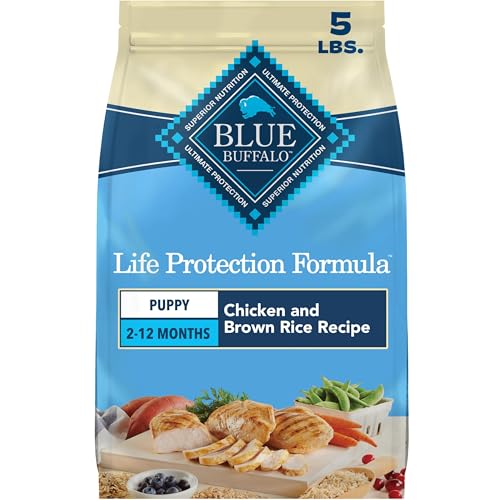
Blue Buffalo Life Protection Formula Chicken and Brown Rice Recipe is a balanced dry puppy kibble formulated to meet the specific nutritional demands of growing dogs between 2 and 12 months of age. Designed with high-quality animal protein and digestible whole grains, this recipe targets new puppy parents, multi-puppy households, and apartment dwellers who want reliable everyday nutrition for a newly adopted family member. Whether managing early crate training routines or fueling energetic play sessions in the yard, young canines require targeted fuel to build lean tissue and maintain stamina without upsetting their delicate GI tracts.
Growth stages require specialized developmental support, and the inclusion of DHA and ARA fatty acids provides direct benefits for early brain and retinal health. The formulation also delivers precise ratios of calcium and phosphorus to support the skeletal framework and developing teeth as deciduous teeth give way to adult dentition. In addition to structural benefits, the blend incorporates natural prebiotic fiber from sources like chicory root and whole grains, which helps encourage healthy gut flora and reliable stool consistency, making housebreaking and indoor cleanups much easier for busy pet owners.
The cornerstone of this recipe is real deboned chicken, avoiding generic animal by-product meals that can vary widely in quality and digestibility. Accompanying the primary kibble are Blue Buffalo's trademark LifeSource Bits, which are processed at lower temperatures to preserve the potency of sensitive vitamins, antioxidants, and trace minerals. By omitting corn, wheat, soy, artificial flavorings, and chemical preservatives, the formula provides a clean ingredient profile that reduces exposure to common dietary irritants often associated with itchy skin or digestive upset in puppies.
Daily feeding with dry kibble is straightforward, fitting easily into standard measuring cups, slow feeder bowls, or interactive puppy puzzle toys for mental enrichment. Introducing this food requires a standard seven to ten-day gradual transition period to allow immature puppy digestive systems to adapt smoothly without loose stools. Pet parents should note that while the kibble size is crafted for puppy mouths, particularly picky eaters may occasionally eat around the darker LifeSource Bits, and high-energy large breed pups will likely burn through a 5-pound bag quickly.
For puppy owners seeking a wholesome, grain-inclusive daily diet backed by clear ingredient standards, this recipe offers solid foundational nutrition. It is especially well suited for small to medium puppies entering obedience training, apartment puppies needing dependable digestion during potty training, and budget-conscious owners who want premium quality without boutique prices. Pairing this formula with fresh water and consistent portioning provides active young dogs with the nutritional balance needed for a healthy transition into adulthood.
This recipe provides targeted developmental support through DHA and ARA fatty acids, essential nutrients originally supplied in maternal milk that play a vital role in neural development and visual acuity. Providing these nutrients during formative growth windows helps young dogs stay sharp and receptive during basic obedience and crate training sessions.
The formula also features a balanced mineral matrix of calcium and phosphorus designed to foster sturdy skeletal growth and reinforce jaw health as adult teeth emerge. Enhanced with proprietary cold-formed LifeSource Bits, the food delivers stable antioxidants, vitamins, and minerals that assist the maturing immune system in warding off everyday environmental stressors.
Designed specifically for puppy jaw structures, the kibble pieces are shaped and sized to allow easy grasping, chewing, and swallowing without presenting a choking hazard for smaller mouths. This smaller profile also makes the kibble practical to use as low-calorie training rewards during clicker work, leash manners practice, and house-training routines.
The combination of oatmeal, barley, and prebiotic fiber is formulated to be gentle on sensitive puppy stomachs that are still developing digestive enzymes. This digestive support promotes firmer, predictable stools, which is a major advantage for owners working diligently on puppy pad training or scheduled outdoor potty breaks.

Pros
- Real deboned chicken delivers high-quality protein without questionable meat by-products.
- Miniature kibble design significantly reduces choking risk for toy and small breed puppies.
- Enriched with vital fatty acids that assist mental focus during early obedience and potty training.
- Clean formulation avoids artificial flavors, synthetic preservatives, corn, wheat, and soy.
- Antioxidant-rich LifeSource Bits offer targeted immune support during critical developmental months.
Cons
- The 4-pound package can run out quickly in homes with multiple puppies.
- Some selective puppies may separate and leave behind the darker LifeSource Bits.
- Caloric and mineral ratios are not designed for the growth needs of large breed puppies.
Blue Buffalo Baby BLUE Chicken and Oatmeal Recipe Small Breed Puppy Dry Dog Food is a specialized formula engineered specifically for toy and small breed puppies. Welcoming a new puppy home involves careful attention to their early nutritional needs, especially since petite pups burn calories rapidly and possess distinct developmental timelines. This recipe provides high-protein nourishment in an approachable kibble size that fits compact mouths, making it a reliable option for new pet parents and apartment dwellers raising a miniature companion.
In terms of nutritional performance, the recipe relies on real deboned chicken as the foundational ingredient to support muscular development without relying on cheap poultry by-products. Young puppies also benefit from vital fatty acids like DHA and ARA, which play a direct role in cognitive function and visual acuity. For owners working through early housebreaking, crate training, or basic puppy manners, consistent brain-supporting nutrition serves as a quiet foundation for mental clarity and engagement during short training sessions.
Ingredient integrity remains a standout characteristic of this blend. The food avoids common fillers like corn, wheat, and soy, which frequently cause tummy upset or skin irritation in delicate puppies. It also incorporates the brand's signature LifeSource Bits, a cold-formed cluster of vitamins, chelated minerals, and antioxidants intended to strengthen an immature immune defense. The kibble geometry is intentionally tiny, allowing puppies with delicate baby teeth to chew comfortably, reduce gulping, and absorb the dense calories their quick metabolisms demand.
Daily feeding and routine maintenance are straightforward, whether measuring portions into a standard stainless steel bowl or scattering kibble inside a puzzle feeder for mental enrichment. Introducing this food requires the usual gradual transition over seven to ten days by mixing it with the previous diet to protect sensitive puppy digestion. The four-pound bag is easy to carry, store in compact pantry containers, and finish before the natural fats run the risk of oxidation, ensuring freshness at every mealtime.
While the formula excels for small breeds, it carries realistic boundaries. Owners of medium or large breed puppies should seek out breed-specific formulas tailored to manage rapid bone growth and distinct calcium-to-phosphorus ratios. Additionally, some puppies can be selective about the unique texture of LifeSource Bits during initial feedings. For families, apartment owners, and new pet parents raising a small breed puppy on a clean, nutrient-dense diet, this recipe delivers dependable daily nourishment that supports healthy growth from the bowl to the backyard.
Small breed puppies have much smaller mouths, narrower windpipes, and delicate baby teeth compared to their larger counterparts. This formula addresses those physical realities by utilizing a miniature kibble size that allows puppies to chew each piece thoroughly rather than swallowing food whole, reducing the risk of choking and digestive distress.
In addition to physical comfort, small puppies have higher metabolic rates per pound than larger breeds. This recipe delivers a concentrated balance of proteins and healthy fats, ensuring that energetic small breeds receive adequate caloric support for daily play, routine training, and steady physical development without overburdening their small stomachs.
Optimal puppy nutrition requires more than just basic calories; it demands targeted micronutrients that aid developmental milestones. The inclusion of DHA and ARA supports central nervous system growth, giving young dogs the cognitive support needed to absorb basic training cues, house rules, and socialization routines.
The immune system also receives deliberate support through cold-formed LifeSource Bits. By processing these specialized antioxidant clusters at lower temperatures than the surrounding kibble, essential vitamins and minerals remain potent, helping young puppies build natural defenses against environmental stressors as they explore their new homes.

Pros
- Real chicken leads the ingredient list to supply quality animal protein
- Formulated with DHA and EPA to support neurological and retinal growth
- Manageable 5-pound bag helps prevent food from going stale in single-puppy homes
- Versatile kibble size doubles nicely as training rewards during basic obedience
Cons
- The 5-pound bag goes quickly for rapidly growing large and giant breed puppies
- Contains brown rice and grain ingredients, which may not suit dogs with diagnosed grain sensitivities
Rachael Ray Nutrish Puppy Chicken & Brown Rice Recipe is a balanced dry kibble crafted to satisfy the high energy demands and nutritional requirements of growing pups. Tailored for new puppy parents, first-time dog owners, and budget-conscious families, this food provides complete daily nutrition across small, medium, and large breeds. The convenient 5-pound package works especially well for starter puppy kits, apartment living, and pet parents testing out a high-protein recipe before investing in larger storage bins.
The nutritional profile centers on real chicken as the primary ingredient, supplying digestible amino acids vital for building strong muscle tone and keeping up with puppy play. Growing puppies also require specialized fatty acids, and this formula integrates DHA and EPA. These essential nutrients resemble the fatty acids found in mother's milk, promoting healthy neurological function, retinal health, and responsiveness during early house-training and crate training routines. Wholesome brown rice provides steady complex carbohydrates to maintain consistent energy levels without sluggish sugar spikes.
Veterinarian-reviewed and supported by pet nutrition specialists, this recipe uses a natural approach fortified with key vitamins and minerals. Dog parents will appreciate that the formula omits artificial flavors, relying instead on authentic poultry flavor and aroma to appeal to finicky young eaters. The kibble morsels are shaped specifically for juvenile jaws, allowing puppies of all sizes to grasp, crunch, and swallow with ease while supporting gentle dental abrasion along developing teeth.
Maintaining food freshness is simple due to the compact bag size, which fits neatly into tight pantries, camper setups, or small airtight containers. When introducing this food to a newly adopted puppy, blending it gradually with existing food over a seven to ten-day period helps ensure smooth digestion. The dry, uniform kibble pieces also serve well as clean, mess-free training treats for rewarding proper leash walking, crate settling, and potty pad milestones without crumbling in your pocket.
While the 5-pound bag helps ensure peak freshness for single puppies, households raising multiple pups or fast-growing large breeds may find the bag empties rapidly. In addition, puppies requiring strict grain-free veterinary diets will need an alternative recipe. Overall, this Nutrish puppy formula provides dependable, accessible everyday nourishment that supports early physical development, mental sharpness, and happy mealtime routines.
Young puppies undergo rapid physical and mental transformation during their first year. This dry puppy recipe incorporates DHA and EPA to assist brain tissue and eye development, making early socialization and command learning smoother. The smaller kibble diameter fits tiny jaws, encouraging proper chewing habits and steady digestion for puppies of any breed size.
Formulated with real chicken as the first ingredient, this recipe delivers the amino acids required for building strong muscles, connective tissues, and an active immune response. Balanced calcium and phosphorus ratios help foster healthy bone density, while added vitamins and minerals work together to keep your puppy's coat soft and vibrant throughout seasonal coat transitions.

A measured transition helps you assess a puppy’s response
Use a gradual transition, commonly spread across roughly seven days, by mixing increasing amounts of the new food into the current food. The exact pace can be adjusted when a puppy has a sensitive stomach, but persistent or concerning symptoms call for veterinary advice rather than simply extending the schedule. Keep meal times, water access, and other foods as steady as practical, since several simultaneous changes make it harder to identify what caused a reaction. The goal is not to force a puppy to finish a bowl, but to provide a consistent opportunity to eat and monitor the response.
- Confirm the new food is labeled for the puppy’s current life stage and any stated size category.
- Read the package feeding directions and nutritional adequacy statement before changing the meal routine.
- Set aside the current food so its proportion can be reduced gradually rather than stopped abruptly.
- Keep treats, toppers, and meal timing steady while observing the transition.
- Note appetite, stool consistency, vomiting, energy, and any signs of discomfort each day.
Check the food’s life-stage label before mixing
Puppies have different nutritional needs from adult dogs, so the replacement should have a clear statement describing the life stage it is intended to support. Look for the package’s nutritional adequacy language, not only front-of-bag phrases such as “puppy recipe” or “growth.” A statement that a food is complete and balanced for growth, or for all life stages, is more relevant to whether it is intended as a main diet than ingredient marketing by itself. If the wording is unclear, contact the manufacturer or ask a veterinary professional to help interpret it.
Check any size-specific wording carefully. A food labeled for toy or small-breed puppies may be formulated with a particular size group in mind, while another puppy formula may be presented for broader use; do not assume that the labels are interchangeable. The supplied product descriptions include a toy-breed dry puppy formula and products described for small-breed puppies, but they do not provide enough information to determine an individual puppy’s needs. Your puppy’s expected adult size, age, health, and feeding instructions all matter.
Read the feeding guide as a starting point, not a personalized prescription. Directions may use the puppy’s current weight, expected adult weight, age, or activity, and those details vary by product. Measure portions with a consistent method and avoid adding extra food simply because a puppy seems eager; overfeeding can contribute to excess weight, while too little food can leave nutritional needs unmet. If you are unsure how much to feed during growth, get individualized advice instead of calculating a target from a generic online rule.
Increase the new food in steady stages
A common approach is to begin with a small share of the new food, then raise that share over several days while lowering the old food. A familiar example is moving from mostly old food to an even mixture, then mostly new food, before serving the new food alone. This is a general transition framework, not a manufacturer-specific feeding instruction, and the package may give different directions. Keep proportions reasonably consistent from meal to meal so the puppy receives a gradual change rather than alternating between very different bowls.
These stages can help keep the process organized without treating a calendar as more important than the puppy’s condition.
- Begin with a modest amount of new food mixed thoroughly into the usual meal.
- Hold at the current mixture if mild stool changes appear and the puppy otherwise seems well.
- Increase the new-food share gradually when appetite and stools remain acceptable.
- Offer meals at the usual times and keep fresh drinking water available.
- Serve the new food as the sole diet only after the transition is tolerated.
Some puppies adjust smoothly, while others need a slower change. If a mild change in stool appears, pause at the current proportion and observe rather than increasing the new food immediately. Don’t keep making dietary adjustments every day, since that can obscure the pattern. If the puppy’s symptoms worsen, persist, or include vomiting, marked lethargy, refusal to eat, or other concerning signs, contact a veterinary professional promptly.
Keep other food changes from confusing the picture
During the switch, extra treats, table scraps, new chews, and toppers can make it difficult to tell whether the main food is being tolerated. Keep the puppy’s routine as stable as possible and avoid introducing several new ingredients at once. If training rewards are needed, account for them as part of the day’s food rather than adding an unlimited amount on top of meals. Treats are not a substitute for a complete puppy diet.
Mixing dry kibble with wet food also changes the meal’s format and can affect how much is served. Follow the feeding directions for both products and avoid assuming that one scoop of each provides the right total amount. If the new food is a topper or mixer rather than a complete meal, its label should make that role clear. A puppy’s regular diet should still provide complete nutrition appropriate for growth unless a professional gives different instructions.
Food transitions are not a good time to test a suspected allergy by repeatedly changing recipes at home. Skin irritation, recurring digestive problems, or other persistent symptoms can have multiple causes, and a sequence of unsupervised food swaps may delay appropriate assessment. If a medical condition or suspected food reaction is involved, follow the advice of the professional overseeing the puppy’s care. Don’t use a product description or a short ingredient list as proof that a food will resolve a health issue.
Track appetite, stools, and signs that need attention

A simple daily note can make changes easier to describe accurately. Record the amount of old and new food offered, whether the puppy ate, stool appearance, and any vomiting or unusual behavior. This does not diagnose a cause, but it can help you explain the timing and pattern if you need professional advice. A single observation may not tell the whole story, so consider whether symptoms are improving, recurring, or becoming more severe.
Loose stool can occur during a diet change, but it should not automatically be dismissed as normal adjustment. The puppy’s age, hydration, general behavior, and any other symptoms affect how concerning a change may be. Contact a veterinary professional if diarrhea is severe, persistent, bloody, or accompanied by repeated vomiting, weakness, or signs of dehydration. Very young or small puppies can be vulnerable when they become ill, so use a low threshold for asking for help.
A puppy that skips one meal may have many possible explanations, but repeated refusal deserves attention, especially when paired with illness signs. Don’t respond by repeatedly offering richer foods or changing recipes in quick succession. That can create an inconsistent routine and make it harder to understand the problem. Follow professional advice about whether to pause the transition, return to the previous food, or take another step.
Stool changes can also be influenced by treats, stress, parasites, illness, and the amount eaten, not just the new recipe. A related guide to whether dogs can eat tuna discusses how an added food can raise a separate feeding question. Keep any such extras out of the transition unless they are already part of the puppy’s routine and are appropriate for that dog. If you’re unsure whether an ingredient is safe, check with a veterinary professional before offering it.
Store the old and new food safely
Follow each package’s storage instructions and keep food protected from moisture, pests, and contamination. Close the dry-food bag securely or use a clean, suitable storage container, while keeping the original packaging information available for reference. That information can include the product name, lot details, feeding directions, and contact information useful if a question arises. Don’t mix a fresh bag into a container that still has old residue without cleaning it first.
Wet or fresh food needs particular attention after opening. Use the manufacturer’s refrigeration and use-by guidance, and don’t leave food sitting out beyond the directions. Discard food that appears spoiled or has been stored improperly rather than trying to salvage it. Wash bowls and utensils between meals as appropriate, and keep the puppy from accessing spoiled food or packaging.
Raw food calls for additional care because it can carry pathogens that may affect pets and people. Follow the product’s handling and storage directions, prevent contact with ready-to-eat human foods, and clean surfaces and utensils appropriately. Keep children and other household members away from raw food and its preparation area when needed. If a product’s handling requirements are unclear, ask the manufacturer or a veterinary professional before feeding it.
When the transition stalls or the food seems unsuitable
A puppy may hesitate because the texture, smell, meal routine, or feeding environment has changed. Offer the meal in a calm, familiar place and keep the schedule consistent, but don’t force-feed or leave food out indefinitely unless the package or professional guidance says otherwise. Check that the food has been stored correctly and that the puppy can reach the bowl comfortably. A refusal that continues, or occurs with illness signs, needs more than a change in presentation.
If the puppy seems to tolerate the mixture but refuses the new food by itself, consider whether the transition has advanced too quickly or the new format is unfamiliar. Return to a previously tolerated proportion and ask for guidance if the problem continues. Don’t add salt, sauces, or unverified ingredients to make the meal more appealing. Any change in preparation should remain consistent with the food label and the puppy’s health needs.
Not every new food will suit every puppy, and a difficult transition does not establish that the food is poor quality or that the puppy has an allergy. Compare the package’s life-stage statement, feeding directions, format, and storage requirements with your household’s needs. If a prescribed or therapeutic diet is involved, don’t substitute another food without approval from the professional who recommended it. The relevant decision is whether the food is appropriate and tolerated, not whether it matches a general trend.
Complete the switch based on tolerance, not pressure
Once the puppy is eating the new food and appears to tolerate it, keep portions consistent with the package directions and monitor weight and condition over time. Growing puppies change quickly, so the amount appropriate now may need review as they mature. Avoid making frequent changes based only on a single stool or an isolated skipped meal. A steady routine gives you more useful information about appetite and response.
Keep the product label and feeding guide available after the transition. If a concern develops later, note when it began and whether anything else changed, including treats, medication, stress, or routine. That context can help a professional assess possible explanations without assuming the food is responsible. Seek guidance when symptoms are persistent, severe, or connected to an existing medical concern.
The practical next step is to verify that the new food is labeled for puppy growth, follow its directions, and increase its share gradually while watching the puppy’s response. Pause or seek advice if concerning symptoms appear, rather than pushing ahead to meet a schedule. This keeps the transition organized and puts the puppy’s health ahead of an arbitrary deadline.




Write Your Review
No reviews yet. Be the first to share your experience!