


Deciding on daily nutrition for a canine companion often feels overwhelming when standing in front of crowded pet food aisles. Every dog has distinct dietary needs influenced by life stage, daily energy output, and personal digestive tolerance. If you find yourself asking what dog food should i feed my dog, the answer begins with evaluating nutritional adequacy standards, primary protein sources, and whether dry kibble, wet stew, or alternative formats fit your household routine. Safe storage also plays a quiet role in meal freshness, which is why pairing quality food with a dedicated travel food container helps keep meals crisp when dining away from home.
Matching your dog with appropriate meals requires looking beyond surface-level package marketing to inspect the guaranteed analysis panel and verified ingredient lists. Formulations like oven-baked kibble offer flexible feeding methods, while dedicated reference books provide structured feeding schedules for developing puppies and adult companions. Understanding basic macronutrient profiles such as protein and fat percentages empowers you to select recipes that promote healthy body condition without unnecessary digestive distress. Working closely with your veterinarian ensures any underlying wellness concerns or therapeutic requirements are properly managed throughout every phase of your dog’s life.

Pros
- Versatile texture works great as a standalone meal, crunchy kibble, or gravy-coated food topper
- High animal protein content from real beef supports muscle strength and active lifestyles
- Prebiotics and live probiotics help settle sensitive stomachs and promote firmer stools
- Free from artificial fillers, cheap by-products, corn, wheat, soy, and genetically modified ingredients
Cons
- Four-pound bag size may empty quickly in multi-dog or large breed households
- Gravy mode requires cleaning the dog bowl soon after eating to prevent food residue from hardening
- Grain-free formulation may not fit dogs specifically prescribed grain-inclusive veterinary diets
I and Love and You Baked and Saucy Beef and Sweet Potato Dry Dog Food is an innovative dry dog food formulated to work as a complete everyday meal or a rich food topper. Unlike traditional high-heat extruded kibble, this recipe is gently oven-baked to lock in natural flavors and texture. Its standout attribute is a specialized exterior coating that instantly creates a warm, savory bone broth gravy when mixed with a splash of warm water, giving pet parents two distinct ways to serve dinner from a single bag.
This versatile formula is best suited for picky eaters, small to medium breed adult dogs, and pet parents looking for an easy way to increase their dog's daily moisture intake. It is also an attractive solution for apartment dwellers and busy dog owners who want the enticing aroma and palatability of wet canned food without dealing with refrigerated leftovers or bulky cans. Dogs that experience mild food sensitivities may also appreciate the clean, grain-free ingredient lineup.
In terms of mealtime performance, the dual-texture option provides welcome enrichment for dogs prone to food boredom. Feeding it dry offers a satisfying crunch that aids mechanical chewing, while serving it saucy releases an inviting beef aroma that tempts stubborn appetites. The inclusion of active prebiotics and live probiotics works quietly within the gastrointestinal tract, encouraging balanced intestinal flora, smooth nutrient absorption, and consistent, easy-to-clean stool quality.
Ingredient quality stands out with real beef leading the recipe, supplying essential amino acids required for strong muscle condition and sustained energy. Non-GMO sweet potatoes and wholesome vegetables provide digestible carbohydrates, dietary fiber, and natural vitamins. By deliberately avoiding corn, wheat, soy, rice, and artificial bulkers, the brand eliminates empty filler calories that can contribute to unwanted weight gain or digestive sluggishness.
Daily preparation is quick and straightforward. You can pour the crunchy bites directly into a feeding dish or stir in two to three tablespoons of warm water for roughly thirty seconds to activate the bone broth gravy. When opting for the saucy preparation, pet parents should make sure to wash the bowl promptly after mealtime to prevent gravy remnants from sticking to stainless steel or ceramic surfaces. While the four-pound bag size is convenient for pantry storage and freshness preservation, large breed households may find the bag size too small for long-term daily feeding.
This thoughtfully crafted dog food offers a practical balance between dry food convenience and wet food flavor. It functions reliably as an everyday kibble for small to medium dogs, an appetizing meal topper for finicky eaters, and a helpful hydration booster for dogs that need extra fluid in their daily diet.
Digestive wellness is a central focus of this formula, highlighted by the combination of prebiotic plant fibers and live probiotic cultures. These micro-ingredients work symbiotically to support a thriving population of gut flora, which aids smooth digestion, minimizes gas production, and helps maintain firm, regular stools.
The high protein concentration from real beef provides the structural building blocks necessary for maintaining lean muscle mass in active adult dogs. Additionally, the ability to create an instant bone broth gravy promotes voluntary fluid intake, assisting kidney function, urinary tract health, and overall hydration balance for dogs that typically neglect their water bowls.

Pros
- Offers a structured eight-week progression focused on puppy training and companionship
- Instant digital delivery through the Kindle platform with no waiting for shipping
- Convenient to reference on mobile devices during short daily training exercises
- Helpful guidance framework for new owners navigating early puppyhood routines
Cons
- Kindle digital edition offers no physical spiral binding or printed pages for owners who prefer paper
- Educational guide only and does not include physical training aids, treats, or feeding accessories
- Available product data provides minimal preview details regarding specific training exercises or chapter contents
Puppy Zen: Eight Weeks To Train Your Pup and Create a Lifelong Bond is a digital educational guide published in Kindle eBook format by RHNZ Adult ebooks. Positioned specifically for new puppy owners and households preparing for a young dog, this guide focuses on establishing foundational behaviors and building a healthy relationship over an eight-week progression. Because early puppyhood brings a steep learning curve, a dedicated timeline can help caregivers approach daily training with consistency and clear expectations.
While owners frequently evaluate puppy kibble, wet food, and supplements to meet physical growth needs, behavioral structure is an equally vital part of raising a well-adjusted dog. This product does not contain dietary ingredients, crude protein, or nutritional profiles, as it is strictly a digital instructional text. Instead, it serves as an educational framework to help owners understand routine management, focus exercises, and communication during the formative weeks of a pup's development.
In terms of practical usability, the Kindle Edition format provides immediate access without requiring shelf space or waiting for physical delivery. Owners can read the material on dedicated Kindle e-readers or via the Kindle app on iOS, Android, and desktop computers. This digital portability allows owners to review a training concept quickly on a smartphone right before working on commands in the living room or backyard.
Many dog owners find that early behavioral training connects directly to daily feeding routines. Incorporating a puppy's measured dry kibble allotment into positive-reinforcement exercises can turn standard mealtimes into productive learning opportunities while preventing overfeeding. Establishing consistent schedules for eating, outdoor breaks, and short training sessions helps puppies feel secure and accelerates house training and crate adaptation.
Realistic limitations should be considered before purchase. The available product listing does not include an excerpt, detailed chapter breakdown, or specific author biography, making it difficult to assess the exact training philosophy beforehand. Furthermore, owners looking for tangible puppy supplies, feeding gear, or veterinary nutrition manuals will need to seek those resources separately, and those who prefer physical books will miss having paper pages to highlight.
Puppy Zen may suit first-time puppy caregivers seeking an accessible, digital eight-week roadmap to accompany their early training journey. It provides a convenient electronic reading format for pet parents who prefer digital convenience and want structured guidance to foster good habits alongside their puppy's daily care routine.
This digital guide is oriented specifically around the early puppy life stage, focusing on an eight-week window that aligns with the foundational learning period of young dogs. Establishing structured expectations during early puppyhood helps puppies learn household boundaries and adapt smoothly to their new environment.
While the text provides developmental guidance for pups, owners must separately ensure their puppy receives an appropriate complete and balanced diet formulated for growth. Combining proper life-stage nutrition with consistent behavioral training supports both healthy physical development and sound cognitive growth.
As a digital Kindle eBook, this product requires no physical shelf space, storage containers, or packaging disposal. It downloads directly to compatible devices linked to an Amazon account, including Kindle e-readers, Fire tablets, smartphones, and personal computers using the Kindle application.
The digital format ensures that the guide cannot be torn, chewed, or misplaced during active puppy training sessions. Owners can keep the guide synchronized across multiple household devices so that all family members can reference the training steps consistently.

Pros
- Convenient digital Kindle format accessible immediately across multiple devices
- Covers fundamental dietary guidelines suitable for puppies through senior dogs
- Helps pet parents decipher confusing ingredient lists and commercial pet food claims
- Budget-friendly informational resource that supports long-term canine preventive wellness
Cons
- Digital eBook format only, which may not appeal to readers who prefer physical paperback reference books
- General nutritional advice may require veterinarian consultation for dogs with specific chronic medical conditions
What Should I Feed My Dog?: Dog Nutrition for Health and Long Life is an informational digital guide dedicated to helping dog parents understand canine dietary needs and balanced meal strategies. Choosing the right food can be overwhelming with countless options on pet store shelves, ranging from grain-inclusive kibble to raw diets. This Kindle guide serves as an introductory roadmap for dog lovers seeking clarity on canine macronutrients, feeding schedules, and essential vitamins necessary for a vibrant life.
This reading resource is well suited for new puppy owners setting up foundational meal routines, as well as senior dog caregivers looking to adjust nutrient profiles for aging joints and slower metabolisms. Multi-dog households, apartment dwellers juggling tight budgets, and owners of high-energy working breeds can all benefit from understanding how dietary quality impacts energy levels, behavior, and digestive comfort. It also makes a thoughtful digital gift for friends or family members adopting a rescue dog for the first time.
Based on typical pet care guidance, proper canine nutrition directly influences daily vitality, stool quality, breath freshness, and coat condition. The book addresses how thoughtful ingredient selection can reduce digestive upset, support immune defense, and prevent unwanted weight gain, which is a major contributor to joint stress in large breeds. Rather than relying on trial and error at the pet food aisle, readers can gain practical insight into portion control and balanced formulations that fit their dog's specific activity level.
Because this guide is published as an Amazon Kindle edition, it offers instant accessibility without taking up storage space on a crowded shelf. Dog owners can pull up feeding reference points or ingredient questions right on their smartphone while shopping down the pet supply aisle. Kindle functionality also allows readers to bookmark sections, highlight key meal planning tips, and adjust font sizes for relaxed reading on phones, tablets, or dedicated e-readers.
As with any general pet care literature, this eBook is intended for educational purposes rather than individualized clinical diagnosis. Dogs with specialized health challenges, such as chronic kidney disease, severe pancreatitis, or complex food allergies, will still need customized prescription meal plans monitored by a licensed veterinary nutritionist. Additionally, readers who favor tactile paperbacks will need to read this guide on a screen, as no physical print edition is included.
For pet parents seeking a straightforward, affordable starting point to improve their companion's daily bowl, What Should I Feed My Dog? delivers reliable dietary guidance at an accessible price point. Whether you are welcoming a bouncing rescue puppy into your home or helping a beloved senior dog thrive in their golden years, this digital handbook offers practical nutritional knowledge that supports long-term health and happy mealtimes.
Proper canine nutrition plays a decisive role in coat luster, skin barrier strength, and consistent energy levels throughout the day. By guiding pet parents through essential dietary building blocks, this book helps dog lovers recognize high-quality proteins and wholesome fats that nourish skin and reduce seasonal flaking.
Balanced portion management and nutrient-dense feeding routines also help prevent canine obesity, which is essential for protecting the hips and elbows of large breeds as they age. Learning how to identify filler ingredients and prioritize bioavailable nutrients supports better digestion and long-term systemic wellness.
Pros
- Durable hardcover format lays flat easily on kitchen countertops during treat preparation
- Combines festive dog treat recipes with practical seasonal DIY projects and enrichment ideas
- Standard book dimensions (7.375 x 0.6 x 9.125 inches) make it simple to store on any bookshelf
- Inspires enjoyable bonding activities and celebrations beyond ordinary feeding routines
Cons
- Contains supplemental celebration recipes rather than complete and balanced daily diet formulations
- Requires pet parents to source human-grade ingredients and spend preparation time in the kitchen
- Does not substitute for specialized veterinary dietary plans for dogs with medical conditions or severe food allergies
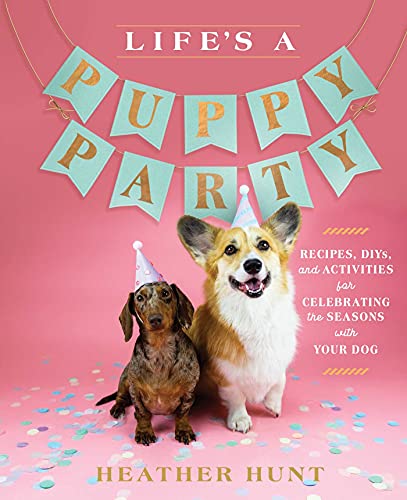
Life's a Puppy Party: Recipes, DIYs, and Activities for Celebrating the Seasons with Your Dog is a creative, hardcover lifestyle and feeding-accessory guide published by Simon Element. Structured around seasonal celebrations, this book provides dog owners with festive party concepts, dog-friendly treat recipes, craft projects, and enrichment activities. Rather than serving as a commercial dog food or clinical nutrition manual, it acts as an inspiring handbook for pet parents who enjoy marking holidays, birthdays, and everyday milestones alongside their four-legged family members.
From a feeding and nutritional standpoint, the recipes presented in this book represent supplemental treats and intermittent snacks rather than complete and balanced meal replacements. Commercial dog food formulas undergo strict formulation to satisfy AAFCO nutritional adequacy standards for growth or adult maintenance, whereas homemade party treats serve strictly as occasional rewards. Dog owners should introduce homemade treat items gradually and keep supplemental snacks within a reasonable portion of a dog's daily caloric intake, taking into account any individual ingredient sensitivities, intolerances, or health considerations.
In terms of practical build quality, the book comes bound in a sturdy hardcover format measuring 7.375 inches wide, 0.6 inches thick, and 9.125 inches tall, with a total weight of approximately 1.38 pounds. The substantial binding and quality paper stock make it convenient to prop open on a kitchen counter while baking homemade dog biscuits or assembling pet-safe celebration platters. The physical presentation also makes it visually appealing on a living room shelf or coffee table between celebration planning sessions.
Using this book fits naturally into a home kitchen routine for pet parents who appreciate knowing exactly which human-grade grocery ingredients go into their dog's special snacks. Making homemade treats from seasonal recipes allows caregivers to customize components around their pet's preferences, whether preparing frozen summer snacks or baked holiday biscuits. Because these snacks do not contain artificial commercial stabilizers, pet owners must practice standard food safety, such as refrigerating or freezing perishable homemade batches and monitoring storage conditions.
There are practical boundaries to keep in mind before purchasing. This book is not intended for pet owners looking for complete raw diets, medical nutrition protocols, or prescription feeding formulations for diagnosed illnesses. Preparing recipes from scratch requires time, basic baking tools, and grocery shopping. Additionally, while the ideas encourage festive celebrations, owners should always supervise dogs around new foods, craft materials, and party accessories to maintain safe feeding and play environments.
For dog lovers who enjoy hands-on baking, milestone celebrations, and canine enrichment, Life's a Puppy Party serves as a delightful and practical addition to the home library. It offers reliable creative inspiration for birthdays, holidays, and seasonal family gatherings, making it an excellent gift for devoted pet parents who love treating their dogs to special homemade moments.
Format: Hardcover
Publisher: S&S / Simon Element
Dimensions: 7.375 x 0.6 x 9.125 inches
Product Weight: Approximately 1.38 pounds
Subject Matter: Dog treat recipes, DIY crafts, seasonal activities, and pet celebration planning
Intended Use: Intermittent and supplemental treat preparation, canine enrichment, and family bonding

Navigating Canine Nutrition and Daily Feeding Decisions
Selecting the ideal daily meal plan for your canine companion centers on matching biological requirements with practical household routines. Every dog operates with unique metabolic demands governed by age, daily movement, breed size, and underlying digestive sensitivities. Rather than searching for a universal formula that claims to suit every pet, pet parents achieve the best outcomes by evaluating nutritional adequacy, ingredient integrity, and life-stage suitability. Taking a methodical approach transforms mealtime from a confusing guessing game into a stable foundation for long-term health.
Assessing Life Stage and Energy Requirements
A dog’s nutritional requirements shift dramatically as the animal progresses from early puppyhood through adulthood and into the senior years. Growing puppies require higher concentrations of dietary protein, essential fatty acids, and balanced minerals like calcium and phosphorus to support rapid bone and tissue development. Adult dogs, by contrast, focus primarily on physical maintenance and steady energy preservation without promoting excess weight gain. Senior canines frequently benefit from tailored calorie densities and easily digestible proteins to accommodate slowing metabolic rates and reduced daily exercise.
Determining appropriate caloric intake involves measuring your dog’s current body condition score rather than relying strictly on scale weight. Active working breeds and sporting dogs burn substantially more energy than couch-dwelling companion breeds living in quiet apartments. Feeding amounts printed on commercial packaging provide broad baseline estimates, but individual metabolism dictates whether those portions need slight upward or downward adjustments. Consulting with a veterinary professional allows you to monitor body condition changes and calibrate portions accurately over time.
Understanding Food Formats and Serving Flexibility
Pet owners today can choose among various food presentations, including standard dry kibble, canned wet meals, gently cooked stews, and specialized baked formulations. Traditional dry kibble remains popular due to shelf stability, straightforward portion control, and convenient room-temperature storage. However, some dogs exhibit reluctance toward dry, hard textures or struggle to maintain proper daily hydration on kibble alone. In such instances, versatile recipes that adapt to different moisture preferences provide substantial practical advantages for picky eaters.
Options such as I and Love and You Baked and Saucy Dry Dog Food demonstrate how modern kibble designs solve texture boredom through dual-serving mechanics. This oven-baked recipe features beef as its first ingredient and delivers a robust twenty-eight percent crude protein profile to maintain lean muscle mass. Pet owners can serve the crunchy baked nuggets dry for a classic meal, or simply add warm water to create an instant savory bone broth gravy. That dual-serving format provides valuable moisture support while stimulating finicky appetites without requiring separate canned toppers.
Wet canned diets provide high moisture content that naturally supports urinary health and renal hydration, particularly in dogs prone to drinking minimal water. Combining wet and dry foods allows pet owners to balance the budget-friendly economy of dry kibble with the enticing aroma and hydration of canned recipes. Regardless of whether you feed dry, wet, or a combination, verifying that the label indicates complete and balanced nutrition for your dog’s specific life stage remains critical. Supplemental foods, gravies, and meal enhancers should never displace the balanced primary diet without careful calorie accounting.
Deciphering Ingredient Lists and Guaranteed Analysis
Reading a pet food label requires understanding that ingredients appear in descending order by weight prior to cooking and processing. Named animal proteins, such as deboned beef, chicken, or lamb, provide biologically available amino acids necessary for tissue repair and enzyme production. While whole meats contain significant water weight that cooks down during manufacturing, their presence at the top of the list highlights a commitment to animal-based protein sources. Inspecting the guaranteed analysis panel verifies the minimum percentages of crude protein and crude fat alongside maximum fiber and moisture limits.
The debate surrounding grain-free versus grain-inclusive diets often distracts from overall nutritional balance and individual digestive tolerance. Grain-free recipes eliminate corn, wheat, soy, and oats, frequently substituting sweet potatoes, peas, or lentils to supply necessary dietary carbohydrates and fiber. For dogs with documented grain sensitivities, recipes utilizing non-GMO produce and real animal proteins offer gentle, digestible alternatives. Conversely, many dogs thrive on wholesome grains like brown rice and oatmeal, proving that the best choice depends entirely on your pet’s individual tolerance.
Pet parents should remain mindful of marketing buzzwords that lack formal regulatory definitions under pet food labeling standards. Terms like human-grade or premium sound appealing, but they do not automatically guarantee superior nutritional quality or biological digestibility. True quality emerges from consistent manufacturing safety standards, rigorous testing protocols, and complete nutritional adequacy verified through established guidelines. Evaluating whole ingredient sources and balanced nutrient levels provides far greater insight into a food’s value than colorful packaging claims.
The Role of Prebiotics, Probiotics, and Digestive Health
A healthy gastrointestinal tract serves as the cornerstone of canine immune defense and efficient nutrient absorption. Incorporating prebiotic fibers feeds beneficial intestinal microorganisms, while viable probiotics introduce live beneficial bacteria directly into the gut environment. Formulations that include these biotics assist in stabilizing stool consistency and reducing common digestive disturbances like gas and mild loose stools. When gut flora remains balanced, dogs extract optimal nutrition from their daily rations with less physical discomfort.

Digestive sensitivity frequently manifests through persistent flatulence, inconsistent stool quality, skin irritation, or sudden meal rejection. While mild symptoms may improve through gentle, easily digestible recipes featuring single animal proteins, chronic gastrointestinal issues require veterinary evaluation. Bacterial overgrowth, pancreatic insufficiency, or true food allergies cannot be resolved through over-the-counter diet changes alone. Collaborating with your veterinarian ensures that underlying medical conditions receive targeted care rather than masking symptoms with frequent, haphazard food transitions.
Establishing Meal Routines and Behavioral Foundations
Nutrition extends beyond what sits inside the bowl to encompass how and when your dog receives daily nourishment. Free-feeding, or leaving dry food out all day, often encourages mindless grazing, obscures subtle appetite drops, and complicates house-training schedules. Scheduled mealtimes encourage healthy anticipation, reinforce regular elimination habits, and allow owners to notice immediately if a dog leaves food behind. Consistent feeding times also provide valuable opportunities to practice basic obedience cues and strengthen mutual trust between pet and owner.
Structured behavioral guidance, such as the training principles found in Puppy Zen: Eight Weeks To Train Your Pup, highlights the connection between meal routines and emotional impulse control. Using portions of a dog’s daily kibble during training sessions transforms ordinary feeding into rewarding mental enrichment. Teaching a young pup to wait calmly while a food bowl is placed on the floor helps curb pushy behaviors and prevents mealtime anxiety. Setting clear expectations around the food bowl establishes a calm household dynamic that supports long-term behavioral stability.
Exploring Nutritional Literature and Safe Home Enrichment
Deepening your understanding of canine biology allows you to make informed decisions throughout your companion’s lifetime. Educational references like What should I feed my Dog?:Dog Nutrition explore the foundational principles of canine physiology and macronutrient metabolism. Learning how dietary fats support cellular membranes and how dietary proteins maintain immune function demystifies complex label claims. Armed with solid nutritional knowledge, pet owners can distinguish evidence-based feeding practices from passing internet trends and unsubstantiated feeding fads.
Enriching your dog’s daily life with special treats and seasonal celebrations can be both enjoyable and nutritionally responsible. Guides such as Life’s a Puppy Party: Recipes, DIYs provide creative ideas for pet-friendly celebration snacks and DIY treats designed to mark special milestones. When preparing homemade snacks or meal toppers, pet parents must prioritize safety by verifying ingredient non-toxicity and avoiding dangerous additions like onions, grapes, or xylitol. Wholesome vegetable additions, such as feeding fresh green beans, offer low-calorie crunch and fiber without disrupting the caloric balance of complete meals.
Treats and supplemental snacks should never exceed ten percent of your dog’s total daily caloric intake to prevent nutritional imbalances. Excessive table scraps and rich bakery treats can rapidly lead to unwanted weight gain and upset delicate digestive tracts. Measuring daily treats alongside primary meals ensures your companion enjoys celebratory rewards without compromising vital nutrient ratios. Balancing playful culinary treats with a disciplined primary diet keeps your dog enthusiastic about food while protecting long-term health.
Implementing Safe Transition Protocols
Abrupt dietary changes represent one of the most common causes of acute canine vomiting and diarrhea. A dog’s digestive system relies on specialized enzymes and adapted bacterial colonies to break down specific protein and carbohydrate sources. When a brand-new food is introduced overnight, the sudden change in nutrient density can trigger significant gastrointestinal distress. Implementing a gradual transition over seven to ten days gives the digestive microbiome sufficient time to adapt comfortably to new ingredients.
A reliable transition protocol begins by mixing twenty-five percent of the new recipe with seventy-five percent of the current food for the first several days. If your dog tolerates this ratio without soft stools, adjust the mixture to equal parts new and old food for another two to three days. Next, advance to seventy-five percent new food and twenty-five percent old food before transitioning fully to the new diet. Should your companion develop loose stools at any stage, slow the transition and maintain the previous tolerated ratio until digestion normalizes.
Managing Specialized Dietary Needs and Functional Supplements
Certain dogs face unique physiological hurdles that standard commercial maintenance diets cannot address on their own. Aging canines, large breeds predisposed to joint wear, and dogs with chronic systemic concerns often require targeted nutritional interventions. In some cases, veterinary therapeutic diets formulated with precise mineral restrictions or hydrolyzed proteins become essential to manage diagnosed medical conditions. Pet owners should never attempt to self-diagnose complex conditions or switch to therapeutic foods without direct veterinary guidance and prescription oversight.
Functional wellness supplements can provide focused support alongside a balanced daily diet when recommended by a pet healthcare professional. For example, dogs experiencing urinary tract challenges or age-related incontinence may benefit from veterinarian-approved canine bladder support supplements to maintain normal muscle tone. Similarly, joint supplements containing glucosamine or omega-3 fatty acids often assist senior dogs in maintaining comfortable physical mobility. Integrating supportive supplements thoughtfully ensures that specific wellness needs are met without interfering with core dietary nutrition.
Formulating a Practical Long-Term Feeding Plan
Crafting a sustainable feeding plan ultimately requires balancing your dog’s physiological health with your household budget and lifestyle. A premium food provides minimal benefit if the cost causes financial strain that leads to frequent, disruptive brand switching. Focus on selecting a high-quality, reputable brand that you can reliably source and afford for the foreseeable future. Observe your dog’s physical response over several weeks, noting energy levels, coat shine, breath quality, and daily stool consistency as indicators of dietary compatibility.
Regular wellness checkups provide the objective accountability needed to fine-tune your feeding strategy as your companion ages. Your veterinarian can evaluate subtle shifts in body weight, assess muscle condition, and recommend portion adjustments before minor weight gain becomes a major health concern. Canine nutritional needs remain dynamic rather than static, evolving alongside changing activity levels, environmental temperatures, and natural life-stage milestones. Staying attentive to your dog’s individual vitality ensures your daily feeding choices continue supporting a vibrant, happy life together.


Write Your Review
No reviews yet. Be the first to share your experience!