
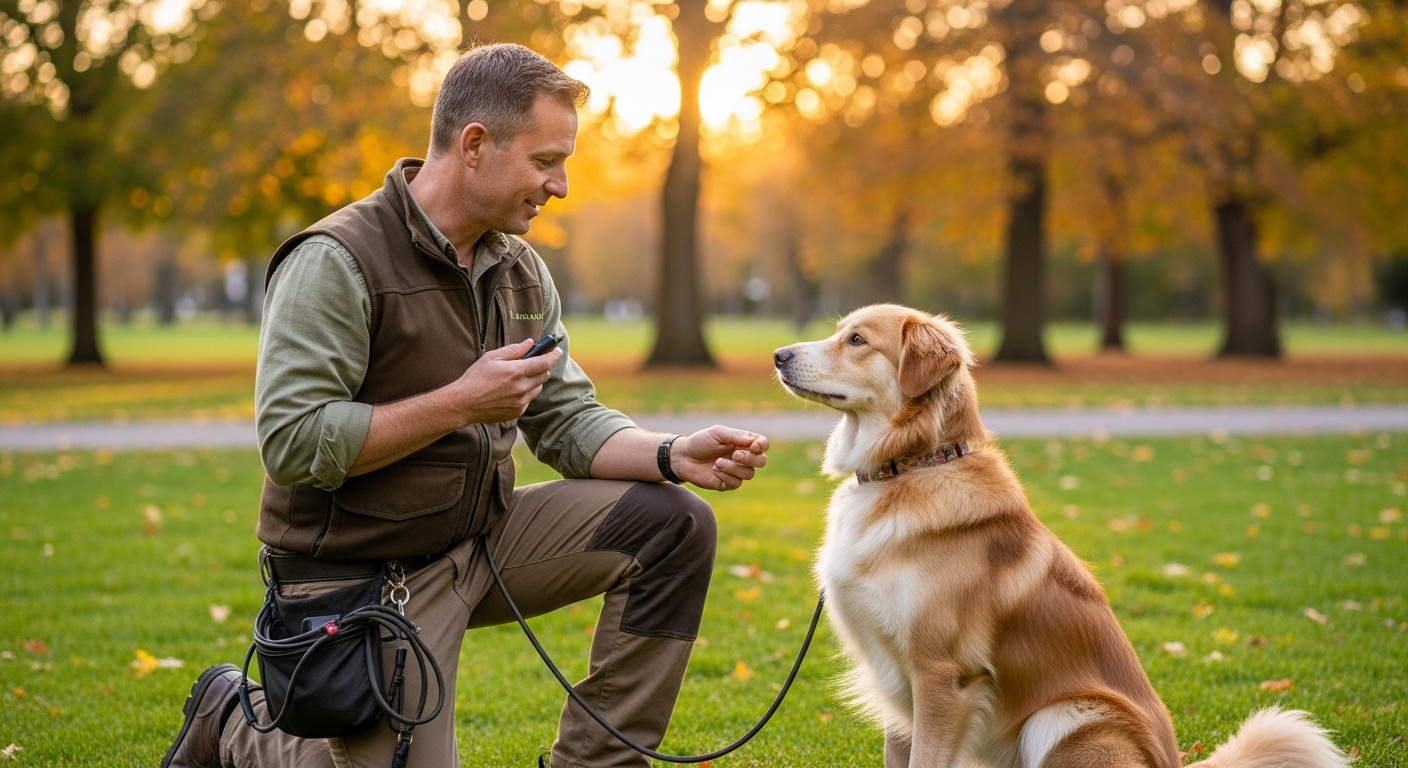

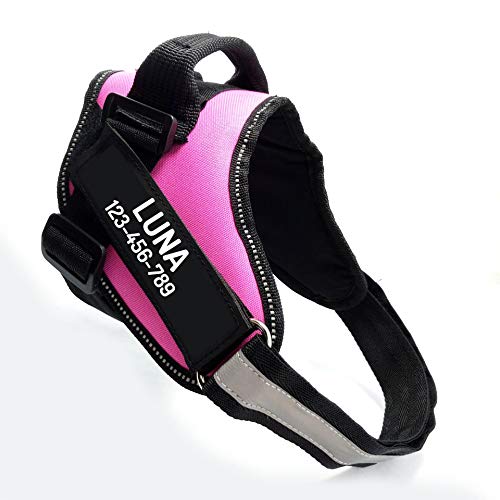
Walking a strong puller or an active puppy often leads to frustrating leash tension and slipping collars. Traditional neck bands concentrate force directly against sensitive airways, causing gagging when a dog lunges suddenly. Switching to best personalized dog harnesses solves this issue by distributing pressure across the chest while displaying readable contact details right on your pet’s body. Based on our detailed analysis of strap construction, hardware durability, and sizing charts, custom identification panels eliminate dangling metal tags that snag on bushes or rattle during hikes. Many dog owners also like pairing identification gear with smart tracking collars to maintain backup security without adding neck bulk.
Proper fit remains the foundation of reliable walking gear, especially since manufacturer dimensions vary widely between styles. Harnesses built with breathable air mesh padding and multiple adjustment sliders help prevent painful chafing along the ribcage. Fastening systems with side-release buckles ensure quick gear-ups, while reinforced front and back leash rings offer adaptable steering during daily walks. Selecting the best personalized dog harnesses for your routine means balancing durable nylon webbing, secure patch fasteners, and high-visibility reflective stitching to keep your dog comfortable and safe in low light.


Frequently Asked Questions About Dog Walking Gear
How should you measure your dog to find the correct best personalized dog harnesses size in 2026?
You should measure your dog’s chest girth at the widest point behind the front legs with a soft tape measure. Most models, including vests fitting girths from 17 to 42 inches, rely on chest dimensions rather than weight alone. Sizing charts differ across brands, so matching exact chest and neck dimensions prevents painful chafing or gear slippage.
Can a front leash attachment ring eliminate pulling behavior?
No, a front leash attachment does not eliminate pulling by itself, but it gently redirects forward momentum toward you. Harnesses equipped with a chest D-ring help pivot dogs sideways when they surge ahead. This mechanical leverage aids leash training, and many handlers pair directional gear with training dog whistles to reinforce distance cues.
Are personalized hook-and-loop patches better than direct fabric printing?
It depends on whether you value changeable labels or snag-free durability for rough outings. Hook-and-loop patches allow handlers to swap phone numbers, service badges, or working patches quickly. In contrast, direct high-definition printing provides permanent identification that will not snag in dense brush and withstands gentle machine washing.
How does a no-choke harness structure protect a dog’s neck?
A no-choke harness distributes leash tension across the chest bone and ribcage rather than concentrating pressure on the throat. Standard collars put direct force on the trachea during sudden stops, risking airway irritation. Padded chest panels cushion abrupt tugs, making daily walks safer for energetic pullers and dogs prone to respiratory sensitivity.
Will reflective harness stitching provide adequate visibility during night walks?
Yes, reflective stitching significantly improves low-light visibility, but it relies on external illumination from headlights or street lamps. Broad reflective strips bounce light back to oncoming drivers to highlight your dog’s silhouette. Because reflective materials do not emit light independently, pitch-black trails may still warrant a separate clip-on safety light.




Write Your Review
No reviews yet. Be the first to share your experience!