


A simple chicken meal can be cooked at home, but chicken alone is not a nutritionally complete diet for a dog. If you’re learning how to make chicken dog food, the key is to distinguish an occasional plain topping from a complete, balanced recipe designed for your dog’s life stage. A bowl of chicken and a few household ingredients may look wholesome, yet it can lack nutrients dogs need when fed as their regular food. That difference matters before you replace kibble or canned food.
Start with your goal: adding a small amount of plain chicken to an otherwise complete meal is different from preparing every meal at home. For a full-time homemade diet, use a recipe formulated for your dog’s needs and follow its ingredient amounts and preparation directions accurately. Avoid assuming that meat, rice, or vegetables automatically make a balanced meal. If your dog has a medical condition or a prescribed diet, discuss any change with the professional managing that care; our safe-food guidance for dogs also explains why an ingredient being edible does not settle every feeding question.
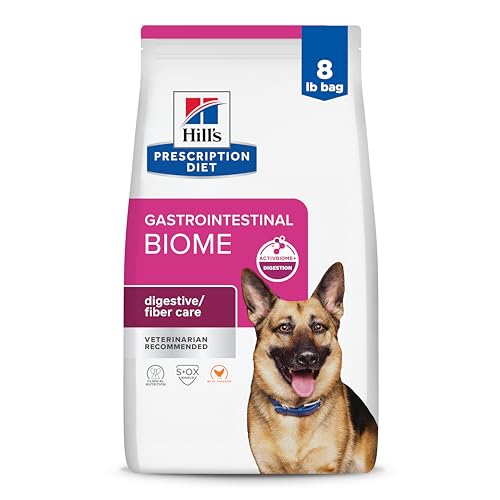
Pros
- Fast-acting fiber technology clinically shown to help firm loose stool within 24 hours
- Enriched with nourishing omega-3 fatty acids and wholesome prebiotic fibers
- Formulated by veterinarians specifically for digestive microbiome balance
- Appealing taste helps encourage dogs with low appetites during digestive flare-ups
Cons
- Requires a veterinary prescription or authorization prior to purchase
- Premium pricing compared to standard over-the-counter dog food brands
- Not suitable for growing puppies, pregnant dogs, or nursing mothers
Hill's Prescription Diet Gastrointestinal Biome Digestive/Fiber Care Dry Dog Food is a specialized therapeutic kibble formulated to address digestive sensitivities and irregular bowel habits in adult dogs. Canine stomach upset is a common challenge that can stem from food transitions, stress, or chronic microflora imbalances. This diet is engineered by animal nutritionists and veterinarians to target the root cause of loose stool by supporting a balanced and thriving gut microbiome.
This food is best suited for pet parents dealing with dogs that suffer from recurring diarrhea, inconsistent stool quality, or ongoing digestive discomfort under a veterinarian's care. It serves anxious dogs whose stress manifests in their digestive tract, rescue dogs recovering from poor shelter diets, and senior dogs needing gentle gastrointestinal support. Because it is a targeted therapeutic formula, it is intended specifically for canines with diagnosed digestive needs rather than as a general maintenance diet for healthy pups.
In terms of real-world performance, the core highlight is Hill's proprietary ActivBiome+ technology. Based on product specifications, this specialized fiber matrix rapidly activates beneficial gut bacteria to help firm loose stool in as little as 24 hours while reducing the chance of recurrence. For apartment dog owners and busy pet parents, firm stools mean easier backyard pickups, cleaner walks, and fewer emergency middle-of-the-night potty runs. The formula also incorporates rich levels of omega-3 fatty acids, specifically DHA and EPA, which support digestive comfort and overall systemic wellness.
Nutritional build quality is centered on wholesome ingredients paired with functional fiber sources, including ground pecan shells, flaxseed, dried beet pulp, and cranberries. These elements work synergistically to regulate bowel motility and feed good bacteria. The kibble pieces are sized conveniently for both small and large breed dogs, featuring a savory chicken flavor that entices dogs who might be reluctant to eat when feeling under the weather.
Daily feeding is straightforward, though pet owners should always introduce new therapeutic food gradually over a seven-day period unless directed otherwise by their veterinarian. The 8-pound bag is compact enough for apartment pantries and fits neatly into airtight food storage containers to protect kibble freshness. Keep in mind that this food requires veterinary approval, and its specialized therapeutic nature puts it at a higher price point than standard retail diets.
For owners seeking reliable relief from messy digestive flare-ups, Hill's Prescription Diet GI Biome offers proven, targeted gastrointestinal care. While it demands veterinary oversight and a higher budget, the fast stool-firming benefits and gut health support make it a trusted nutritional solution for sensitive stomachs.
The primary health benefit of Hill's Prescription Diet GI Biome centers on microbiome balance. By supplying a targeted blend of soluble and insoluble prebiotic fibers, the food nourishes beneficial microflora within the large intestine, transforming microbial balance quickly to resolve diarrhea and loose stools.
Beyond immediate stool firmness, the elevated levels of omega-3 fatty acids (EPA and DHA) help calm the gastrointestinal tract and support healthy tissue. This dual-action approach not only brings fast relief to an upset belly but also helps protect against chronic recurrence over time.

Pros
- Single-ingredient formula contains pure chicken breast without by-products or synthetic fillers
- Helps motivate stubborn eaters and senior dogs with reduced appetites to finish their meals
- Proudly sourced and produced in the USA following strict safety and quality standards
- Mess-free dry topper requires zero refrigeration, rehydration, or kitchen cleanup
Cons
- Compact 4-ounce pouch may deplete quickly in multi-dog or large breed households
- Intended solely as a supplemental meal mixer rather than a complete and balanced standalone diet
- Not suitable for dogs with diagnosed poultry or chicken sensitivities
American Paws Chicken Dog Food Topper is a single-ingredient meal mixer formulated to elevate standard canine diets with natural, savory flavor. Packaged in a convenient 4-ounce pouch, this topper consists entirely of chicken breast sourced and produced in the United States. Rather than relying on heavy gravies, starches, or artificial enhancers, it offers a straightforward protein boost that integrates seamlessly into daily feeding routines.
This topper serves a wide variety of dogs and households, but it is especially practical for pet parents dealing with notoriously picky eaters who leave their dry kibble untouched. Busy apartment dwellers and working owners will appreciate having a quick way to make breakfast exciting without dirtying extra bowls or utensils. It also fits well into homes caring for senior dogs experiencing diminished appetite, active sporting dogs needing supplemental lean protein, or puppies transitioning to solid food who need an enticing aroma to finish their bowl.
When evaluating consumable dog products, ingredient transparency is critical. American Paws uses locally raised American poultry, free from corn, wheat, soy, artificial colorings, and chemical preservatives. Because chicken breast is naturally lean and easily digestible, this single-protein formula reduces the risk of gastrointestinal upset that can accompany complex, multi-ingredient liquid toppers. For dogs with sensitive stomachs, sticking to an identifiable, single-source protein simplifies dietary management.
Implementing this topper into a daily feeding routine is remarkably simple. A light sprinkle over dry kibble, raw rations, or canned food immediately releases a natural poultry scent that activates your dog's appetite. There is no refrigeration required before opening, no greasy residue left on measuring spoons, and no need to soak or microwave anything. Pet owners can store the resealable pouch easily in a pantry or travel bag, making it equally handy for road trips, boarding, or camping excursions.
While this topper excels at flavor enhancement, pet parents should keep realistic usage boundaries in mind. The 4-ounce bag provides plenty of servings for small to medium breeds, but multi-dog households and large breed owners may find themselves replenishing supplies fairly frequently. Additionally, this is designed as an intermittent nutritional supplement rather than a complete balanced diet, so it should accompany balanced kibble rather than replace it. Dogs with known poultry allergies will also need to look toward alternate protein sources.
American Paws Chicken Dog Food Topper represents a wholesome, practical solution for common feeding hurdles. It delivers genuine nutritional value through pure animal protein while turning mundane meals into an engaging, enjoyable experience. For pet owners seeking a clean, USA-made incentive to keep their dogs enthusiastic about their daily bowl without complicating cleanup, this topper is a dependable, high-quality choice.
Lean chicken breast provides an exceptional source of bioavailable animal protein, delivering essential amino acids that help maintain lean muscle mass, support tissue repair, and promote sustained energy levels throughout the day.
Because this topper contains zero binders, artificial preservatives, or grain fillers, it offers a clean nutritional profile that is gentle on sensitive canine digestive systems. Pet parents can boost the nutrient density of routine meals without adding unnecessary carbohydrates or empty calories.
Young puppies experiencing growth spurts require nutrient-dense meals to fuel their development, and adding a flavorful chicken topper can help ensure they eagerly consume their required daily calories during crate training and house routines.
For senior dogs experiencing a natural decline in smell, taste, or dental comfort, the concentrated natural aroma of real chicken breast acts as an effective appetite stimulant that encourages consistent hydration and meal completion without requiring tough chewing.
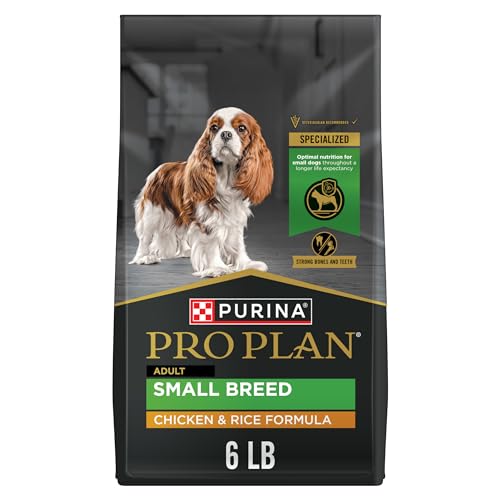

Pros
- Real USA farm-raised chicken is the first ingredient in a moisture-rich gravy.
- Includes dietary fiber and prebiotics to support digestive tract regularity.
- Pre-portioned 3-ounce tear pouches make serving over kibble clean and simple.
- Free from corn, wheat, soy, rice, and oats for grain-avoiding households.
Cons
- Formulated as a meal enhancer and topper, not a complete and balanced standalone meal.
- Three-ounce pouches can be used up quickly in multi-dog or large-breed households.
- Grain-free design may not align with feeding routines requiring grain-inclusive ingredients.
I and love and you Top That Tummy Wet Dog Food Pouch is a supplemental meal enhancer formulated in a savory Chicken Recipe In Gravy. Designed primarily as a dog food topper, this product is aimed at owners seeking to add excitement, aroma, and moisture to dry kibble for picky eaters or dogs that benefit from added digestive support. Packed in convenient 3-ounce pouches in a 12-count box, it gives caregivers a simple way to elevate standard daily feeding routines without preparing homemade broths or separate stews.
The recipe highlights USA farm-raised chicken as its number-one ingredient, featuring succulent chunks suspended in a flavorful gravy. In addition to animal protein, the formula incorporates intentional dietary fiber and prebiotics to help feed beneficial gut bacteria and support regular stool consistency. The topper is formulated without grains, leaving out corn, wheat, rice, soy, and oats. Because no AAFCO complete-and-balanced adequacy claim is provided in the listing specifications, this recipe functions strictly as an intermittent or supplemental meal mixer rather than a sole nutrition source.
Wet food pouches provide a practical texture that easily folds into crunchy dry kibble. The moisture-heavy gravy acts as a hydration boost, which can be particularly advantageous for dogs that do not drink sufficient water throughout the day. The liquid broth coats dry kibble thoroughly, enticing dogs with rich aroma while making stiff pellets easier to chew and swallow. Packaged in slim 3-ounce tear-open pouches, the product requires no can openers or specialized feeding utensils.
Serving the topper is straightforward: tear open a pouch and squeeze the contents over your dog's regular measured meal. The pre-portioned 3-ounce size works well as a full topping for medium-to-large dogs or can be split across meals for small-breed dogs. Any unused portion from an opened pouch should be kept sealed and refrigerated promptly, following standard wet pet food handling practices. Because this is an addition to the primary diet, owners should monitor their dog's overall calorie intake and adjust baseline kibble portions accordingly to prevent unwanted weight gain.
While the recipe provides digestive-oriented ingredients like fiber and prebiotics, it is not a veterinary prescription diet and cannot treat or cure clinical gastrointestinal disorders. Dog owners should also keep in mind that grain-free formulations are an owner preference or specific dietary choice rather than an across-the-board requirement for every canine. Furthermore, households feeding multiple large dogs may find that twelve 3-ounce pouches disappear rapidly, making it more suited for selective enhancement than heavy daily volume.
For dog parents looking to entice finicky eaters, increase daily moisture intake, or introduce prebiotic fiber into a standard kibble routine, I and love and you Top That Tummy Chicken Recipe In Gravy offers a practical, mess-free solution. It provides dependable protein chunks in a flavorful sauce while avoiding common cereal grains, making it a reliable meal mixer for variety-seeking pet households.
The primary ingredient in this wet topper is USA farm-raised chicken, providing recognizable chunks of animal protein surrounded by a savory gravy. The recipe is intentionally grain-free and filler-free, omitting corn, wheat, rice, soy, and oats.
To support digestive health, the formula incorporates dietary fiber and prebiotics intended to nourish healthy gut bacteria and support regular digestion. It is formulated as a supplemental meal enhancer rather than a complete and balanced standalone diet.
This wet food pouch is designed to be served directly over your dog's regular dry kibble or wet food as a flavor enhancer. The gravy delivers extra moisture, offering a beneficial hydration boost for dogs that do not drink enough water from their bowls.
Because it adds supplemental calories to your dog's daily intake, kibble portions may need slight adjustment to maintain an optimal body weight. Always ensure fresh, clean drinking water is available alongside meals.

Pros
- Shelf-stable packaging frees up freezer space while offering fresh food quality
- Wholesome chicken and rice recipe is gentle on dogs prone to upset stomachs
- Easy-to-pour Tetra Pak container folds closed for clean refrigerator storage
- Free from artificial colors, chemical preservatives, and low-quality fillers
Cons
- Higher cost per ounce compared to standard canned dog foods or dry kibble
- Requires prompt refrigeration after opening and must be used within a few days
- Large breed dog owners feeding full meals will go through 12.5-ounce cartons rapidly
JustFoodForDogs Pantry Fresh Chicken and White Rice is a shelf-stable wet dog food designed to bring human-grade, whole-food nutrition to your pet's bowl without taking up freezer space. Formulated for adult dogs, this recipe features USDA-inspected chicken, long-grain white rice, and wholesome vegetables that are gently cooked to preserve essential micronutrients. Unlike traditional canned foods that often undergo harsh high-heat processing, this recipe maintains visible, recognizable ingredients that look and smell like home-cooked meals.
This wet food is especially well suited for dogs with finicky appetites, senior dogs needing tender texture, and pets prone to occasional digestive sensitivities. Apartment dwellers with compact kitchens and minimal freezer capacity will appreciate being able to store a six-pack right in the pantry. Outdoor adventure dog owners, campers, and frequent road-trippers also benefit from the portable Tetra Pak design, which allows dogs to enjoy fresh food on the road without the hassle of coolers, ice packs, or messy defrosting.
In everyday feeding scenarios, the food performs exceptionally well as both an appetite stimulant and a digestive aid. The familiar bland pairing of chicken and white rice is widely favored by dog owners managing mild tummy troubles, while the natural moisture content aids overall hydration. For multi-dog homes or budget-conscious pet parents, using this nutrient-dense wet food as an enticing topper over dry kibble provides a significant nutritional upgrade without the expense of an exclusively fresh diet.
The Tetra Pak carton construction stands out for practicality and cleanliness. Each 12.5-ounce carton is lightweight, easy to open without requiring a can opener, and features a fold-down top that tucks away neatly in the refrigerator after opening. The carton is fully recyclable and protects the whole ingredients from light and air, ensuring freshness for up to two years unopened without any artificial preservatives or chemical stabilizers.
While the benefits of fresh human-grade nutrition are clear, there are practical considerations regarding portion sizes. For large breed dogs weighing over fifty pounds, serving this recipe as a sole daily ration requires multiple cartons per day, which can become costly over time. However, as an alternating meal, a high-value training meal, or a regular kibble topper, it provides exceptional everyday value. Pet owners looking for cleaner ingredients and reliable convenience will find this recipe to be a dependable staple for their dog's pantry.
According to product specifications, this gently cooked recipe is up to forty percent more digestible than standard dry kibble, allowing your dog to absorb more essential nutrients from smaller volume portions. The combination of lean chicken and white rice provides a mild, low-irritant base that is gentle on sensitive gastrointestinal tracts.
Pet owners frequently notice visible improvements in daily wellness, including firmer stools, reduced gas, and healthier skin. The natural moisture content in each carton also supports urinary tract function and steady hydration, making it an excellent option for older dogs or dogs that rarely drink enough water from their bowls.
Unopened Tetra Pak cartons can be stored at room temperature in your pantry, closet, or travel pack for up to two years from manufacture. The innovative packaging locks out light and oxygen to keep the food fresh without requiring any synthetic preservatives or refrigeration before breaking the seal.
Once opened, fold the carton top securely and store it in the refrigerator, serving the remaining contents within three to five days. You can serve it cold straight from the fridge, or mix it with a splash of warm water to enhance the savory chicken aroma and entice hesitant eaters at mealtime.

Prepare chicken safely and keep the diet nutritionally complete
Cook plain chicken safely, but don’t treat a cooked-chicken recipe as a complete daily diet unless it has been formulated to provide the required nutrients in appropriate amounts. The central decision is whether chicken will be a modest addition to complete food or the main component of a planned homemade diet. Those uses have different nutritional requirements, and improvising ingredients cannot reliably close the gap. Keep the dog’s life stage and health needs in view throughout preparation.
Before cooking, identify the purpose of the meal, check every ingredient, and set up clean handling and storage. These checks help prevent avoidable contamination and make it less likely that a topper will gradually displace a balanced food. Use a properly formulated recipe for a complete diet rather than estimating proportions from a generic online suggestion. The following preparation points apply to plain chicken used as an addition, not as a substitute for a balanced recipe.
- Choose plain, unseasoned chicken and check the package for added flavorings or ingredients.
- Keep raw poultry and its juices separate from ready-to-eat food and clean surfaces.
- Cook chicken thoroughly using safe food-handling practices; do not serve it raw as a shortcut.
- Remove bones before serving, since cooked bones can splinter and create serious hazards.
- Let cooked food cool safely, then refrigerate or freeze portions promptly.
- Use a balanced, appropriately formulated recipe if homemade food will replace regular meals.
Decide whether chicken is a topper or the whole meal
A small amount of plain chicken mixed into a complete commercial food is a topper; it does not need to carry the nutritional burden of the entire diet. Even so, additions contribute calories and can affect the balance of a dog’s daily intake if they become a large share of the bowl. Measure the portion rather than adding an untracked amount, especially if your dog is on a weight-management plan. Keep the main food’s feeding directions and your dog’s overall condition in mind.
A homemade main diet is a different undertaking. Dogs need a range of nutrients, including vitamins, minerals, essential fats, and adequate energy, in suitable proportions; chicken supplies only part of that picture. A recipe that appears varied is not automatically complete, and adding a human multivitamin or a guessed supplement amount is not a safe substitute for formulation. Follow a recipe intended for the dog’s specific life stage and do not swap ingredients or supplements casually.
Commercial labels can help clarify the contrast between complete foods and additions. For example, the supplied product information describes one chicken topper as a food enhancer and another chicken wet food as usable as a complete meal or topper; these descriptions are product-specific, not rules for every chicken product. Check the actual package for its nutritional adequacy statement and feeding directions. A product called a topper should not be assumed to provide a complete diet.
Select and cook plain chicken without seasoning
Plain chicken is the simplest option when preparing a small addition, because sauces and seasonings can introduce ingredients that are unsuitable for dogs. Avoid onion and garlic, including powders, and skip salty rubs, marinades, butter, and cooking sauces. Check labels on packaged poultry rather than assuming it contains only meat; some products include added broth, salt, or flavorings. If you can’t identify an ingredient, leave it out rather than guessing.
Cook the chicken by a method that heats it thoroughly, such as boiling or baking without added seasoning. Do not rely on color alone to judge safety, and use a food thermometer according to established food-safety guidance for poultry. Keep raw poultry away from the dog’s bowl, other foods, utensils, and preparation surfaces. Wash hands and clean equipment after raw-meat contact, following safe handling directions.
Once cooked, remove skin if it makes the portion unnecessarily fatty, and remove every bone before serving. Cut the meat into pieces appropriate for the dog rather than offering a large chunk that may be difficult to chew or swallow. Let it cool to a safe serving temperature. Don’t add cooking liquid, drippings, or skin automatically; those extras change the meal and may not suit every dog.
Use rice or vegetables only when the recipe calls for them
Chicken is often paired with rice in home-prepared meals, but the familiar combination is not, by itself, proof of nutritional completeness. Rice adds energy and other ingredients may contribute fiber or texture, yet the mix can still be short of essential nutrients or provide them in unsuitable proportions. A temporary bland meal sometimes recommended for a particular situation is not automatically appropriate for long-term feeding. Ask the professional advising your dog how to handle a specific illness or digestive episode.
Vegetables also need careful selection and preparation. Some plain vegetables may be used in dog diets, but not every vegetable, seasoning, or preparation method is appropriate, and safe ingredients do not necessarily make a balanced recipe. Don’t add a long list of produce just to make the bowl look complete. Follow the recipe’s exact ingredient list, preparation instructions, and quantities when making a formulated homemade diet.
Ingredient substitutions can change calories and nutrient levels even when the replacement seems similar. Changing chicken cuts, removing an ingredient, replacing a supplement, or altering the amount of rice may affect the intended balance. Contact the recipe source or the professional guiding the diet before making a substitution. If the ingredients are unavailable, pause and confirm an appropriate alternative instead of improvising.
Follow a formulated recipe for a complete homemade diet
A recipe intended to serve as the dog’s main diet should specify more than a list of appealing ingredients. It needs clear amounts, preparation directions, and any required supplements for the stated life stage. Use the exact ingredient forms and measurements the recipe specifies, including supplements, because small changes can affect nutritional coverage. Avoid recipes that rely on broad claims such as “natural” or “balanced” without explaining the intended use.
Life stage matters because nutritional needs differ across growth and adult maintenance, and a recipe suitable for one stage may not suit another. Puppies, pregnant or nursing dogs, and dogs with health concerns need particular care rather than a one-size-fits-all homemade plan. A dog’s size or appetite alone does not establish that a recipe is appropriate. Confirm that the recipe is intended for the dog’s current stage and circumstances before using it as the daily diet.
Commercial foods provide another reference point: check whether the label says the product is complete and balanced for the relevant life stage or identifies it as a topper or supplemental food. AAFCO-related label statements concern nutritional adequacy for the stated use, but they do not mean that every food suits every individual dog. Read the full statement and follow the package directions. If the label’s meaning is unclear, ask the manufacturer or the professional advising your dog.
Portion chicken additions without displacing balanced food
There is no single chicken portion that fits every dog. Appropriate amounts depend on factors such as the dog’s size, activity, overall diet, and reason for adding food, and the supplied information does not establish an individual calorie target. Use the complete food’s feeding guide as a starting reference, not as a personalized prescription. If weight management is a concern, account for all extras rather than adding chicken on top of the existing ration without adjustment.
Keep a simple record of what goes into the bowl, including treats, toppers, and table scraps. That record can make it easier to notice when additions have grown from a small garnish into a substantial part of daily intake. It also helps explain a change in appetite or stool to the person advising your dog. Don’t sharply reduce balanced food to make room for an unformulated chicken mixture.
Use a consistent measuring method for portions, and make changes gradually unless you have been told otherwise for a specific reason. Sudden diet changes can upset digestion, so watch how the dog responds to any new ingredient or food format. If your dog has a history of food reactions, introduce changes only with appropriate guidance. Stop offering an ingredient that appears to cause a concerning reaction and seek advice.
Cool, store, and serve cooked chicken safely
Cooked chicken is perishable, so don’t leave it at room temperature for extended periods. Transfer portions to clean, covered containers and refrigerate or freeze them promptly, following food-safety recommendations. Keep raw poultry separate from cooked portions in the refrigerator, and avoid using a container or utensil that contacted raw meat without washing it. Discard food that has been left out too long or shows signs of spoilage.
Prepare manageable portions so you can thaw only what you intend to use. Thaw frozen food safely in the refrigerator or by another recognized food-safe method, not on the counter for prolonged periods. Don’t refreeze or retain food if you’re unsure how it was handled. When in doubt about storage time or spoilage, discard it rather than risking illness.
Serve the food at a comfortable temperature and check that it has cooled throughout, especially if it was reheated. Avoid microwaving in a way that leaves hot spots, and stir and check the portion before serving if reheating is necessary. Keep the dog away from the preparation area while raw poultry is being handled. Follow safe handling guidance for both human and pet food.
Introduce the new food and watch for changes
A dog accustomed to a different diet may need a gradual transition rather than an abrupt switch. Change the amount of the new food in measured steps, using the directions provided by the food maker or guidance from the person advising your dog. A sudden change can coincide with loose stool, vomiting, or reduced appetite, though those signs can have other causes. Don’t assume chicken is the explanation without considering the full situation.
Monitor appetite, stool, energy, and skin after introducing a new ingredient or recipe. Mild variation can have several explanations, but persistent or severe symptoms warrant prompt professional guidance, especially in puppies, older dogs, or dogs with existing health concerns. Don’t keep experimenting with ingredients when a dog is unwell. A food diary with dates and portions can help make the discussion more useful.
Chicken is a common protein, but that doesn’t make it appropriate for every dog or prove it will resolve a suspected food sensitivity. A limited-ingredient label or a single-protein claim also doesn’t establish that a food is suitable for a particular diagnostic plan. Avoid adding chicken during a prescribed elimination diet unless the person directing that plan approves it. Unplanned treats and toppers can interfere with the purpose of a controlled diet.
Keep the recipe distinct from commercial chicken foods
Commercial products that feature chicken differ in format and intended role, so their labels matter more than the ingredient name alone. The supplied product descriptions include dry kibble, wet food, a topper, and a product described as usable as a complete meal or topper. Those distinctions show why a chicken ingredient does not tell you whether the food is a complete diet. Verify the specific package’s intended use and adequacy statement.
A topper can be convenient for adding flavor, but it should remain an addition when its label identifies it as supplemental. A wet meal described as complete for a particular life stage has a different stated role, while a homemade chicken portion has no such adequacy statement unless it is part of a properly formulated recipe. Follow each product’s own directions rather than transferring instructions between formats. Our guide to food and stool considerations provides related context for monitoring a diet change.
Price, convenience, and ingredient preferences may influence a household’s decision, but none establishes nutritional adequacy. Compare the food’s stated life stage, complete-diet status, feeding directions, and storage requirements. For homemade food, include the time and safe handling needed to prepare and store it, along with the cost of every required ingredient and supplement. A simple recipe is not necessarily a simpler or more economical complete feeding plan.
Use a practical check before serving each batch
Before serving, confirm the meal is being used for the purpose you intended and that the portion matches the plan. These checks are especially useful when more than one person feeds the dog or when batches are stored in the freezer. Clear labels on containers can help distinguish plain topper portions from prepared complete meals. Never rely on appearance alone to identify a container’s contents or storage history.
Use this short review for a batch of plain chicken or a recipe-prepared meal.
- Confirm that the ingredients match the intended recipe and have no unapproved substitutions.
- Check that bones, seasonings, sauces, and unsafe add-ins have been excluded.
- Verify that the batch was cooked, cooled, and stored using safe handling practices.
- Measure the serving and account for it alongside the dog’s regular food and treats.
- Follow the recipe’s supplement directions exactly if it is a formulated complete diet.
- Watch for changes after feeding, and seek guidance for persistent or severe symptoms.
Make chicken as a small, safely prepared addition only when that matches your dog’s feeding plan; for a daily homemade diet, use a recipe formulated for the dog’s life stage and follow it without casual substitutions. If the diet is prescribed or your dog has health concerns, confirm the change with the person managing that care before serving it.




Write Your Review
No reviews yet. Be the first to share your experience!